

8 common foods you might actually be allergic to and not know it

PHOTO: Pixabay

Food allergies aren't fun. If you're lucky, you might just suffer from a bout of hives or a runny nose, but if you're not, they can lead to serious health complications such as breathlessness or even death.
The thing is, it's hard to tell if what you're experiencing is an allergic reaction to a certain food, and if you want an accurate diagnosis, you ought to go for a prick or blood test.
In the meantime, though, if you often suffer from seemingly random allergies, it might be worthwhile figuring out if they're linked to any of these eight common foods. Keep in mind that even if you don't consume them directly, they could be used in some of the dishes you indulge in.
A common misconception is that wheat allergy causes celiac disease, but it is actually an allergic reaction to a wheat protein.
The two conditions are very different: celiac disease is an autoimmune disease brought about from the consumption of gluten, and gluten is not usually typically in wheat allergy reactions.
Symptoms:
Yes, eat your greens but make sure to check if you’re allergic to celery-this vegetable that’s commonly used as a spice in an assortment of dishes can cause mild reactions in the oral cavity to serious reactions such as anaphylaxis (the symptoms of which include a rash, low pulse rate and shock).
Symptoms:
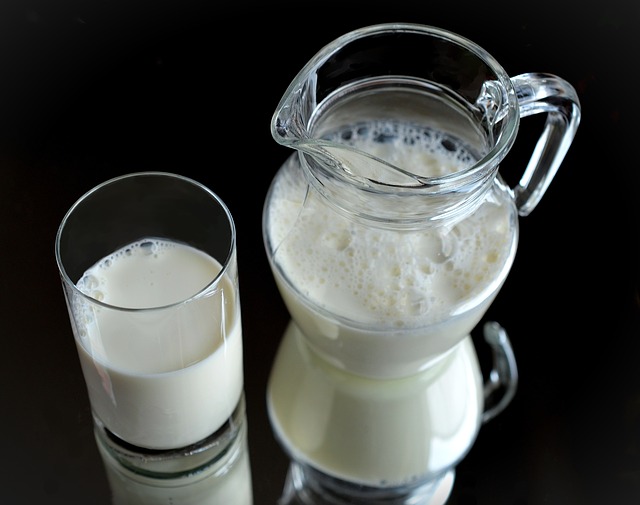
Lactose intolerance and milk allergy are two very different conditions. The former is caused by an enzyme deficiency, which makes you unable to digest proteins in milk. The latter, on the other hand, is caused by an over-reactive immune system towards dairy products.
Dr Chew advises avoiding dairy products and substituting it with soy or rice milk, even if you can tolerate dairy products after they've been extensively heated.
Immediate symptoms:
Delayed symptoms:
The most common form of food allergy, shellfish allergies can stem from two main kinds: molluscs and crustaceans. Regardless of which type you're allergic to, it's advisable to avoid shellfish altogether, according to Dr Chew.
Symptoms:
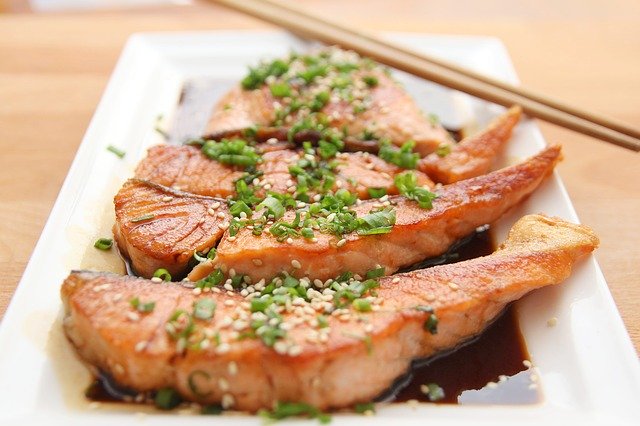
Just because you're allergic to shellfish, it doesn't mean you're allergic to fish - and vice versa. The two don't come from the same food families. Some of the more common types of fish that people are allergic to include salmon, halibut and tuna.
Symptoms:
If you're allergic to corn, don't just stay away from corn cobs and kernels - you're likely to be allergic to corn-derived products (including snacks) or even corn pollen too.
However, this allergy is difficult to pinpoint as its symptoms are similar to those triggered by grass pollen and other seeds and grain. The best way to find out if you're allergic to corn is to eliminate different types of food over a period of time.
Symptoms:

An egg allergy occurs when one's immune system becomes sensitised to the protein in egg whites or yolks. While you might have an allergy when you were younger, you might not have it now, as 70 per cent of children with this allergy outgrow it by 16.
Symptoms:
Once thought to be lifelong, recent research found that about 20 per cent of those with peanut allergy eventually outgrow it - but that doesn't mean you should take your chances and buy a pack of nuts to try.
Among those who suffer from peanut allergies, up to 40 per cent of them show a reaction to at least one tree nut.
Symptoms for peanut and tree nut allergies:
This article was first published in CLEO Singapore.