Crossovers are a sort of mixed breed between regular cars and SUVs. They generally offer a slightly raised ride height for easier cabin access, but are not too tall such that it makes entering and exiting awkward.
Crossovers also tend to have slightly more practical interiors over a standard hatchback or sedan, making them ideal for families who need the extra versatility to accommodate their daily activities, such as ferrying kids to and from school, or going on the supermarket run.
At the same time, many crossovers are based on regular cars, and hence inherit many of their characteristics, such as similar dimensions and easy manoeuvrability.
As a result, their drivability tends to mirror that of normal cars, making them less intimidating to handle in an urban environment.
When equipped with the right drivetrain, crossovers can also be much more fuel efficient than heavier full-fledged SUVs. For families looking for a practical and economical car that's easy to drive, the right crossover can be the perfect ride.
Nissan Qashqai 1.3T Prestige
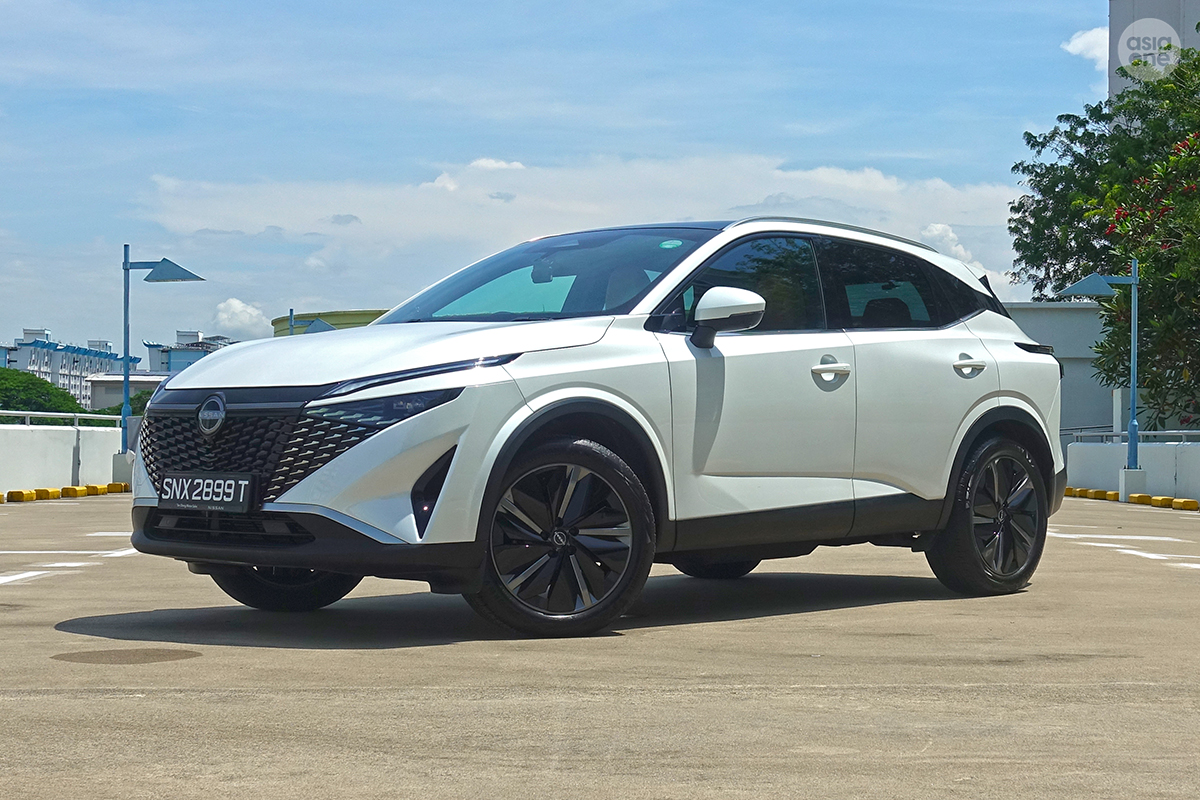
What is it? Nissan's once-popular Qashqai is now in its third generation, and the latest one has been given a mid-life facelift to keep up with the competition.
What's good about it? The second-generation Qashqai was one of Singapore's best-selling cars a decade ago, capturing the attention of the then-nascent crossover market with its practicality and affordability.
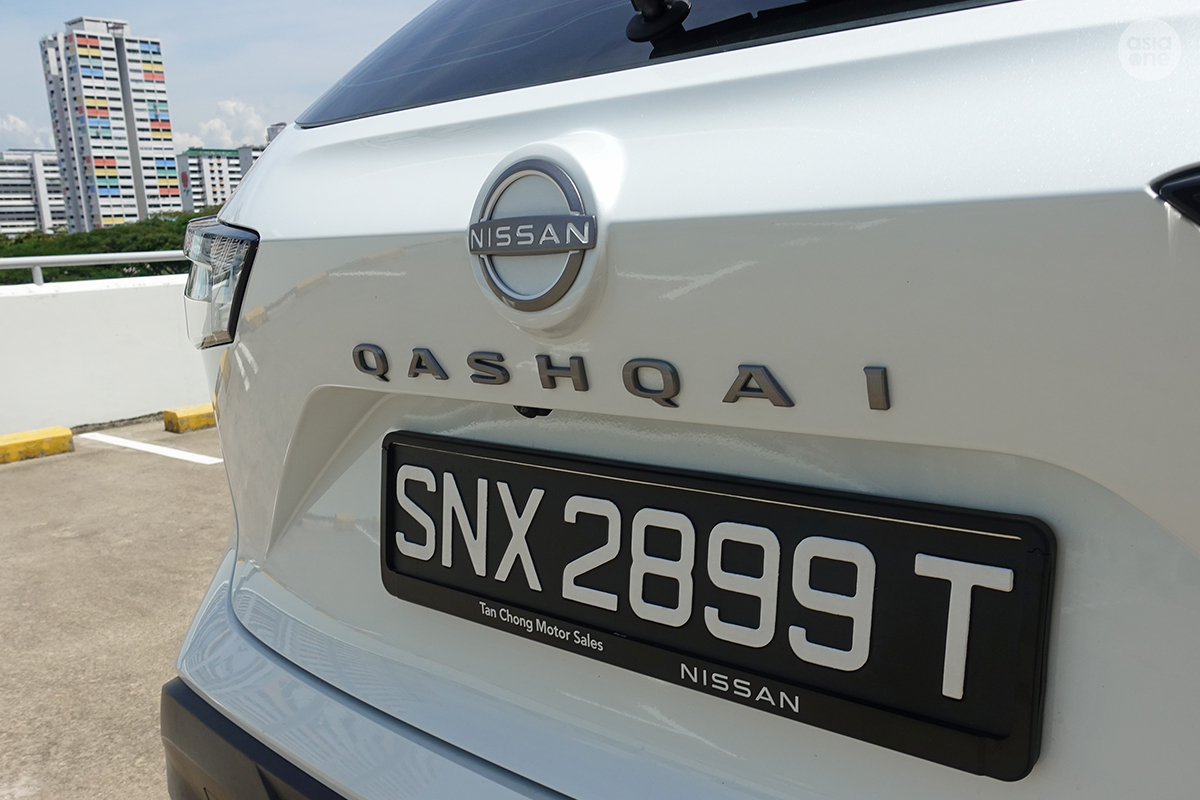
The crucial key to its success though was its frugal 1.2-litre turbo engine that developed 114hp, enabling it to slot comfortably into COE Category A. This proved to be a major advantage at a time when COE premiums were on a downward trend.
The third-generation Qashqai, which was introduced to Singapore in 2022, also features a small capacity 1.3-litre turbocharged engine, although its output of 156hp means that it no longer falls under the 130hp threshold required to qualify for a Cat A COE.
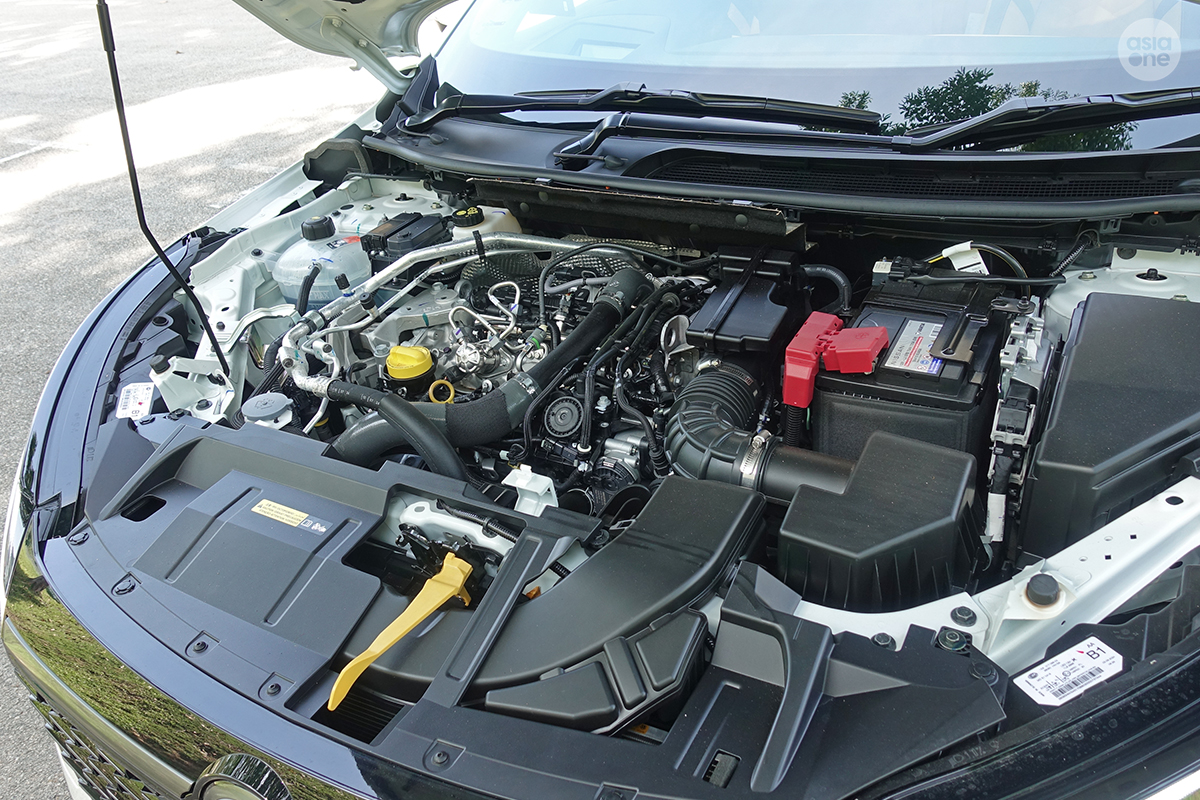
Despite that, it still remains as efficient as ever. Fuel efficiency is quoted at 6.2 litres per 100km, which is fairly decent for a car of its size and power output.
But more impressively, the engine's power delivery is extremely smooth, and the Qashqai feels like a much larger car to drive, with its excellent comfort and refinement levels.
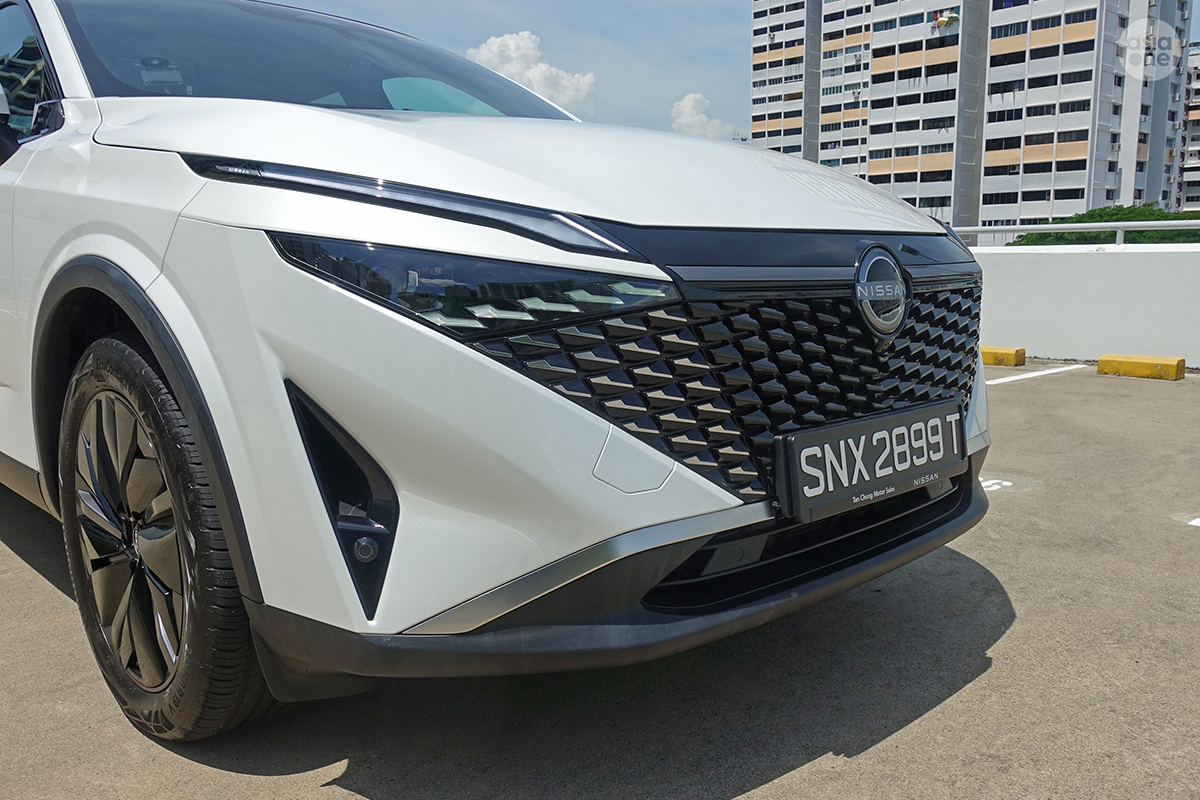
Nissan gave the car a facelift earlier this year, bringing with it a sharper design, notably up front with its more aggressive grille, that helps it stand out from the crowd.
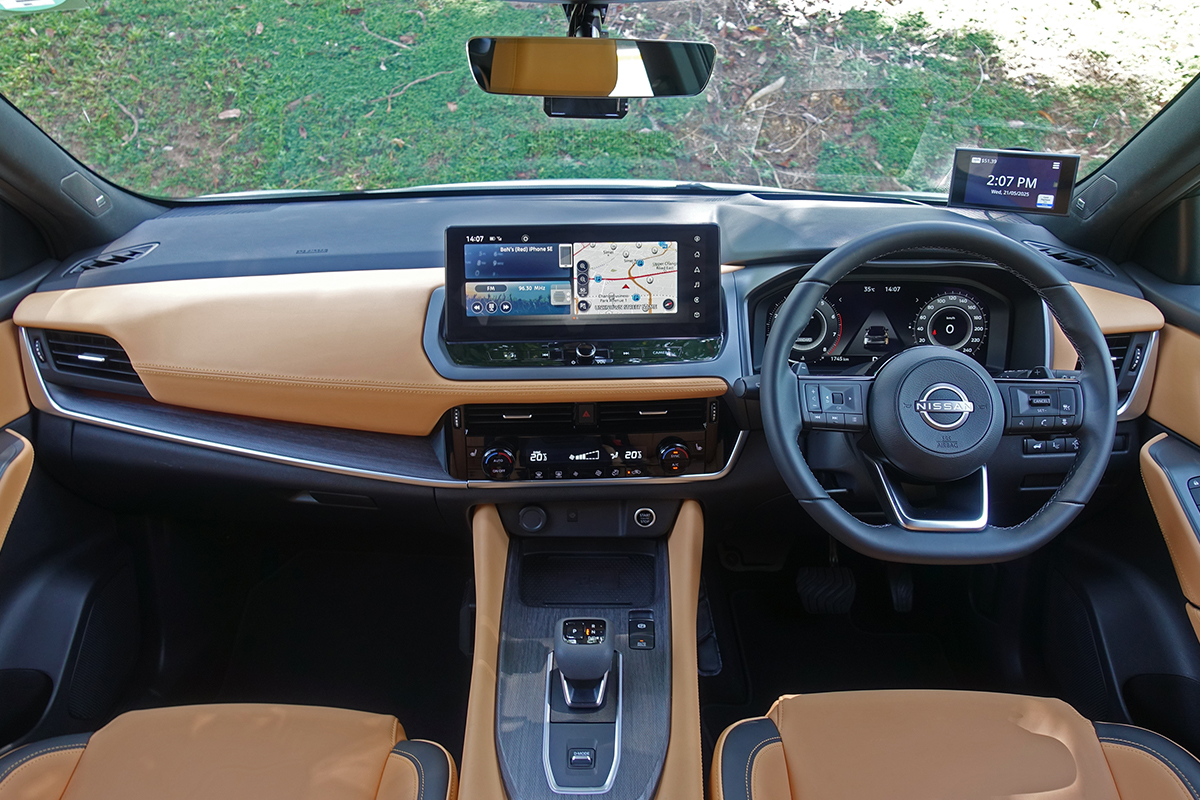
It has also taken the opportunity to push the Qashqai upmarket a bit, loading it with lots of high-quality materials and plenty of standard features that makes it almost feel like a luxury car.
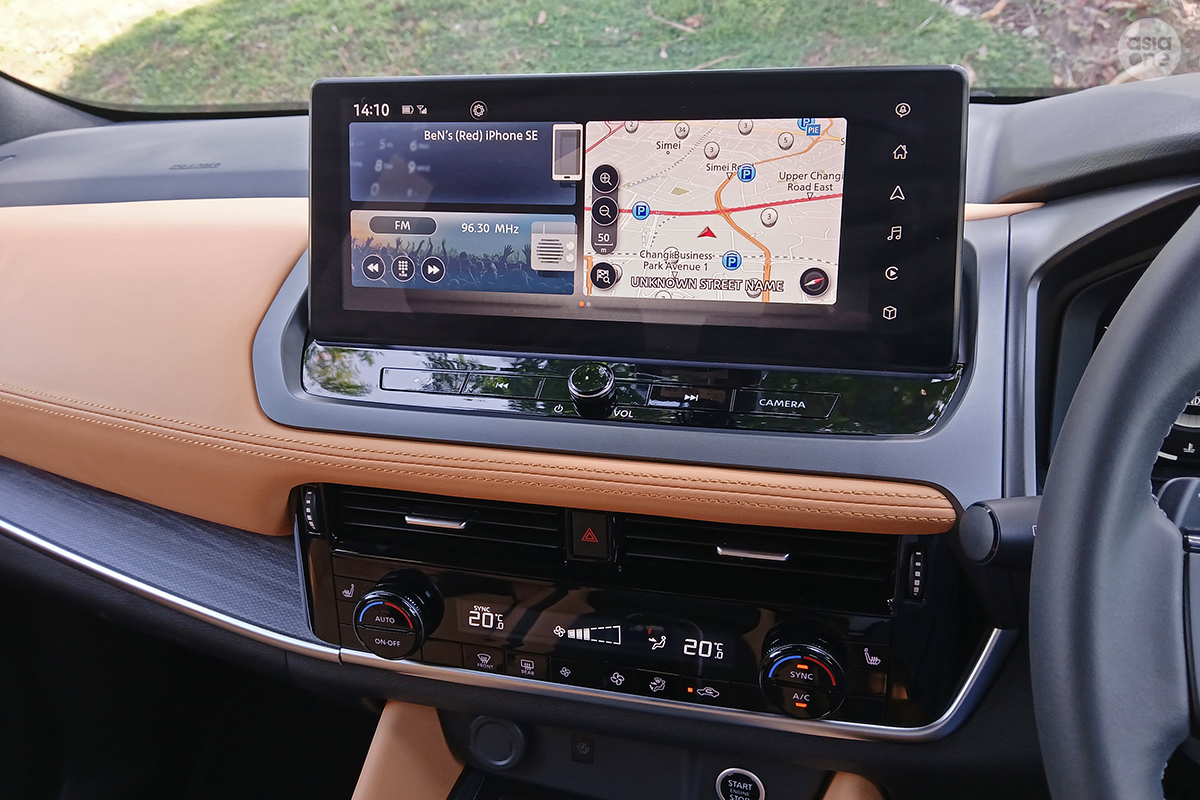
Some of the highlights on the Prestige trim tested here include the 12.3-inch infotainment touchscreen with wireless Apple CarPlay and Android Auto connectivity, a hands-free automatic tailgate that you can open by waving your foot, and advanced driver safety systems such as blind spot monitoring and lane keeping assistance.
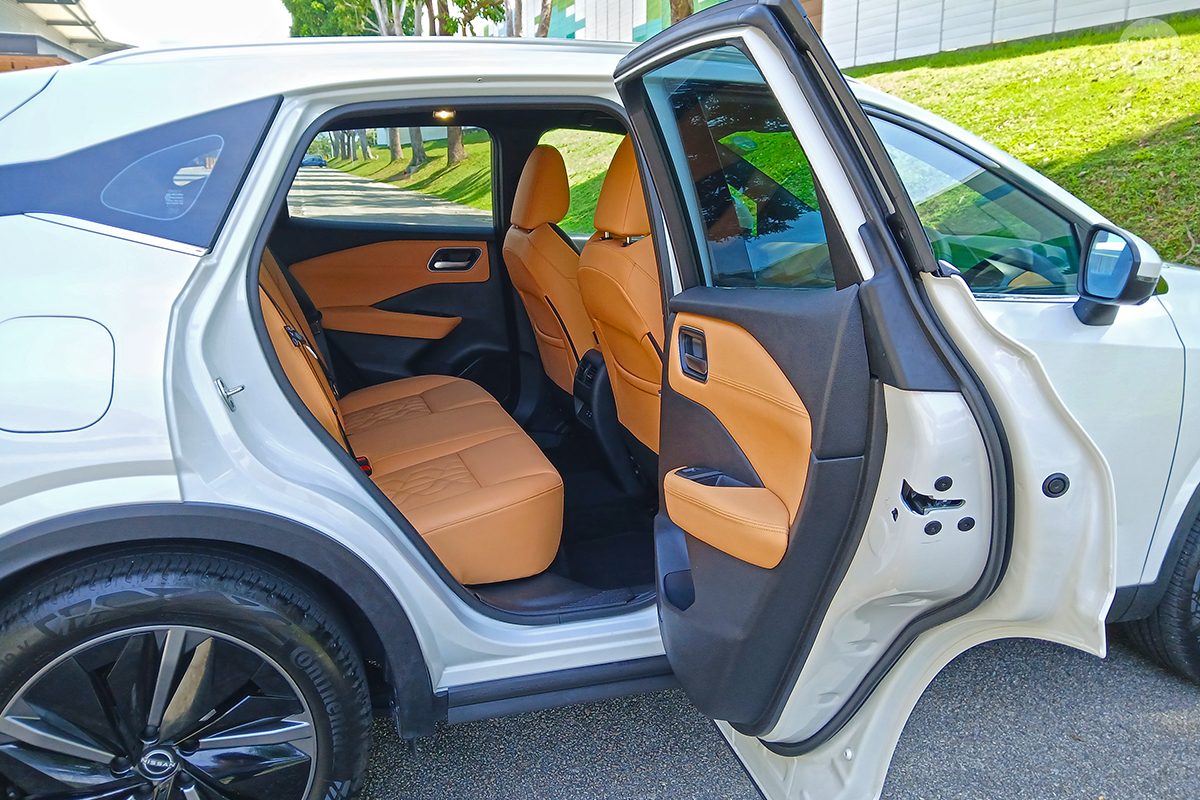
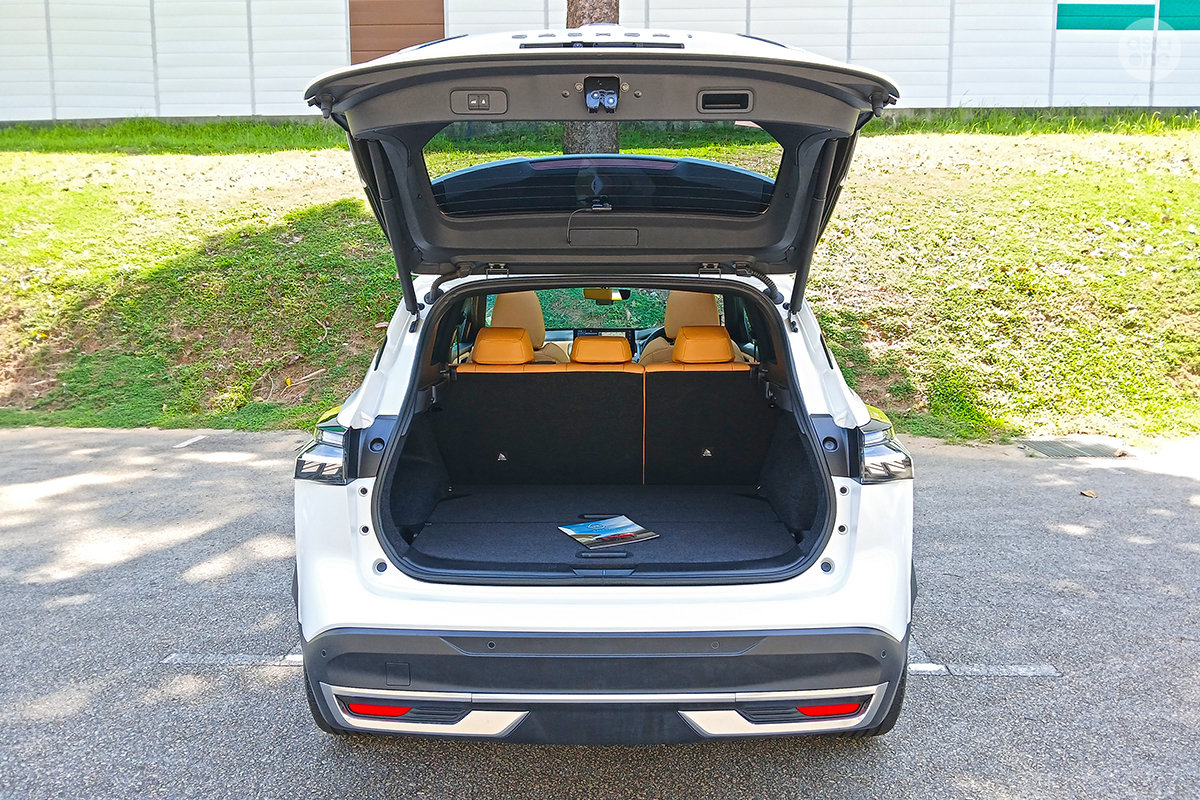
But it's the thoughtfulness of the design that makes the Qashqai such a family favourite. The Qashqai features wide opening rear doors that allow for easy access, plenty of rear legroom, and a generous boot capacity of 504 litres, which is probably enough to fit a baby stroller with room to spare.
What can be improved? Unfortunately, being pushed into COE Cat B means that the Qashqai comes with a rather high price tag. Given that Cat B premiums are now trading at well above $120,000, it's a bit of a shame that one has to fork out over $200,000 for this car.
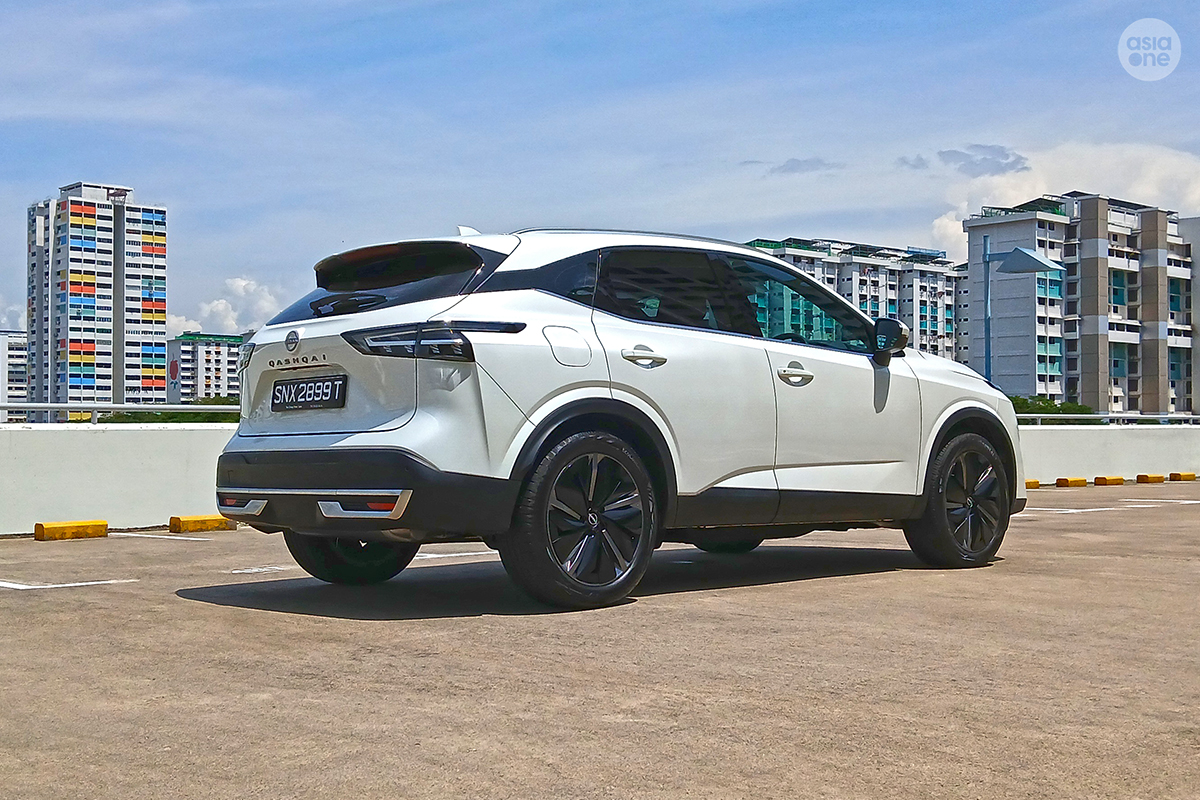
The base level Qashqai Premium is retailing for $211,800 with COE (as of September 2025), while the Prestige trim featured here, which comes with a whole host of extras like a panoramic glass roof, a premium Bose 10-speaker sound system and a head-up display, will cost you 10 grand more at $221,800 with COE.
Should I buy one? The Qashqai is an extremely competent car that feels just right for families. If it had a friendlier drivetrain that could fit around our COE restrictions, then there's no doubt that the Qashqai would be a much more competitive offering.
Hyundai Tucson N Line Hybrid
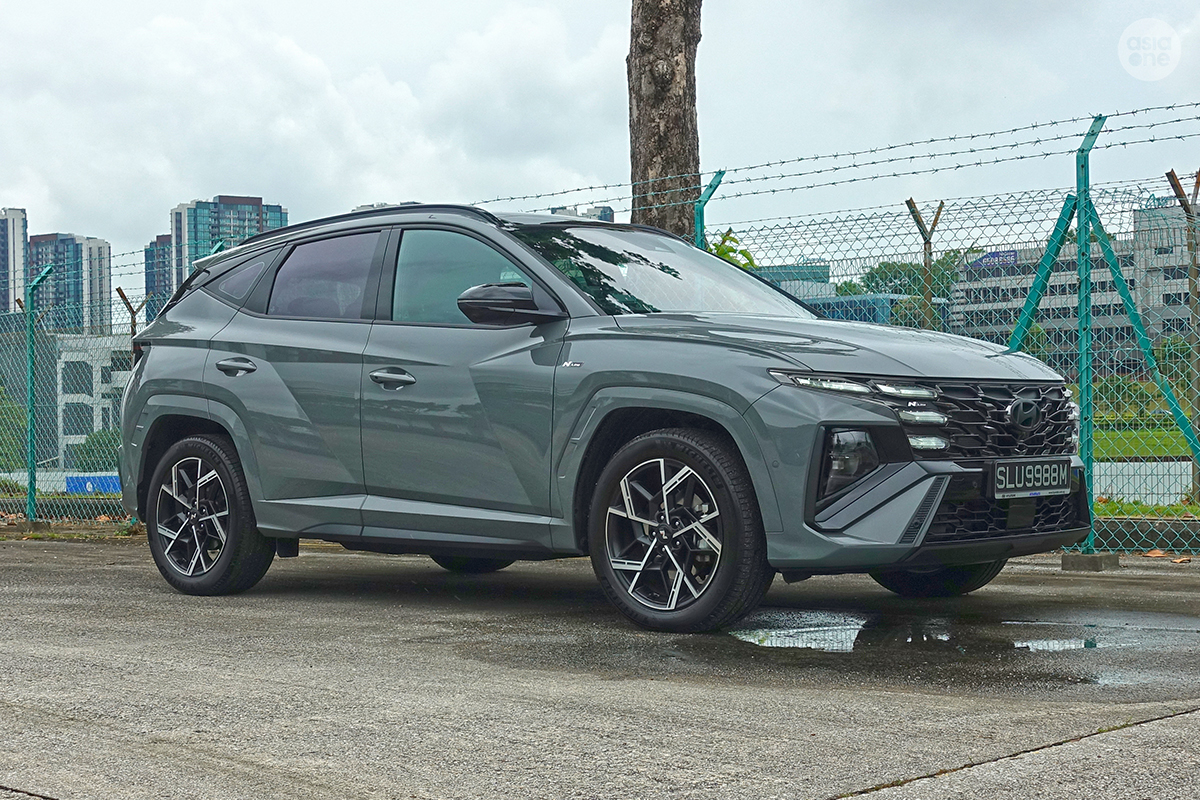
What is it? Hyundai's eye-catching Tucson crossover gets a mild update, as well as a sporty N Line body kit that amps up the aggression factor.
What's good about it? The current Hyundai Tucson became one of the most striking-looking crossovers on the market when it was first launched here in 2021.
Its sharp lines and distinctive grille and headlights looked like nothing else on the road, and certainly helped Hyundai establish a reputation as a bold and forward-looking carmaker.
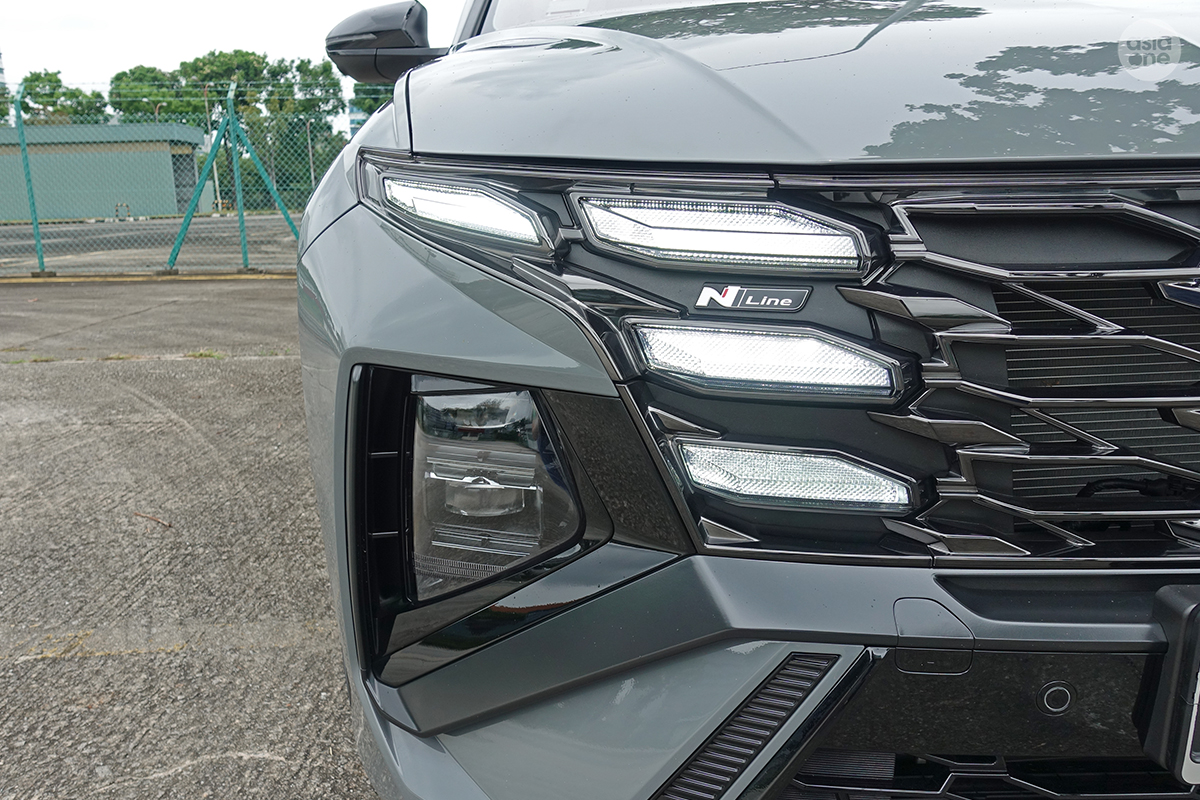
The car was fairly well-received by consumers, and it's no surprise that Hyundai has opted to leave much of the styling alone for the mid-life facelift. The grille and bumpers have been mildly refreshed, but otherwise it remains mostly untouched.

For Singapore this time round however, there is also now the option of having the Tucson with a sporty N Line kit, which adds extra bits like 19-inch wheels, twin exhaust tailpipe outlets, black trim everywhere, and lots of N Line badges.
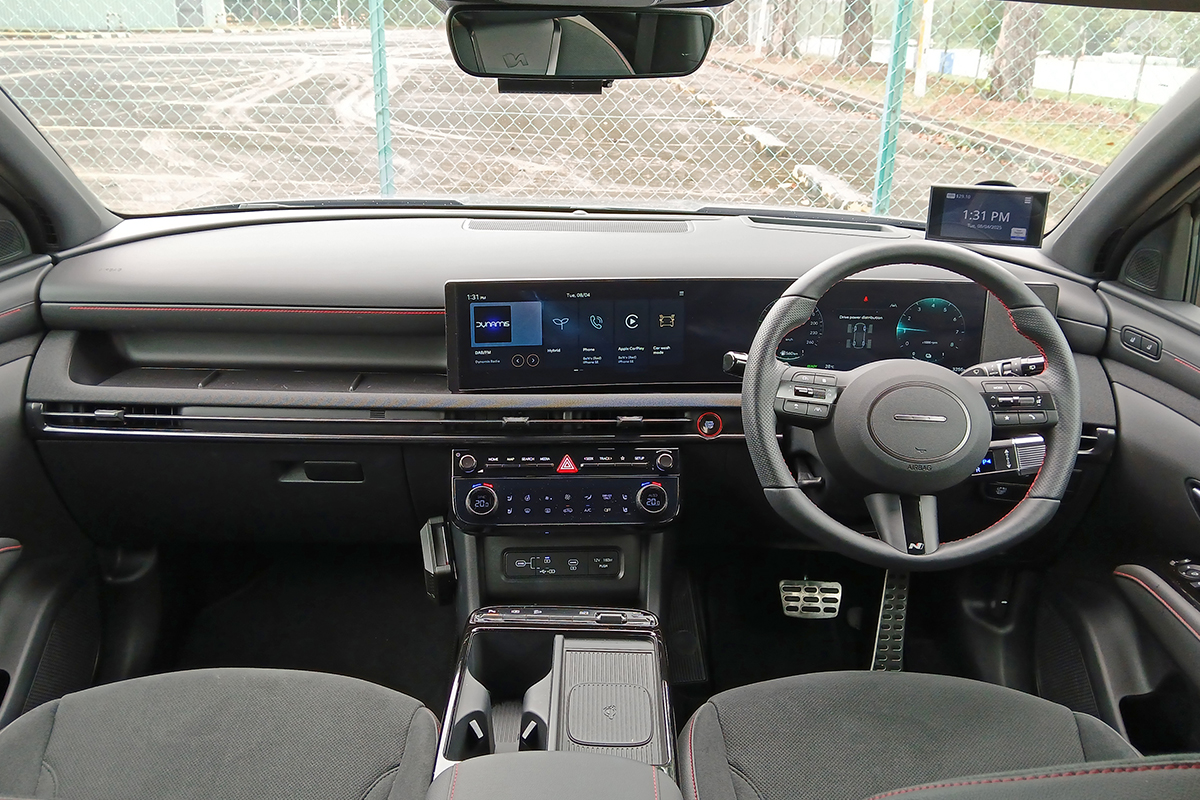
Most of the changes take place inside though, and the Tucson now features a completely revamped interior. The dashboard is similar to the ones found on recent new Hyundais like the larger Santa Fe SUV, and incorporates bits such as the curved dual-screen digital display and steering column-mounted gear selector.

The latter function helps free up space on the centre console, which now incorporates a wireless smartphone charger. There are also other handy features, such as what Hyundai calls a 'Sleep Mode', which can separate the audio between the front and the back seats, allowing kids sitting behind to sleep in peace and quiet.
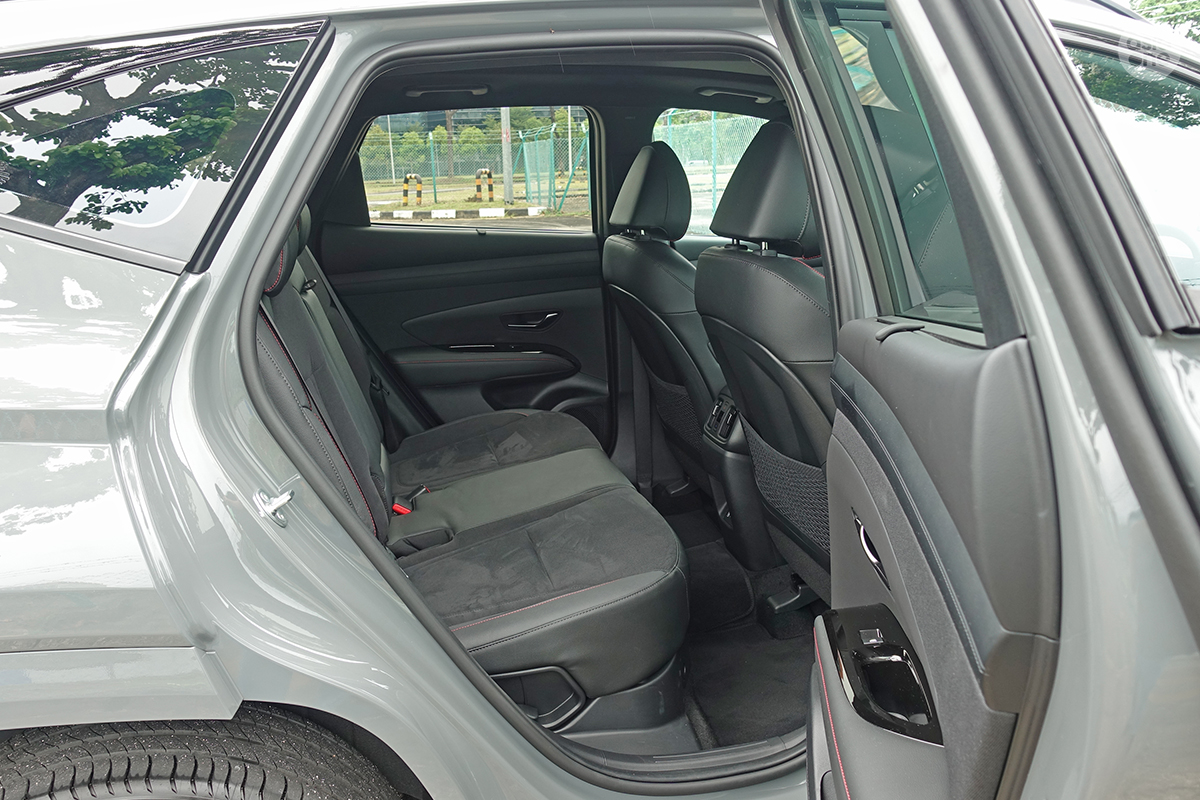
Just as well, because the rear seats are great places to be in. Overall space is decent, and occupants are treated to niceties like triple-zone climate control and integrated blinds for the windows.

Further back, the boot offers an extremely generous 620 litres of capacity, and the rear seats can be folded down at a push of a button in a 40/20/40 split arrangement for added versatility. When thus folded, boot space goes up to an immense 1,799 litres, enough to cart home a full-sized bicycle if you need.

Power comes from a 1.6-litre hybrid drivetrain that produces 212hp, which is slightly down from the pre-facelift model's output of 227hp. Torque has been increased to 367Nm, up from 265Nm previously, and that means the Tucson offers plenty of pulling power for acceleration, allowing it to build up speed briskly and effectively when you push the right pedal down.
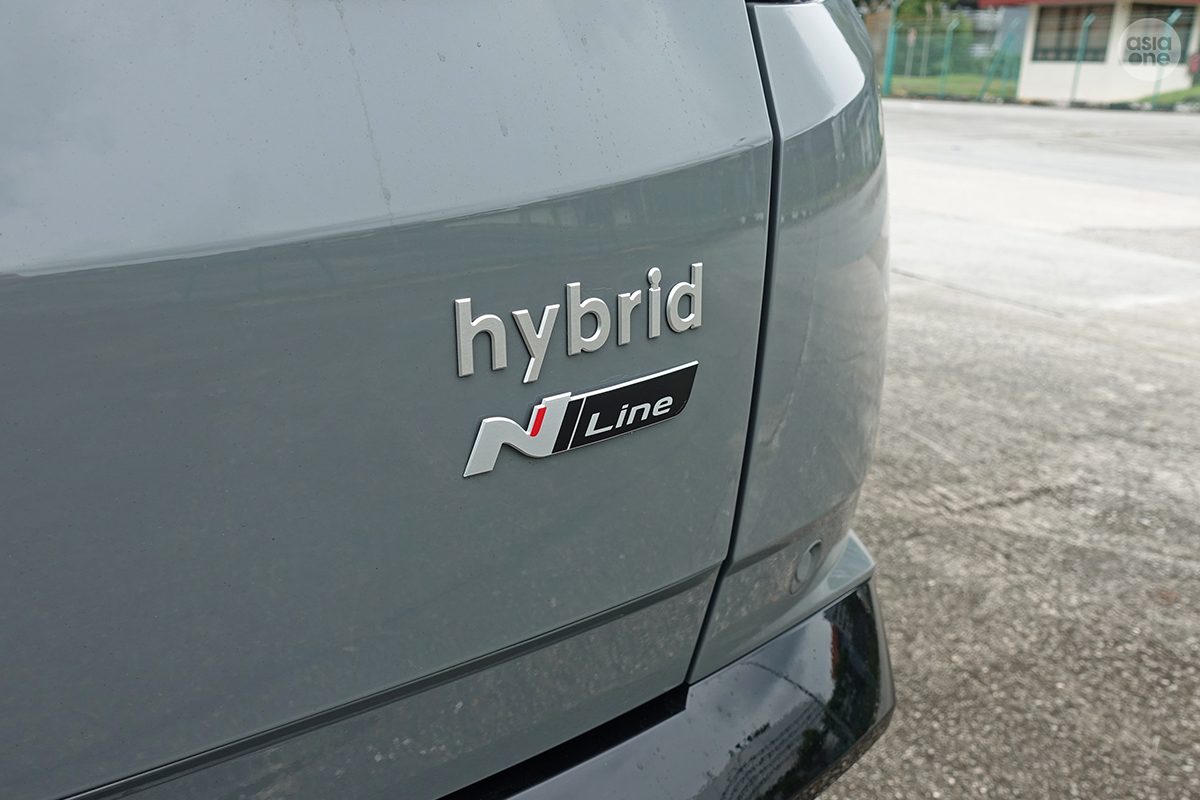
Being a hybrid means that it also delivers excellent fuel economy, with the Tucson offering a claimed average consumption figure of 6.6 litres per 100km. This is despite the added weight of the all-wheel-drive (AWD) system, which is now standard on the facelifted model.
What can be improved? In truth, the AWD system feels a bit superfluous for Singapore. While it undoubtedly does help with traction and handling, most drivers here are unlikely to put it to good use, and it just adds that little bit of weight and complexity to what is otherwise a mainstream family car.
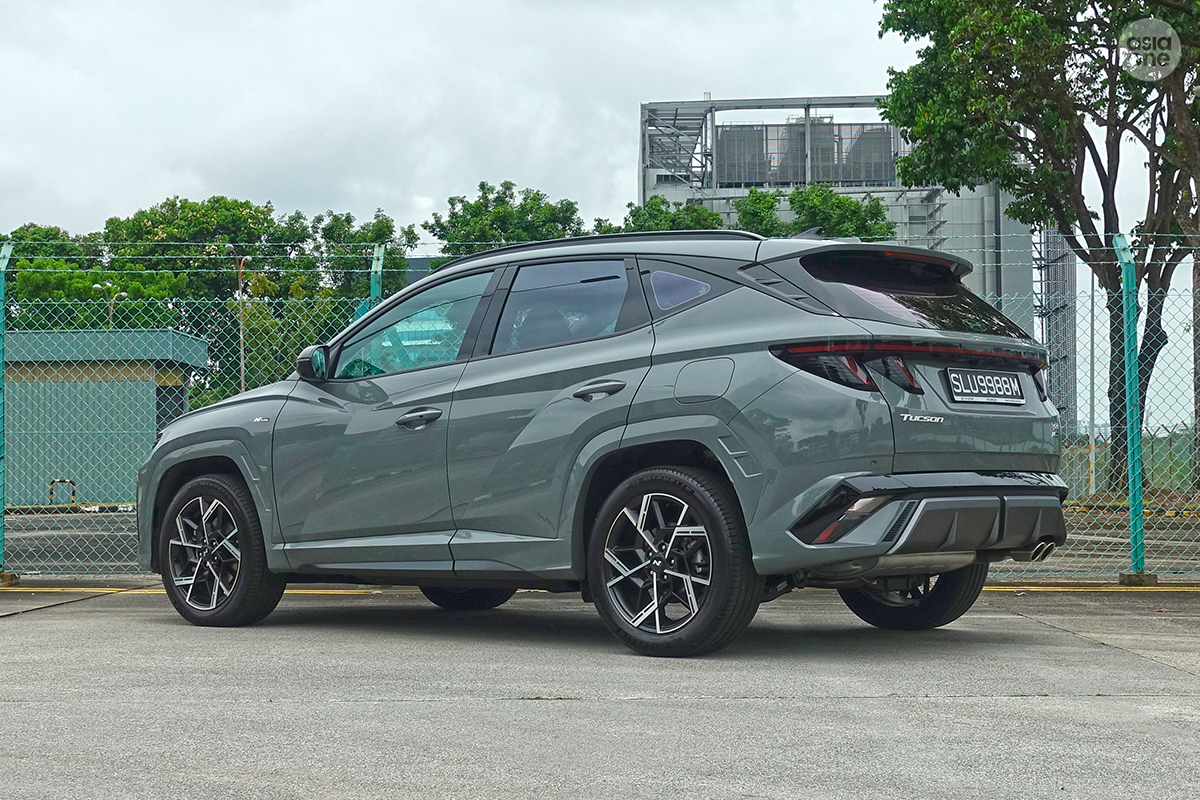
And once again, that prickly topic of price rears its head again. The Tucson's generous power output means that it goes into COE Cat B, and the N Line version here as tested comes with a hefty price of $260,999 with COE (as of September 2025).
You can have a Tucson in Standard trim without all the sporty N Line bits, but that is still going to set you back $248,999 including COE. It's a pretty high price to pay for a family crossover, but again that's just a function of skyrocketing COE premiums more than anything.
Should I buy one? Despite its expensive price tag, the Tucson Hybrid is a compelling choice for families looking for a distinctive-looking crossover that is fuel efficient and loaded with features. If you could afford it though, the Tucson is one of the best options available right now in its segment.
Toyota Corolla Cross Hybrid
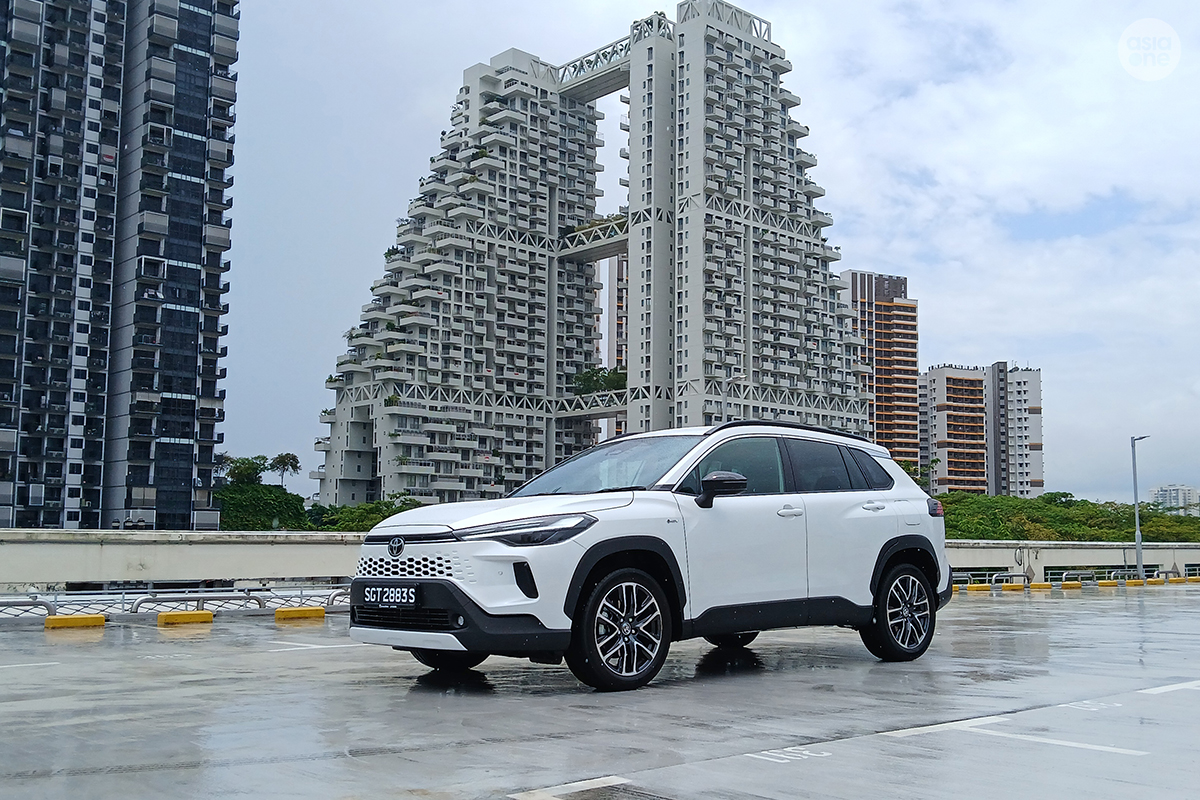
What is it? The Corolla Cross offers Toyota's famed hybrid technology wrapped up in a spacious and practical crossover package.
What's good about it? The Toyota Corolla nameplate is almost synonymous with the term 'family car', and the Corolla Cross aims to translate that essence into the crossover form factor that is so popular with buyers these days.
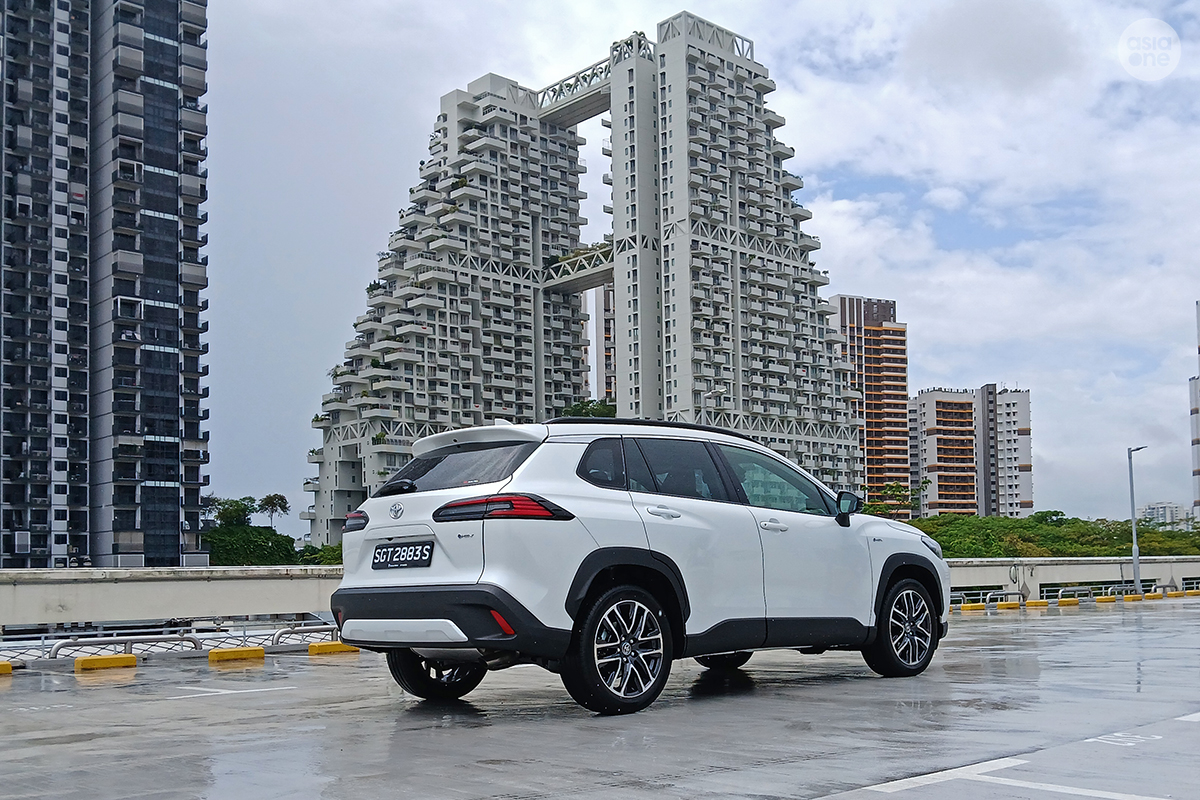
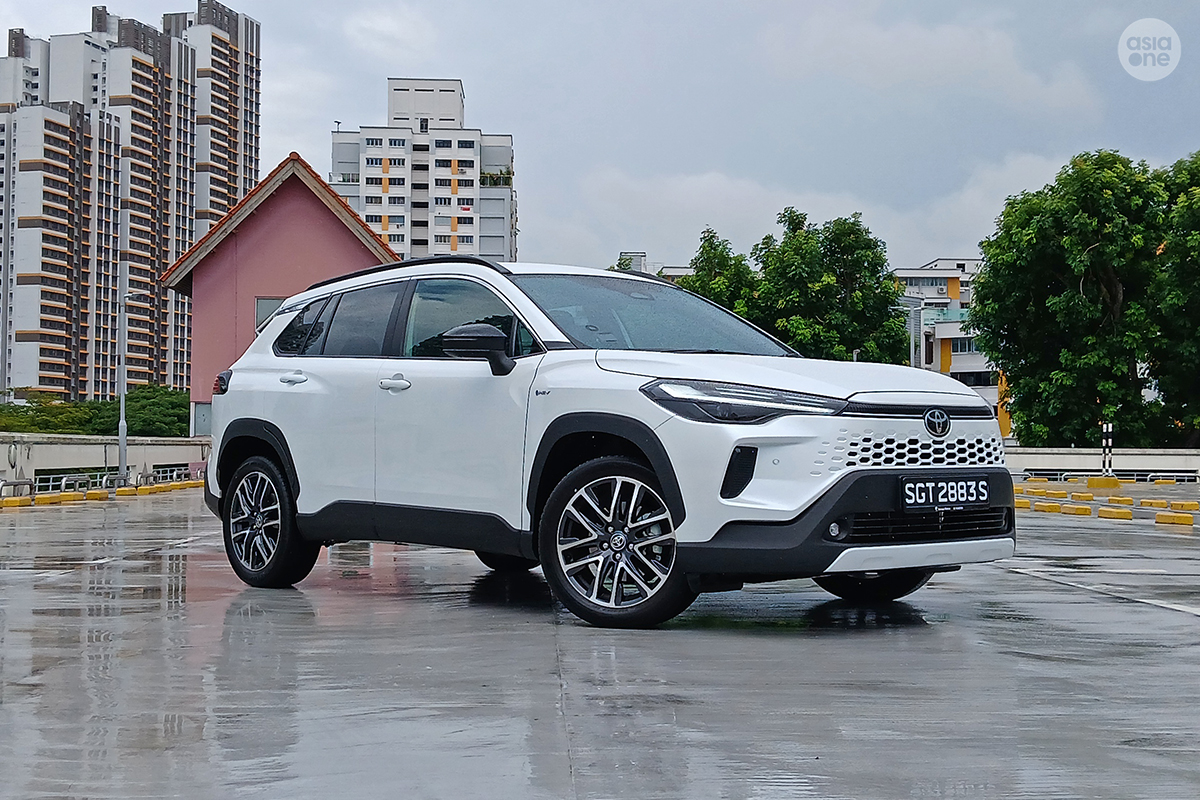
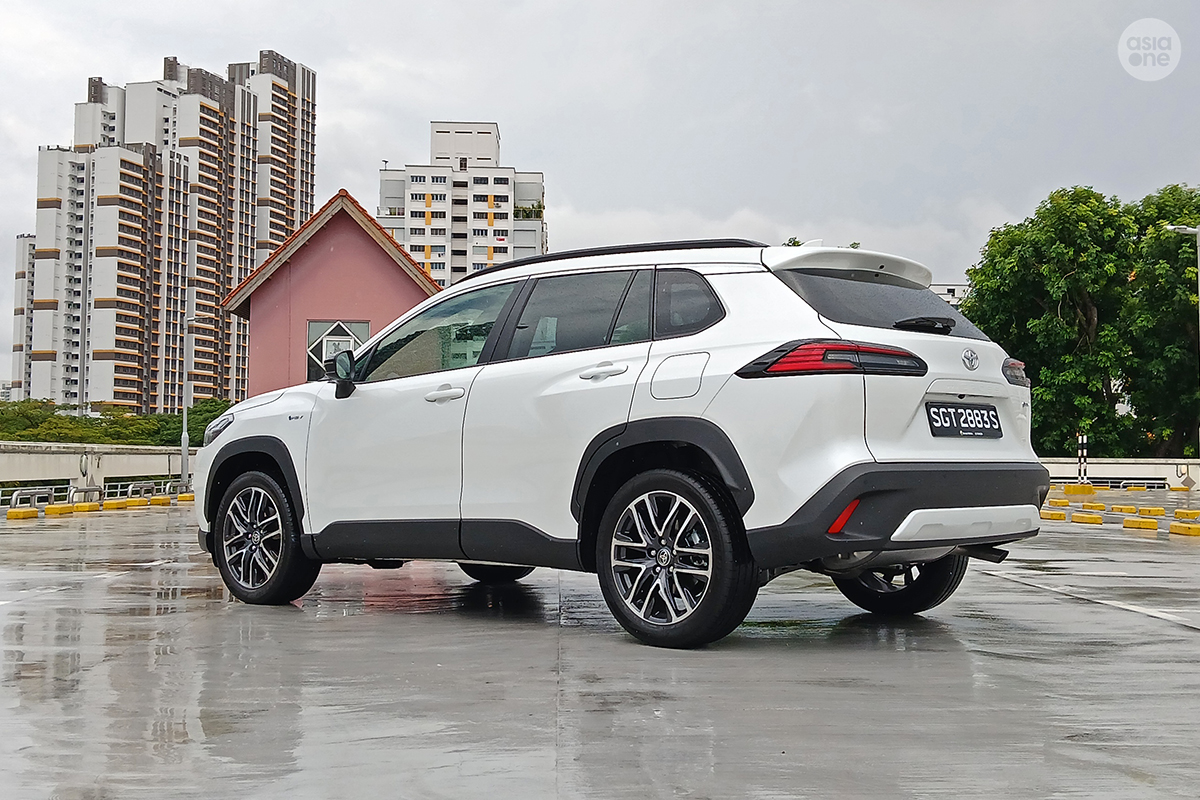
The car was first officially introduced here in 2023, and it has now received a mid-life update to keep it refreshed. The changes are relatively minor in nature, with the most obvious one being the revised front-end design that is sleeker and more streamlined than before.
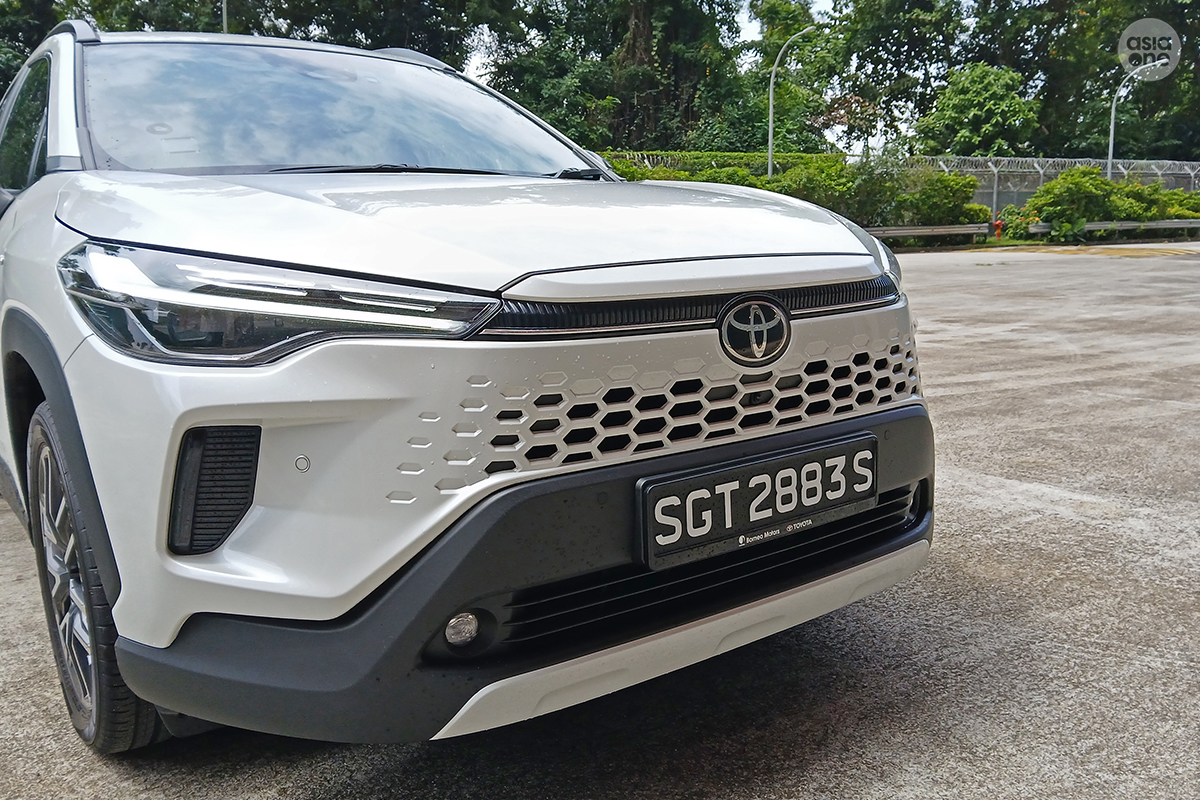
The body-coloured honeycomb grille is a marked departure from the previous version's black plastic piece, and it gives the car a slightly more aggressive look, departing from the pre-facelift car's rugged stance.

At the back, the Corolla Cross name is now embossed on the tailgate pull handle, instead of merely existing as a badge.

The rest of the car remains mostly unchanged, and that includes the interior as well. Other than the slightly redesigned centre console which now includes a larger wireless smartphone charging area and a different-looking gear selector, the cabin is still pretty much the same as before.

Familiarity is a good thing though, especially for Toyota drivers who expect things to be straightforward and uncomplicated. There are plenty of physical buttons available, and most functions are accessible and easy to use.

The Corolla Cross also offers excellent rear legroom for passengers, helped along by the flat floor which frees up space for the middle occupant.

Open up the electric-operated tailgate and you'll find a decent 425 litres of boot space, which is good enough for the family's weekly shopping.

The biggest strength of the Corolla Cross though is its drivetrain. Toyota is the pioneering experts in hybrid technology, and their experience in refining the system over the years means that cars like the Corolla Cross can deliver class-leading fuel efficiency figures that are achievable in the real world.
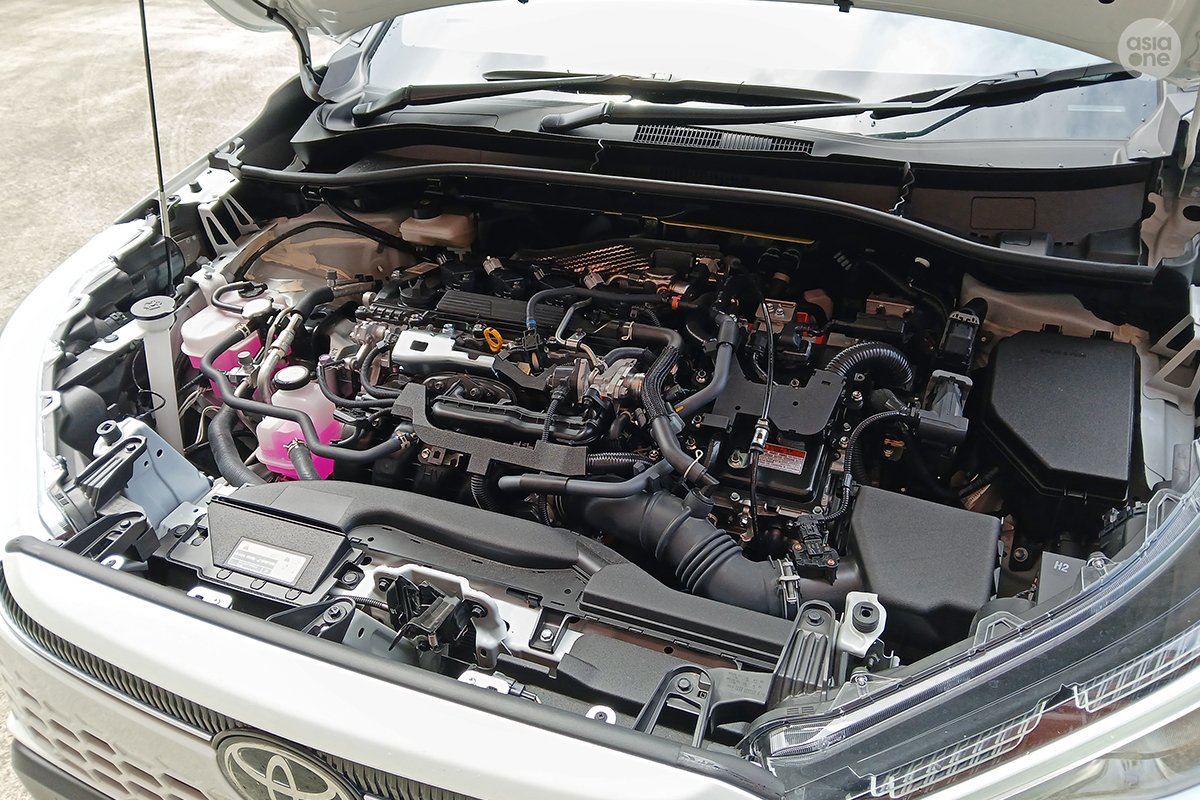
The 2.0-litre engine puts out 196hp and 190Nm of torque, which is decently generous by any measure, but it majors more on refinement and smoothness. The car is very quiet even at highway speeds, and the transition between electric and petrol modes is seamless and nearly imperceptible.
More importantly, Toyota quotes an average fuel consumption figure of 4.8 litres per 100km, which is very impressive for a car of its size. If you're light on the throttle and gentle with your driving style, you can even realistically better that figure quite easily.
What can be improved? Oddly, the updated Corolla Cross comes without a number of features that are commonplace in many of its competitors.

Notable missing items include electric seats and wireless Apple CarPlay/Android Auto connectivity, and their absence feels particularly glaring in this day and age.
And while the Corolla Cross is undoubtedly a smooth and efficient car for daily use, it doesn't particularly excite the senses. Of course, most of its buyers won't really care for that, but some of its rivals have shown that you can have refined efficiency without sacrificing driving enjoyment.
Finally, the Corolla Cross's Cat B status means that it comes with a retail price of $232,888 with COE (as of September 2025), which is quite an ask for a mainstream Toyota family car.
The 2.0-litre engine also translates into a higher road tax payable as compared to competitors with smaller-sized engines, so that's something to take note of as well.
Should I buy one? If fuel efficiency is your ultimate consideration when you're looking for a family crossover, then the Corolla Cross is pretty much the unbeatable choice. But it's also important to do your sums though to see if the higher price and increased taxation is worth the trade-off.
[[nid:721910]]
ben.chia@asiaone.com
No part of this article can be reproduced without permission from AsiaOne.



