When Angie Ng started experiencing breathlessness and chest tightness during a church service in 2022, a heart attack was not what came to mind.
As her mother was unwell and hospitalised at the time, the then-54-year-old attributed the symptoms to stress, as she had been feeling emotional.
Even when she started hyperventilating and panting, she did not think otherwise.
"It never crossed my mind that these could be symptoms of a heart attack. I thought I was undergoing stress or a panic attack," Angie, a member of the Singapore Heart Foundation (SHF)'s Wellness Centre and freelance facilitator told AsiaOne.
The discomfort lasted about 15 minutes.
It was only when symptoms extended to her limbs shortly after that she realised something was wrong.
"I knew something was not quite right because after the chest tightness, my right hand and right leg went numb. That made me realise that I should seek medical attention immediately," she told us.
At Mount Alvernia Hospital's Accident and Emergency Department, the doctors initially had the same thought as Angie.
Her electrocardiogram came back with normal results — and she was diagnosed with a panic attack.
But subsequent blood tests told a different story.
They revealed elevated heart enzyme levels, and further investigations showed three blocked arteries — including one that was 80 per cent blocked.
Two days later, she had a heart stent inserted into the affected artery.
Chest pain the most common symptom
Speaking to AsiaOne in an interview, Dr Violet Hoon, member of SHF's Heart Wellness Committee and senior consultant at Tan Tock Seng Hospital's Department of Cardiology, said that women more frequently report less-specific symptoms which can be misread as "non-cardiac" during a heart attack.
These include:
- Pain in the back, jaw, neck or shoulder
- Shortness of breath
- Nausea or vomiting
- Indigestion
- Dizziness
- Palpitations
- Cold sweat
- A sense of dread
That being said, chest pain or pressure remains the most common symptom in both sexes, and women are "still very likely to experience it", according to Dr Hoon.
She added that a "major misconception" is that women do not experience chest pain during a heart attack.
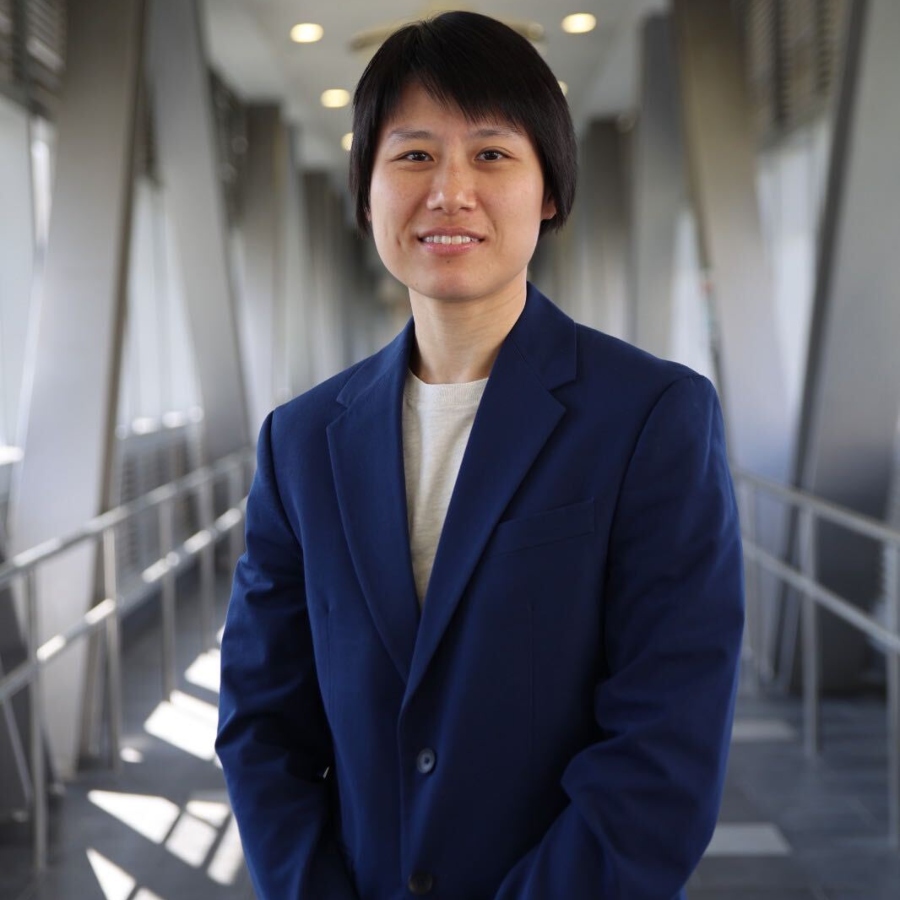
"In reality, chest pain or discomfort remains the most common presenting symptom in women, just as in men," she said.
According to Dr Hoon, the less-specific symptoms occur alongside, not instead of, a chest pain in the majority of cases.
Another common misbelief, she pointed out, is that "if it's not a crushing chest pain, it's not a heart attack".
This was something Angie had believed before her heart attack as well.
"I had assumed that a heart attack would cause the typical, severe chest pain that you often hear about," the 58-year-old told us, adding that she was not aware that women could experience less obvious symptoms, such as breathlessness, chest discomfort, unusual tiredness or nausea.
"That was what happened to me. I was breathless, felt tightness in my chest and started hyperventilating. I thought that was due to stress and I did not realise that these could be symptoms of a heart attack."
Risk factors in women
Before her heart attack, Angie did not have a known heart condition, though she had been diagnosed with borderline high blood pressure when she was 45 and also had borderline high cholesterol.
There was also a family history of cardiovascular disease.
"My father died from a cardiac arrest, my mother died from a stroke, and my older brother died from a cardiac arrest at the age of 50," she told us.
"Looking back, these were important warning signs that I should have taken more seriously."
Angie added that her lifestyle at the time was also "fairly sedentary" — and she would spend most of her time sitting and watching television and doing very little exercise, with her daily steps amounting to only 260 at times.
She also indulged in foods she enjoyed freely.
"I did try to include vegetables in my meals, but I also loved cakes and did not pay much attention to the overall balance of my diet," she said.
Angie had also assumed that because she was not overweight and "generally looked healthy", she was in good shape.
"I now understand that heart health is much more than how we look or feel. Our everyday choices matter and knowing the warning signs can help us recognise when something is not right and seek medical attention promptly."
According to Dr Hoon, traditional risk factors for poor cardiovascular health and heart attacks include smoking, hypertension, diabetes, dyslipidaemia (abnormal amounts of fat in blood), obesity, physical inactivity and psychosocial stress.
"In women, specifically, diabetes and smoking confer disproportionately greater risk compared with men," she added.
Depression is also a stronger independent risk factor for myocardial infarction (heart attack) in young women.
Female-specific risk enhancers also include early menopause, pregnancy complications such as preeclampsia and gestational diabetes, autoimmune inflammatory diseases such as lupus and rheumatoid arthritis, as well as cardiotoxic cancer therapy.
To lower risks, Dr Hoon advises addressing modifiable risk factors by quitting smoking, controlling blood pressure and blood cholesterol, managing diabetes and maintaining a healthy weight.
"Exercising regularly, maintaining a heart-healthy diet, reducing stress and sleeping well are essential too," she said.
Emotional challenges
For Angie, the heart attack affected more than just her physical health.
"I was shocked at first and found it difficult to accept. Eventually, I started thinking: 'If I have had one heart attack, am I going to have another one and die soon?'"
That fear followed her into recovery.
She experienced "significant stomach pain" while adjusting to her medication, followed by other side effects including heartburn, bloating, chest discomfort, shortness of breath and leg cramps — which spiked her anxiety.
"Every new symptom made me fearful that another heart attack was happening. I was so anxious that I even packed a 'standby hospital bag' and kept it by the door," she said.
Angie also became highly sensitive to changes in her body.
"That fear became overwhelming. Living with that constant fear was very difficult, and I often felt alone because I felt that no one around me truly understood what I was going through."
By the third week, she experienced her first panic attack.
"It lasted about four hours and it was terrifying. My heart was racing, I felt breathless and weak, and I was overwhelmed by fear."
Around the second month, she started experiencing pain around her chest and found herself "spiralling into depression".
"I realised that recovering from a heart attack was not only about healing physically, but also healing emotionally."
Finding her footing again
The turning point came for Angie when she was introduced to nutrition counselling at SHF.
"Meeting Natalie, the senior dietitian, helped me better understand what my body needed," she said. "More importantly, I felt understood and reassured that it was normal to feel lost after a heart attack."
She later joined the Heart Wellness Programme, where connecting with other heart patients helped her feel less alone.
"We shared our experiences, tips and even humour, which helped me realise that life can still be meaningful and enjoyable after a heart attack."
The physiotherapists there also helped tailor an exercise programme to her condition.
"They were like cheerleaders throughout my recovery!" she said.
Today, Angie said she is much more conscious about what she eats — ensuring that they are balanced.
[embed]https://www.instagram.com/p/DcianHDDCE9/[/embed]
"I focus on making small, progressive and consistent choices that support my heart health," she said.
She also makes time for regular exercise, including walking, and monitors her weight daily.
Reflecting on what happened, the 58-year-old said the experience has taught her to take a much more proactive approach to her health.
"If I notice something unusual or experience symptoms that concern me, I do not delay seeking medical advice," she said, adding that she consults her general practitioner or cardiologist when needed.
She has also learnt to pay closer attention to her emotional wellbeing and recognise when stress and fear are affecting her, taking active steps to manage them.
"Looking back, the experience has changed the way I care for myself. I feel more hopeful now because I understand that I can take positive, informed steps every day to work towards a healthier and more fulfilling life."
Knowing when to seek HELP
According to Dr Hoon, there is no fixed timeframe for symptoms to start appearing before a heart attack, with some women experiencing mild symptoms for days or even months before they suddenly worsen in hours.
Cardiovascular disease is also the top killer of women in Singapore, accounting for about one in three female deaths a year, she noted.
Despite this, women may still delay seeking help when symptoms arise.
"Women tend to ignore their symptoms, attributing them to other reasons. Also, women tend to take care of their family before themselves, hence leading to under-reporting," explained Dr Hoon.
[embed]https://www.instagram.com/p/DZHlEX7Nayl/[/embed]
The condition is also sometimes underdiagnosed or undertreated due to a combination of factors including atypical symptom presentation, underuse of sex-specific risk assessment and systemic gaps in guideline-directed care, the cardiologist said.
"Women often present symptoms without the classic chest pain, which are less likely to be recognised as a cardiac event by themselves or healthcare providers," she explained.
If a woman is unsure of whether she is experiencing a heart attack, Dr Hoon advises checking for any new or changing chest discomfort, or the associated symptoms mentioned (especially in combination), which will warrant a visit to the doctor at the nearest clinic.
To help people recognise possible warning signs, the SHF uses the mnemonic HELP:
- H — Heaviness over chest and shortness of breath
- E — Extreme fatigue or unusual tiredness
- L — Light-headedness or dizziness
- P — Pain beyond the chest, radiating to the neck, jaw, shoulders or upper back
[embed]https://www.instagram.com/p/DYB4egHFFp9/[/embed]
For Angie, she advises others to take care of themselves from the inside out.
"Do not focus only one how you look on the outside. Pay attention to the things that matter to your heart health," she said, urging others to check their blood pressure, blood cholesterol and other important health indicators regularly.
Maintaining a balanced diet, being mindful of portions, staying active and maintaining a healthy weight is also crucial, on top of paying attention to symptoms and seeking medical attention when anything unusual is observed.
"My message to other women is simple: know the signs, listen to your body and do not dismiss the unusual symptoms. When something feels different, seek help and do not delay."
[[nid:724390]]
No part of this article can be reproduced without permission from AsiaOne.
carol.ong@asiaone.com




