

The importance of play: How playtime aids development for kids aged 3 to 6

PHOTO: Pexels

Play is much more than just a way to pass the time, it is a crucial part of your child's early development.
For kids aged three to six, playtime serves as a powerful tool for learning, helping them build essential skills like problem-solving, social interaction and emotional regulation.
In this article, we'll explore how play supports your child's growth, fosters creativity, and lays the groundwork for lifelong learning. We'll also share tips on making the most of this important developmental stage.

One of the most obvious benefits of play is how it aids in the development of motor skills. For children aged three to six, activities like running, jumping, climbing or riding a tricycle help strengthen their muscles, improve coordination, and boost overall physical health.
At this age, kids are mastering both fine and gross motor skills — learning to balance, catch a ball, or thread beads onto a string.
Tip: Provide a variety of play options, from sports equipment and building sets to art supplies, to help your child develop both types of motor skills.
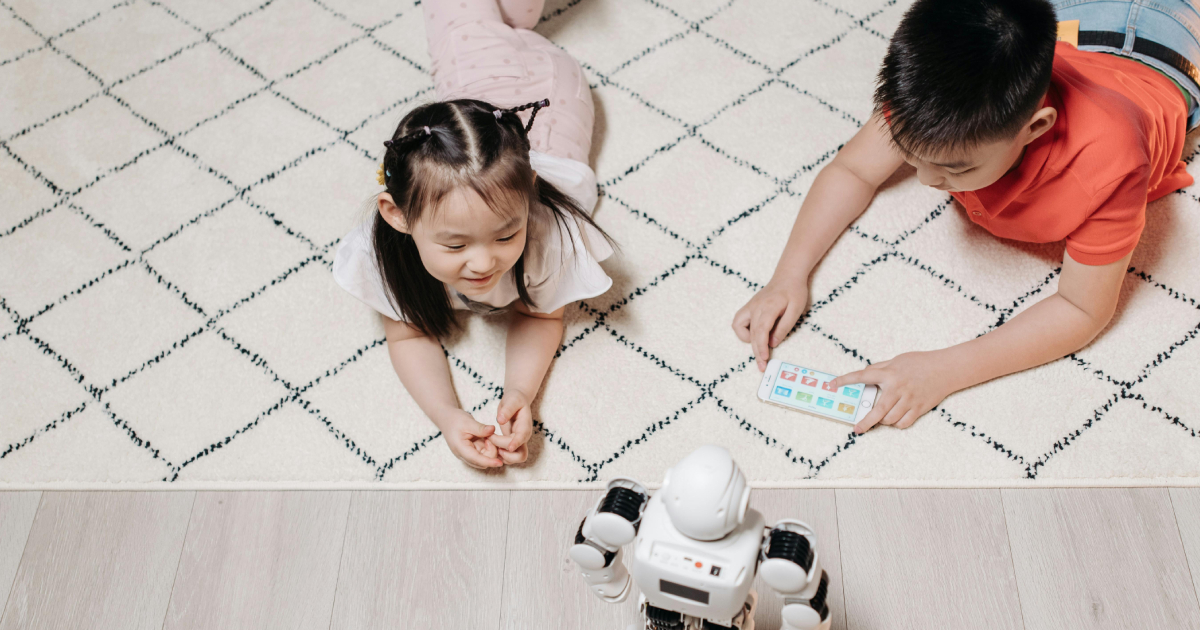
Playtime is one of the most effective ways for children to develop social skills and learn how to interact with others. Through playing with peers, siblings, or even adults, children practise sharing, taking turns, resolving conflicts, and expressing their emotions.
Role-playing games, in particular, are valuable in helping kids understand and manage their own feelings, and empathise with others.
Tip: Arrange regular playdates or encourage group activities, such as building a fort together or playing a game, to give your child opportunities to develop social skills.
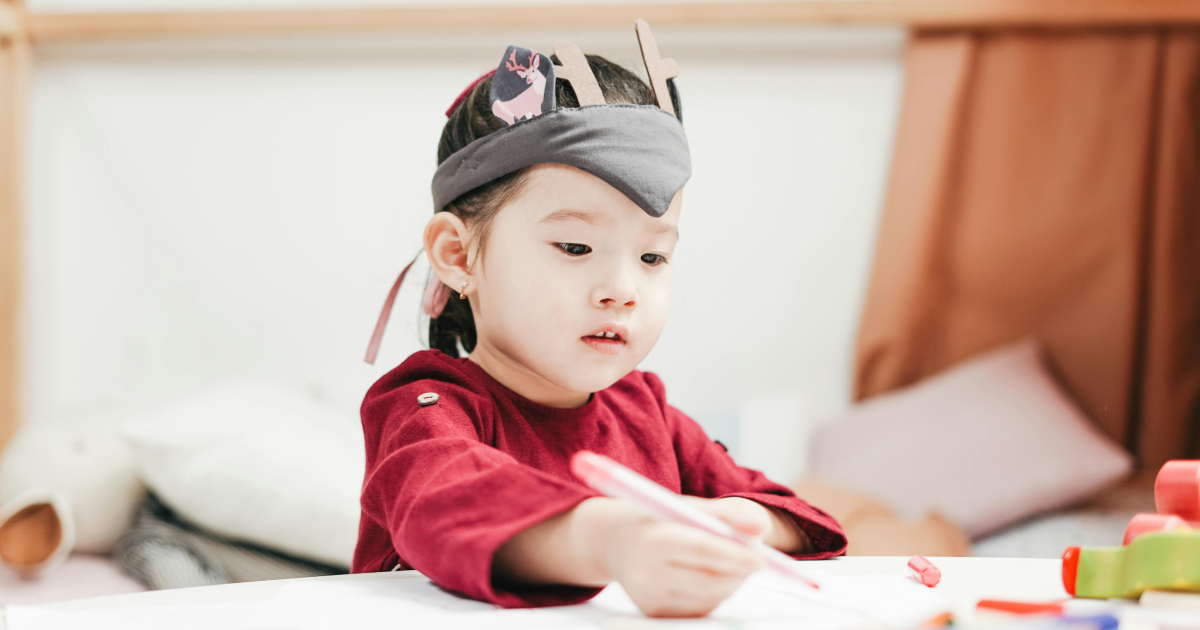
Play is an incredible way to boost a child's cognitive abilities. Whether it's figuring out how to complete a puzzle, building a tower with blocks, or pretending to cook a meal, children use play to make sense of the world around them.
They learn to think critically, solve problems and develop creativity — all of which are crucial skills for future learning.
Tip: Offer a range of toys and activities that challenge your child's thinking, such as building sets, age-appropriate puzzles, or simple board games. Encourage them to find their own solutions and be creative in their play.
Another key benefit of play is the way it enhances language and communication skills. As children engage in play, they are constantly using and hearing language, which helps expand their vocabulary, improve sentence structure and develop listening skills.
Whether they're talking to a stuffed animal, giving instructions to a friend, or narrating a story, every moment of play is an opportunity to practise language.
Tip: Encourage your child to explain their play, tell stories, or describe what they're doing. This not only strengthens their language skills but also builds confidence in expressing themselves.
By providing opportunities for play, you're helping your child develop physically, socially, emotionally, and cognitively.
Remember, the most effective play is unstructured, allowing your child to explore, experiment, and let their imagination run wild. So, give them the time, space, and encouragement to play, and join in whenever you can. You'll be helping them build a foundation for a lifetime of learning and growth.
[[nid:690838]]
This article was first published in theAsianparent.