

She gives up high-paying tech job to become stay-home mum and entrepreneur — here's why

Leaving her tech job was a difficult decision to make, but one that felt right for her.
PHOTO: Guai Wan Ling

 PUBLISHED ONMay 15, 2026 12:45 AMBYDannon Har
After heading back to her corporate job post maternity leave, Guai Wan Ling found herself juggling three full-time roles — a senior product designer in a tech firm, the boss of her own storybook app venture and a mother to a baby boy.
She was at a career peak, already earning a six-figure annual salary in her early 30s.
But the strain of work, entrepreneurship and motherhood combined soon took a toll on her, and something had to give.
"There are days when I feel like I'm being pulled in two directions, wanting to build something meaningful in my work, but also wanting to be fully present for my child," Wan Ling, now 35, tells AsiaOne.
"At this stage, I feel very strongly that I don't want to sacrifice his development for my career. These early years matter so much. It's when their character, resilience and emotional foundation are being shaped."
With that, she took the plunge earlier this year, leaving her corporate career behind to focus on being a parent and to work on building her own app.
"It was a difficult decision, but it felt like the right one for both my child and myself," she shares.
Parents of today may enjoy more leave and flexible work arrangements than the generations before, but for Wan Ling, these don't address one of the main reasons for her decision — to be more mentally present for her child.
Back in her corporate life, the "pace and mental load of work" often followed her home, she says. Even when she was physically there for her son, her mind was still occupied elsewhere.
It didn't help that like many workplaces after Covid-19, there was a stronger push to return to the office.
Many of her colleagues also aren't parents themselves, leading to a sense of isolation from the lack of understanding around the need to leave earlier from work for school pick-ups and childcare responsibilities.
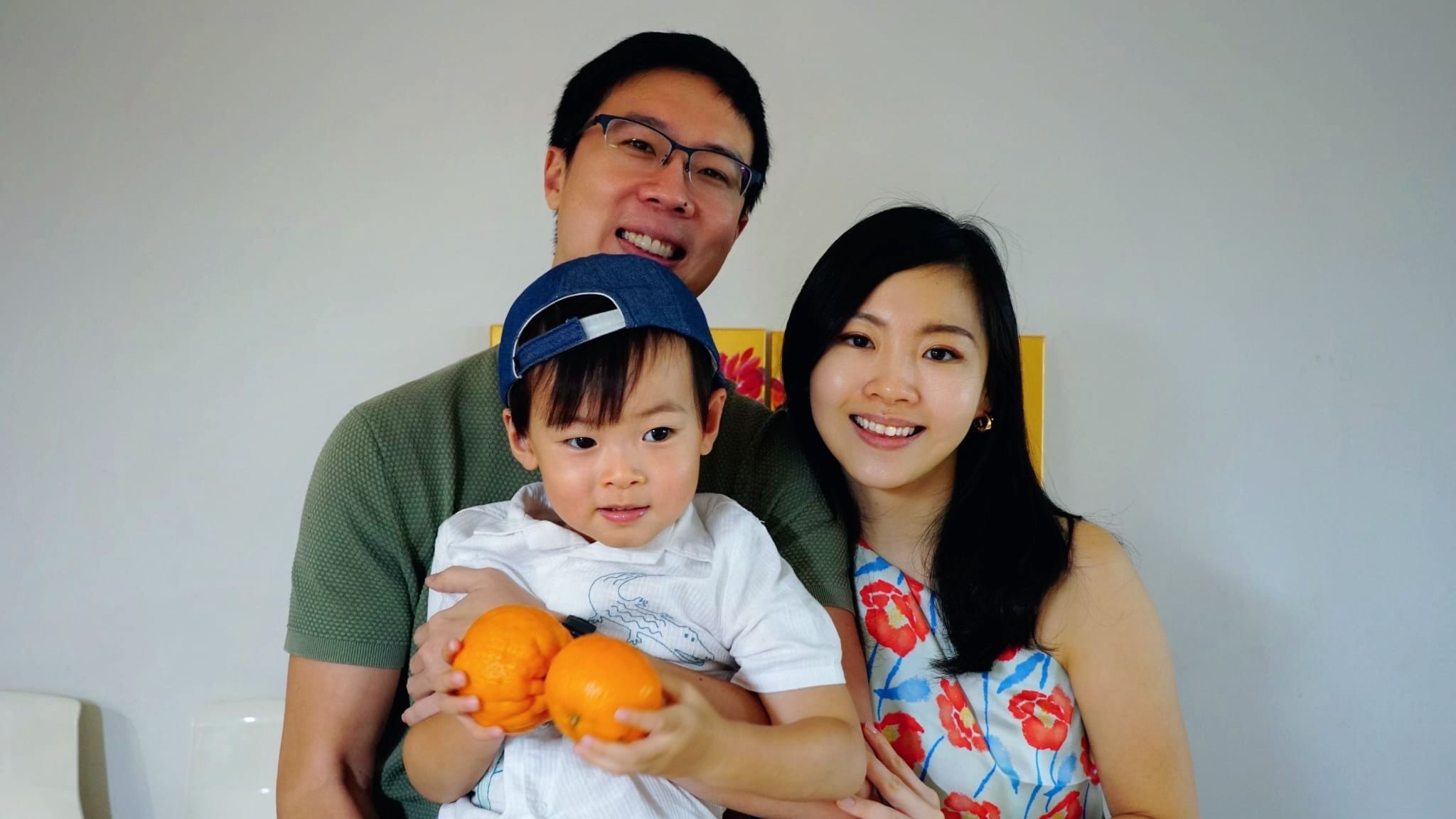
"The reality is there's no 'discount' given. At work, you're expected to perform at 100 per cent. At home, you're expected to give even more," she says. "But we all only have 24 hours."
Then there's the insidious notion that modern-day mums are supposed to 'have it all', to be able to excel at all fronts in life.
But for Wan Ling, she chooses to "filter that noise" and be clear about the kind of woman and mother she wants to be.
"It's not easy. It takes a lot of self-awareness and conviction. But I've learned that it's okay not to meet everyone's expectations. What matters most is that your choices align with your values."
[[nid:735309]]
Leaving her corporate job behind doesn't mean she no longer works. Wan Ling is now an entrepreneur, turning a side project she started during her pregnancy into a full-time business.
Her app, Minime, launched in the third quarter of 2025 on Apple's App Store. The kids adventure story app allows users to become the main characters in its digital library of interactive, original tales.
It's free to download with in-app purchases available. As of the time of publishing this article, the app has received seven ratings with an average score of 4.9/5.
The idea for her app came from her experience being a parent. "Why isn't there something that helps children learn values and emotional skills in a way that actually feels magical and exciting to them? That became the starting point for Minime," she shares.
Her son, nieces and nephews all chimed in as focus group participants and play-testers for her app. Their feedback became invaluable in her development process.
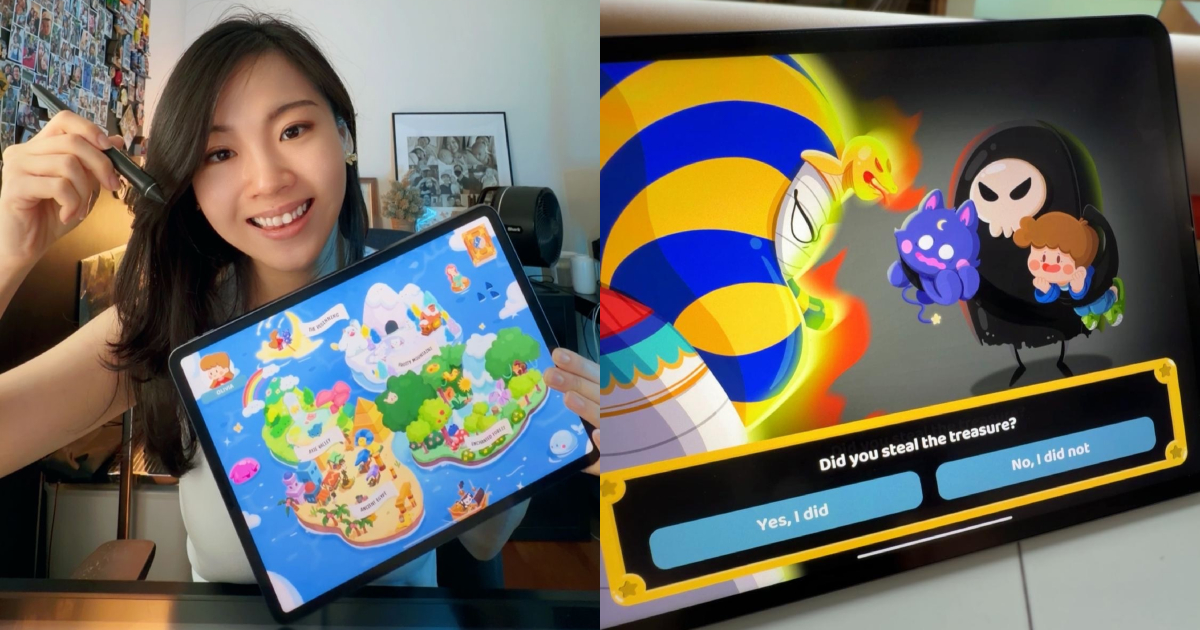
Wan Ling poured her own money into the start-up, with additional investment from her sister, totalling under $100,000 in funds. Bootstrapping the business meant she could stay close to the vision she has for the app and set aside profitability for now.
While her business doesn't currently bring the kind of income she used to enjoy, she believes that there's strong long-term potential for Minime.
"More than just entertainment, we're building something around emotional development, learning and parent-child connection, which are needs that continue to grow," she says.
A big update is coming in June for her app, expanding Minime into what she calls an "inner world" series, where stories focus more intentionally on emotional development and social-emotional learning.
While working hard to build her business, Wan Ling has dedicated most of her newfound time and energy to her three-year-old son.
Her days revolve around him, she admits. Other than drop-offs and pick-ups from school, she places great importance on dinner time, when everyone comes together for a meal.
"We sit down as a family, talk about our day, and I make a conscious effort to treat him like a little adult, asking about his day, sharing my own experiences, and really listening to what he has to say," she shares.
"After that, it's playtime followed by our bedtime routine, bath and stories. Lights out for my son is typically around 9pm."
Mentally, it helps too that working on Minime is a way for Wan Ling to leverage her experiences in tech to plug a gap for parents in the market.
"As a mum, I started noticing how powerful stories were in shaping how children think, feel and express themselves. But I also struggled to find stories that helped me have the kind of emotional conversations I wanted with my child," she says.
"[Minime is] something that could support children's emotional growth while also strengthening the bond between parent and child."
Now, even though she continues to work, she feels more mentally present and at peace during the time she spends with her son.
But what about the ill effects of screen time on young children?
According to Ministry of Health's guidelines, infants under 18 months should not have any screen time except for video chats.
Meanwhile, those aged 18 months to six years can benefit from screen use when family members watch educational and age-appropriate content together and talk about the content.
For this age group, the guideline adds that screen use should be limited to less than an hour a day, as excessive screen time can lead to difficulties in maintaining attention, learning and problem-solving.
The negatives of screen use and the balancing act required for proper usage is not lost on Wan Ling, who believes that screen time should be intentional and within healthy limits.
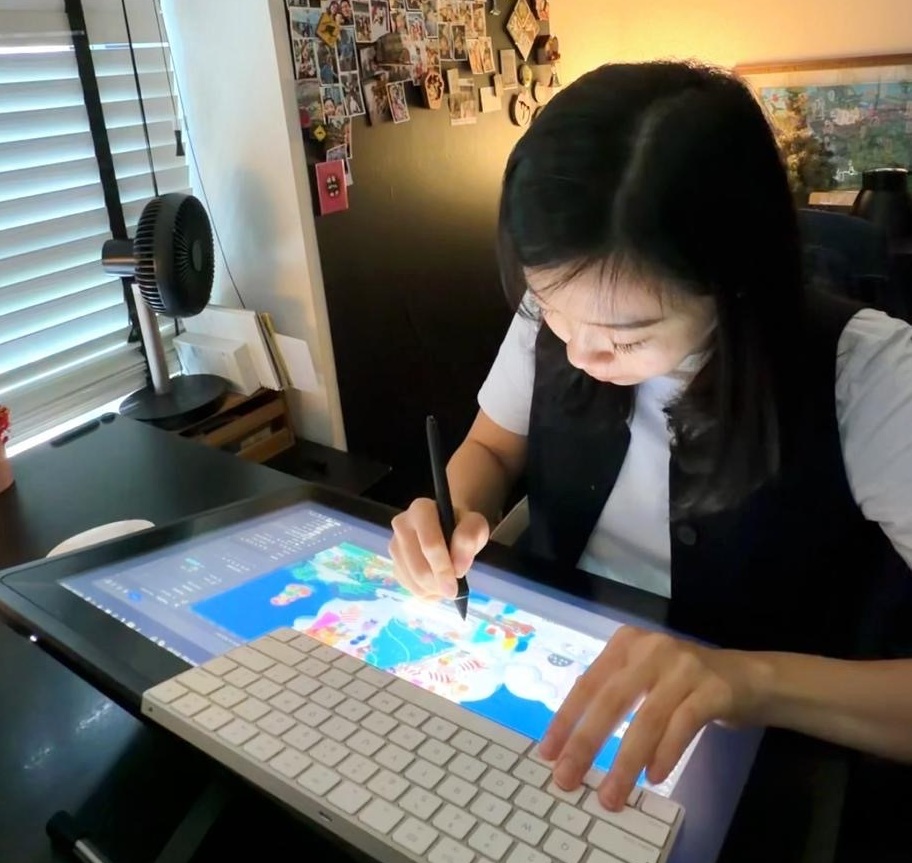
"For me, it's less about 'no screen time' versus 'yes to screen time,' but more about the quality of the content children are engaging with," she explains.
"As a parent, I've personally seen how technology can support learning and even speech development when used meaningfully. Interactive experiences can sometimes offer forms of engagement and learning that traditional books alone may not provide."
Her intention for Minime is for it to be educational and engaging, encouraging its young users to be imaginative, grow emotionally, expand their vocabulary and to be active participants in the learning process.
"Ultimately, we hope Minime can become more than just a story app. We want it to be a tool that helps families connect, communicate and navigate emotional conversations in ways that feel natural and relatable for children."
[[nid:721515]]
No part of this article can be reproduced without permission from AsiaOne.