

See what?! 2 new species and walk-in civet exhibit debut at Night Safari

Catch this pair of nocturnal monkeys on the Fishing Cat Trail later this month.
PHOTO: Mandai Wildlife Group

Seems like everything has eased up now. Can jio the gang for drinks, can bring the fam for karaoke (if you can secure a slot lah).
And just as you thought Singapore nightlife couldn’t get any wilder, the Night Safari has not one but three exciting encounters to wow us with.
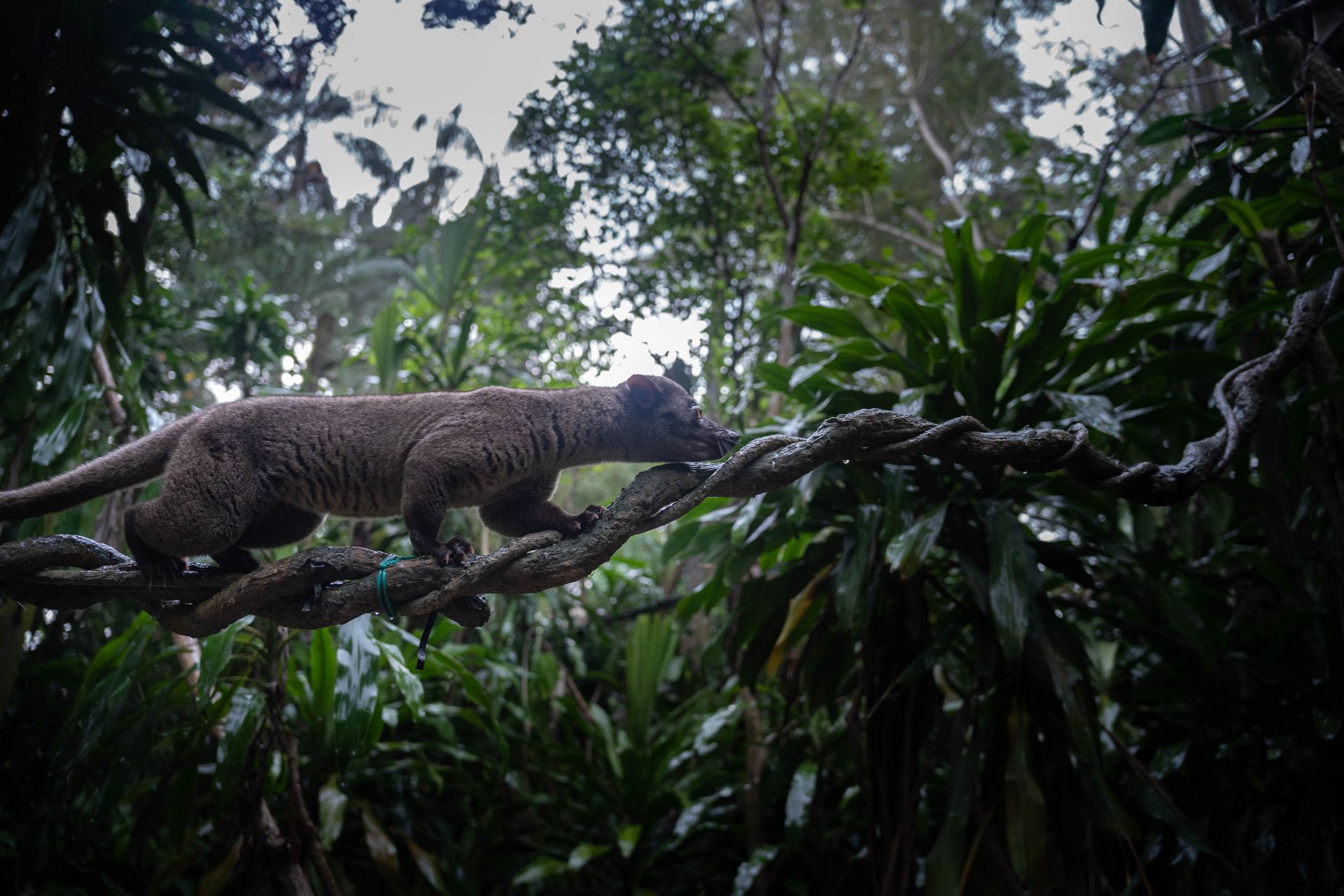
The first is a new walk-in exhibit of the park’s born-and-bred-in-Singapore civet cats at the Leopard Trail. Get up close to the seven Common Palm Civets and seven Small-toothed Palm Civets as they roam the 677sqm habitat (that's about the size of 10 three-room HDB flats). Of course, stay on the pathways and don’t touch or feed these cuties.
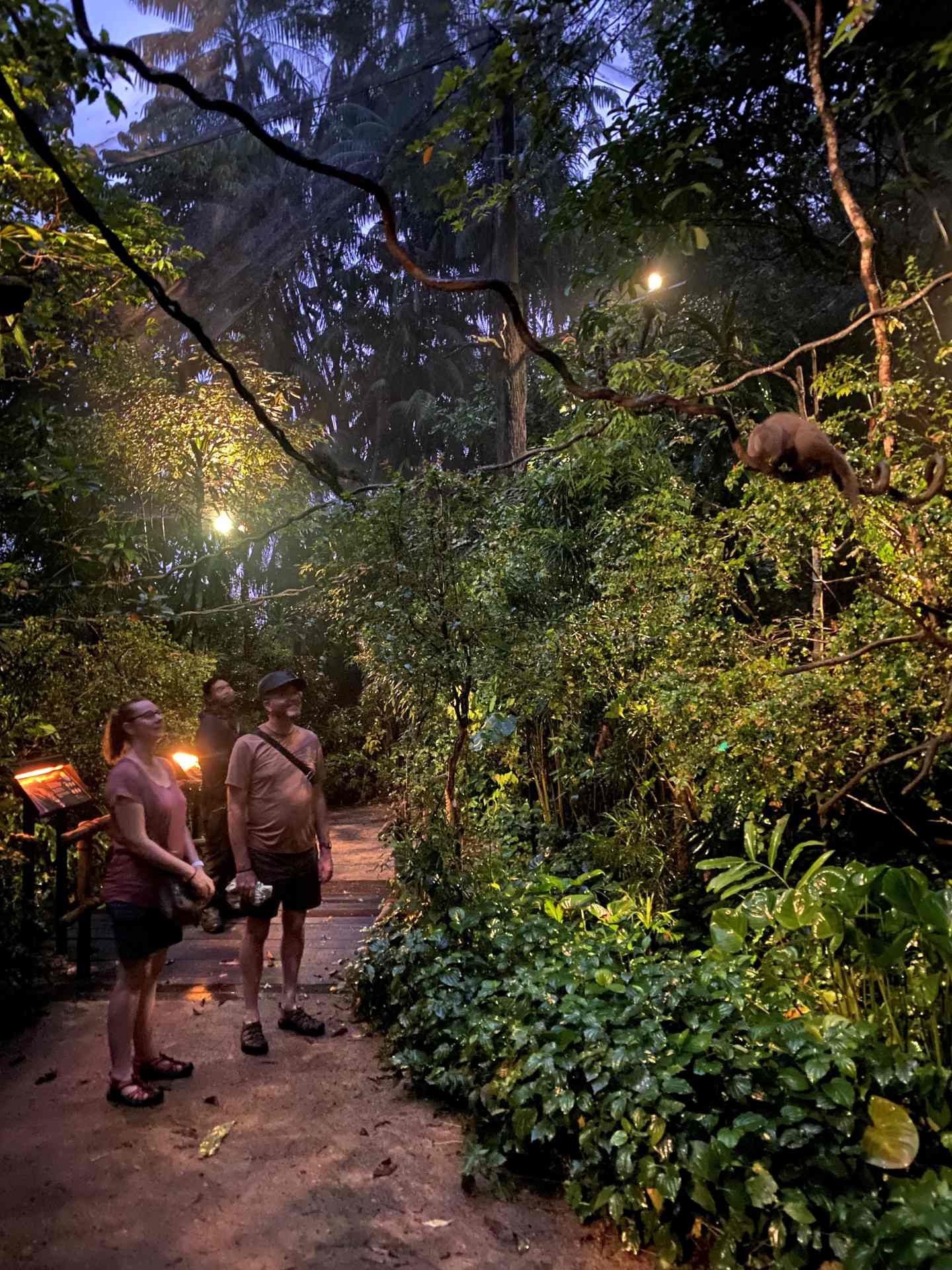
Night Safari - the world's first nocturnal wildlife park - also welcomes two new residents: the Brazilian Porcupine and Grey-handed Night Monkey. The Brazilian Porcupines are already settling in to their new home at the Fishing Cat Trail, while the Grey-handed Night Monkeys will be moving from Europe to their new home later this month.
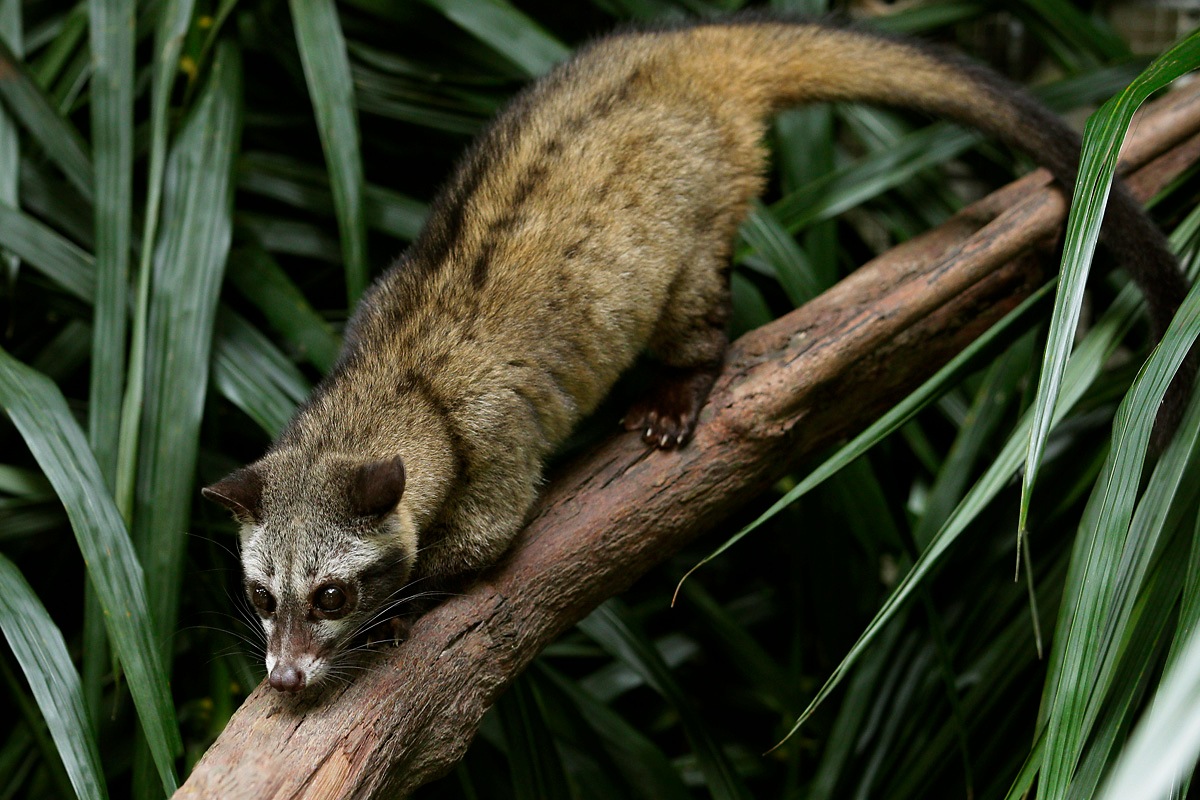
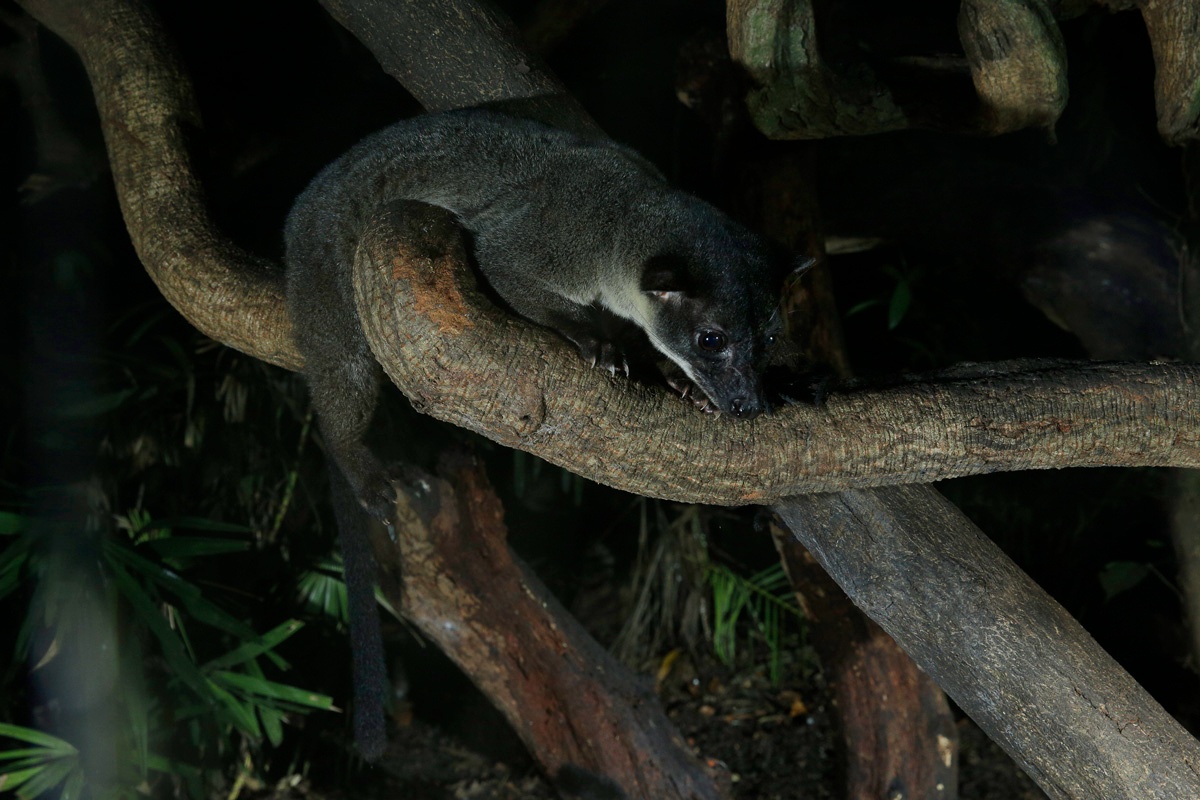
The new home at the Night Safari for seven Common Palm Civets and seven Small-toothed Palm Civets.
Fun fact: You might have seen them around your HDB, as they are native to our Little Red Dot. They are also an arboreal species – meaning they spend most of their time in trees! Get up close to our local neighbours at the feeding spots.
Where can I find it: The Leopard Trail
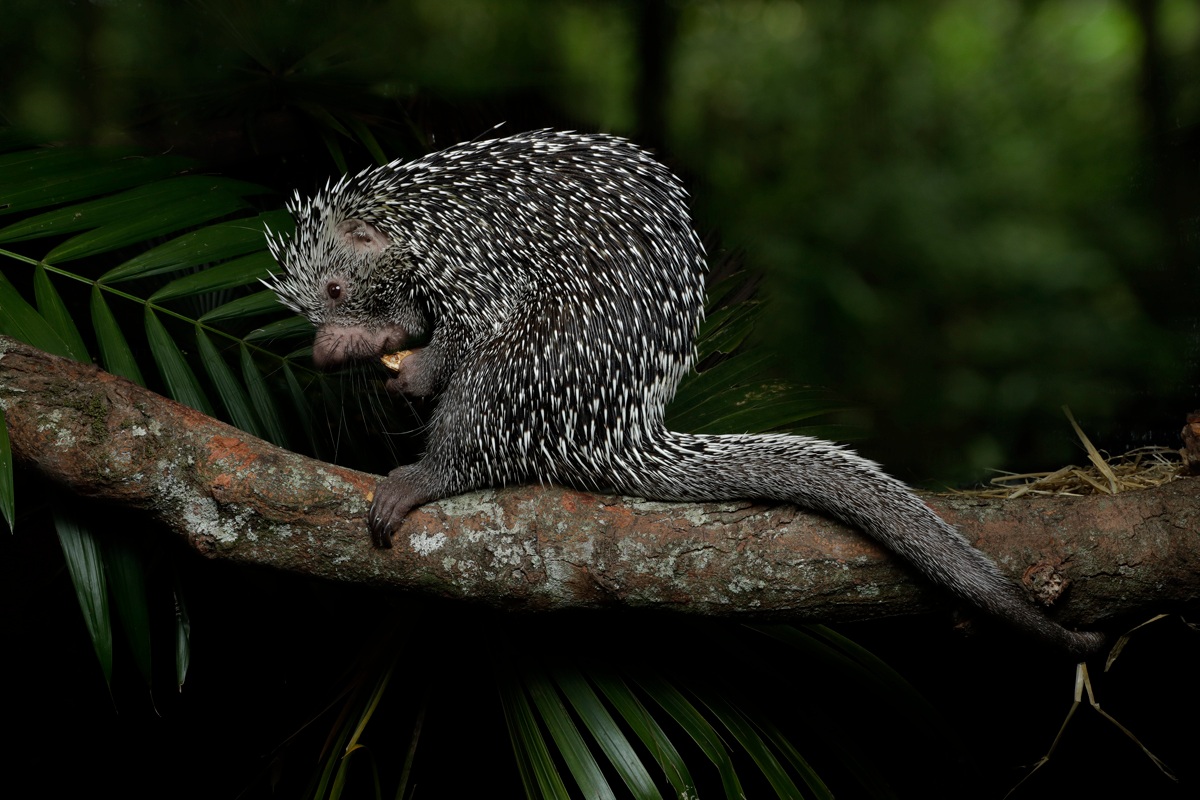
Native to South America, this arboreal species (which measures between 2 to 3.5ft from toe to tail) loves hanging out in the trees and hiding amid the vegetation. Unlike porcupines that can shoot their quills, this species can't, but it will shake its quills instead to scare off predators.
Fun fact: It’s characteristic prehensile tail, as long as its body, helps it grip onto branches.
Where can I see it: The Fishing Cat Trail
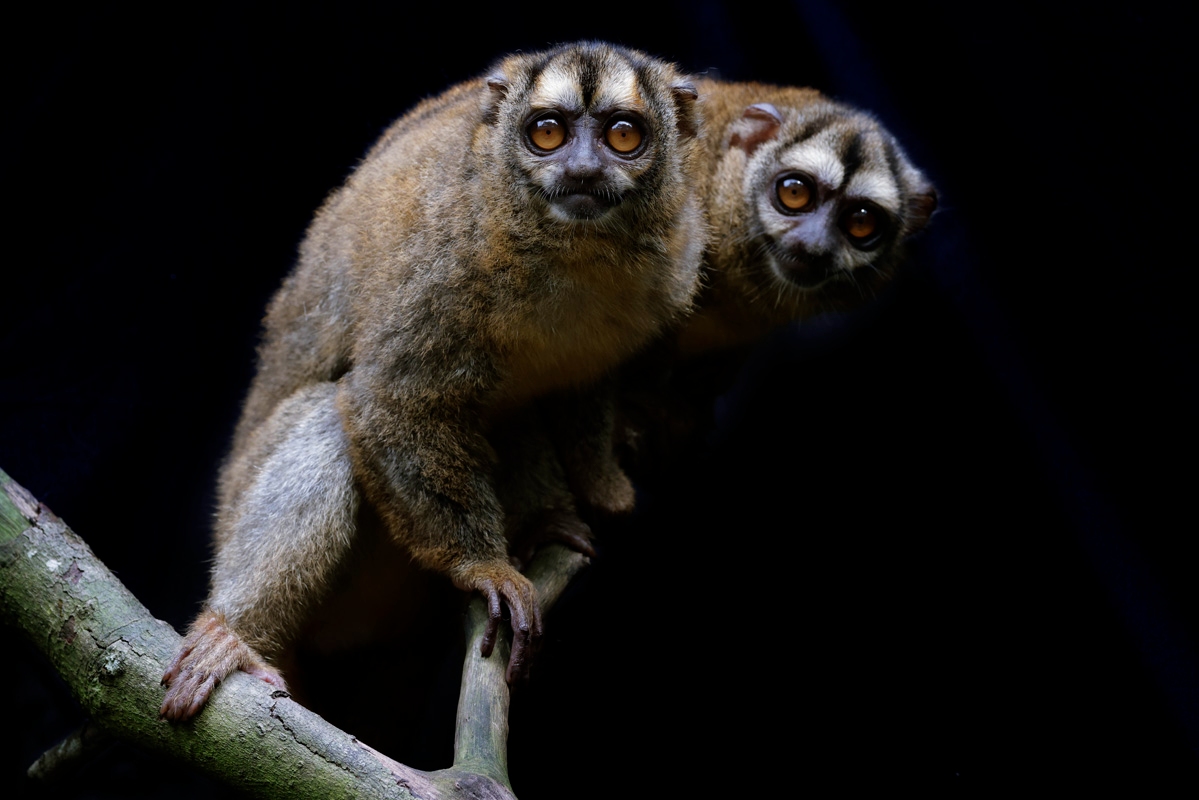
Also native to South America, this arboreal species (which weighs only about 1kg) is unfortunately listed as vulnerable under the International Union for Conservation of Nature Red List. These small monkeys are apparently so sensitive to light, they've even been known to be affected by the light of a full moon.
Fun fact: One of the few true nocturnal monkeys in the world, they are monogamous and mate for life
Where can I see it: Soon (later in June) on The Fishing Cat Trail
This article was first published in Wonderwall.sg.