NEPAL-TIBET FLOOD DISASTER 2026

I WENT TO THE FRONTLINES OF THE NEPAL FLOODS AND IT BROKE ME

Two weeks after deadly floodwaters swept through the Nepal-Tibet border, AsiaOne travelled there to document the aftermath

BIDUR, Nepal - The stench of mud and gravel still lingers vividly in my mind.

It was an ordinary Saturday evening in the warm comfort of my home in Singapore when I was assigned by my editors to pack up and fly to the cold, muddy grounds of Trishuli and Devighat in Bidur, Nepal.

On Aug 26, a catastrophic glacial collapse triggered surging floods and tsunami-like waves that cut through the towns along the Trishuli River like a blade, severing lifelines and sending a train of mud, rock and ice that slammed into and buried infrastructure.

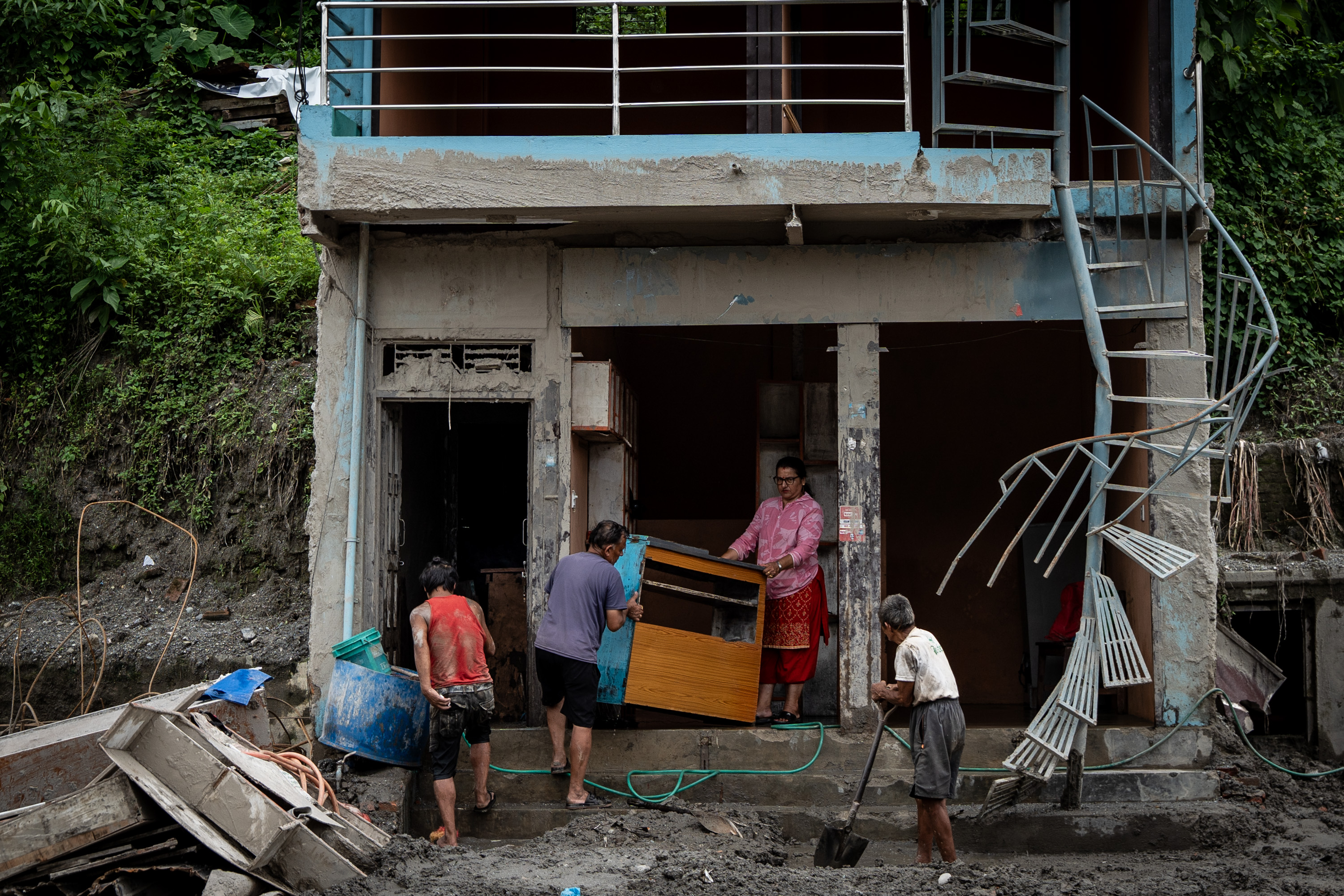
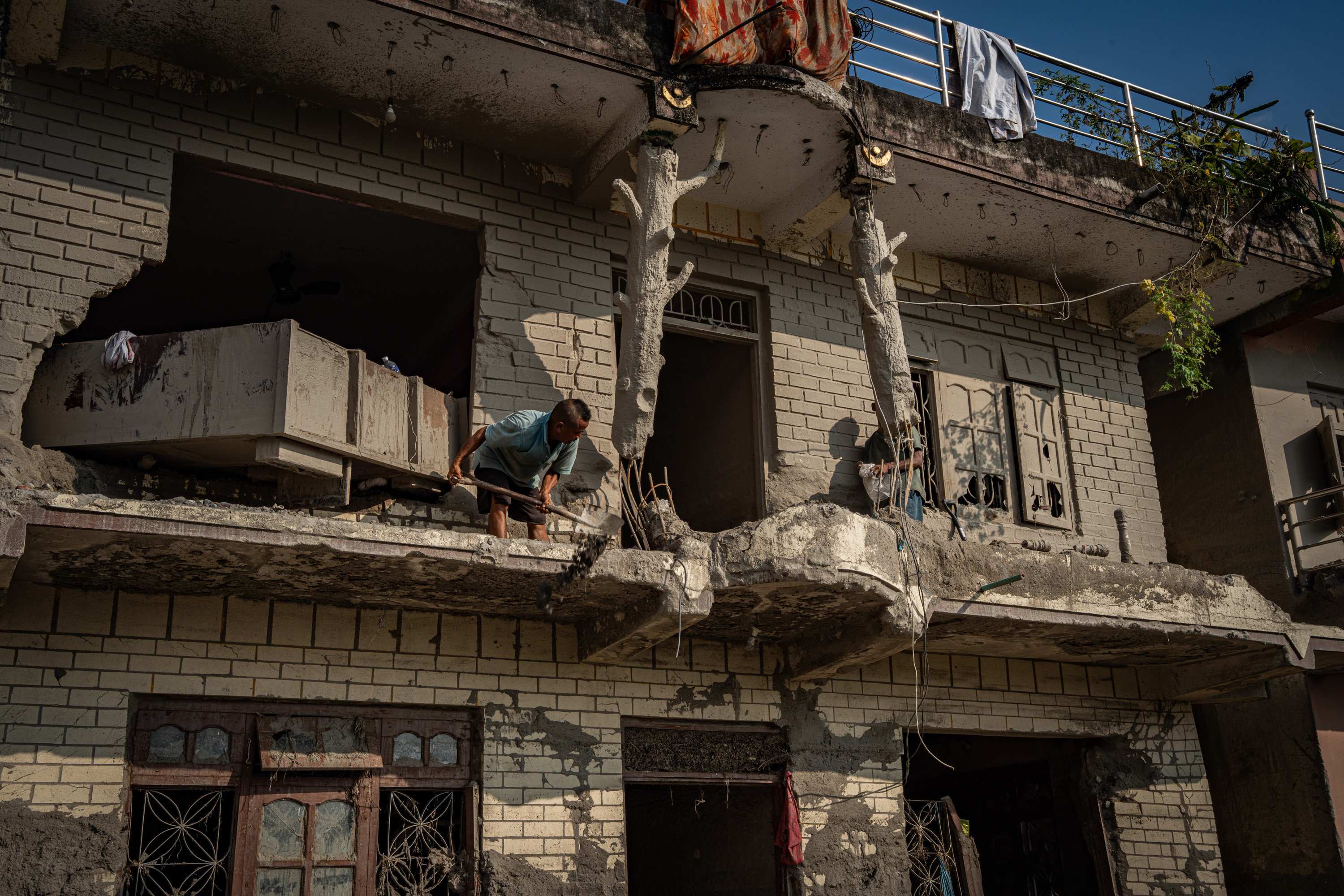
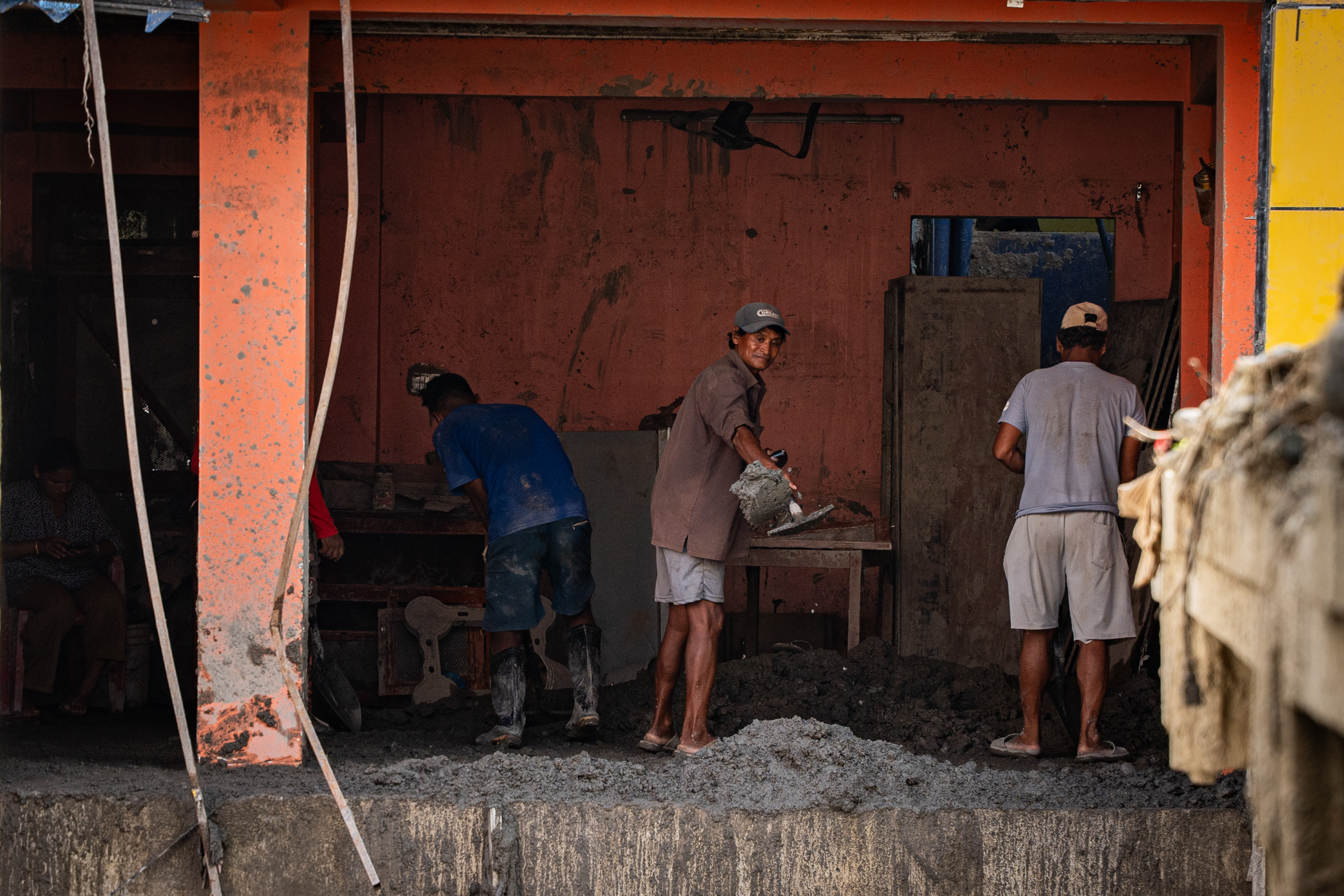
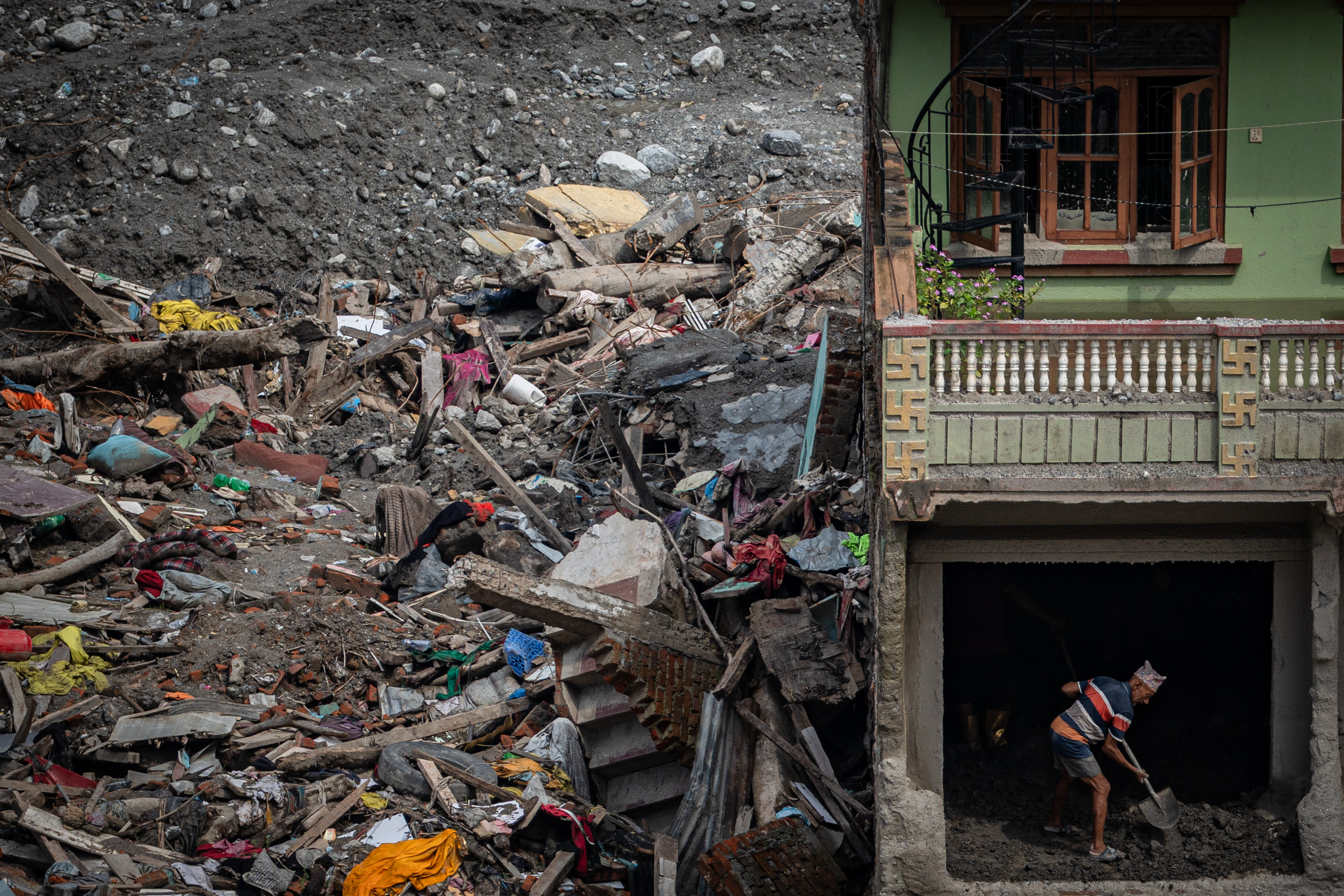
Amid debris swept in by the floods, a man shovels mud out of his home.

Amid debris swept in by the floods, a man shovels mud out of his home.

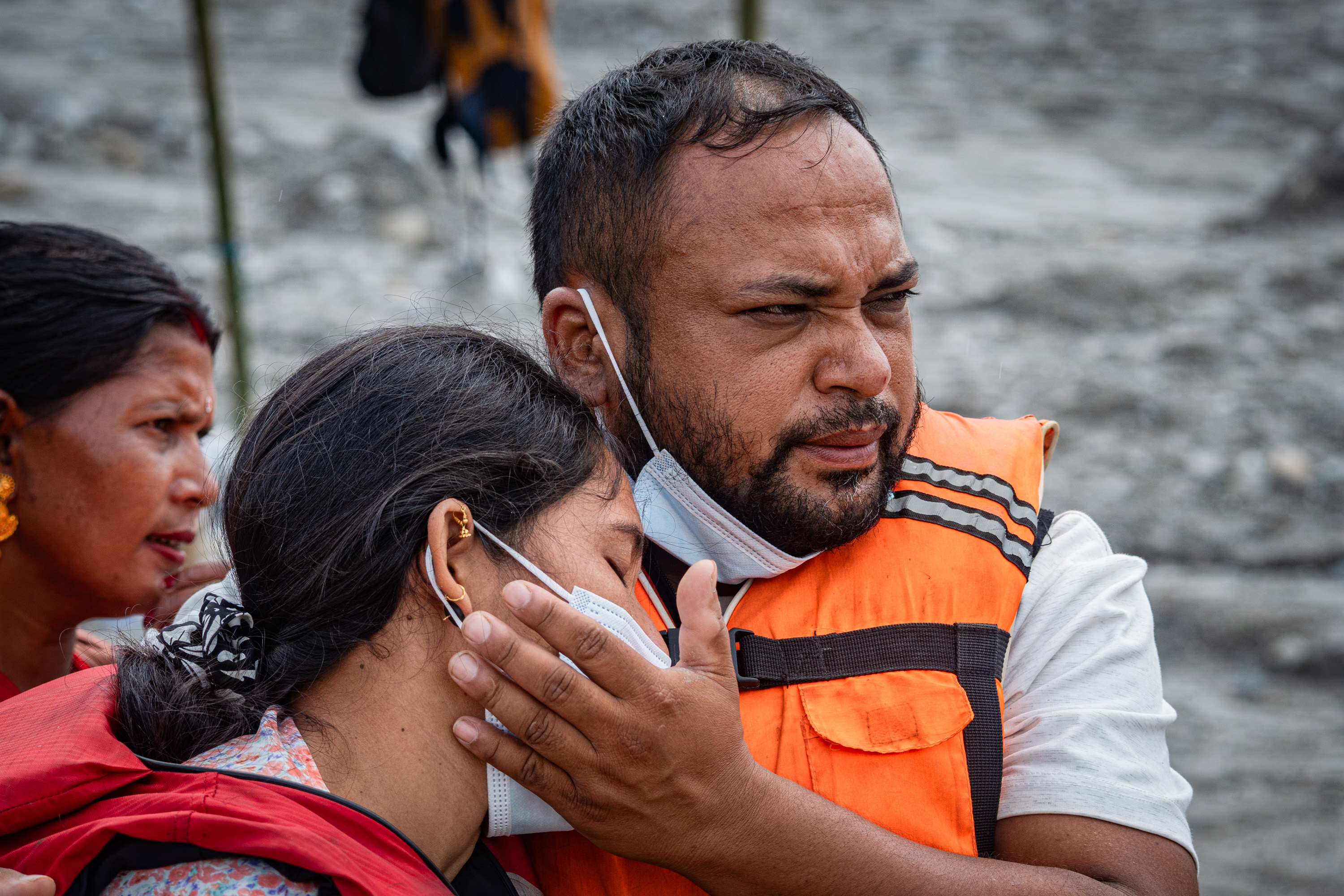
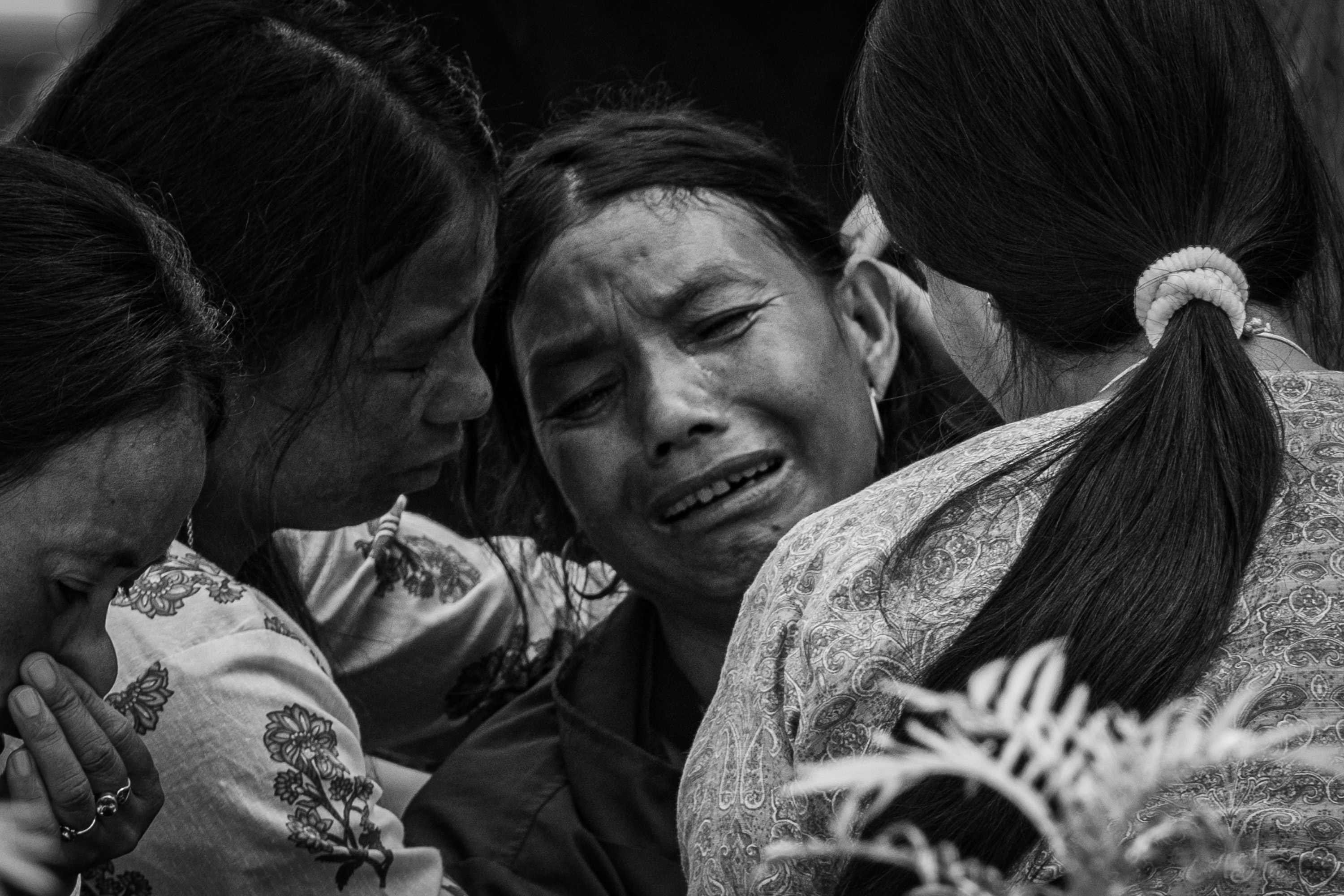
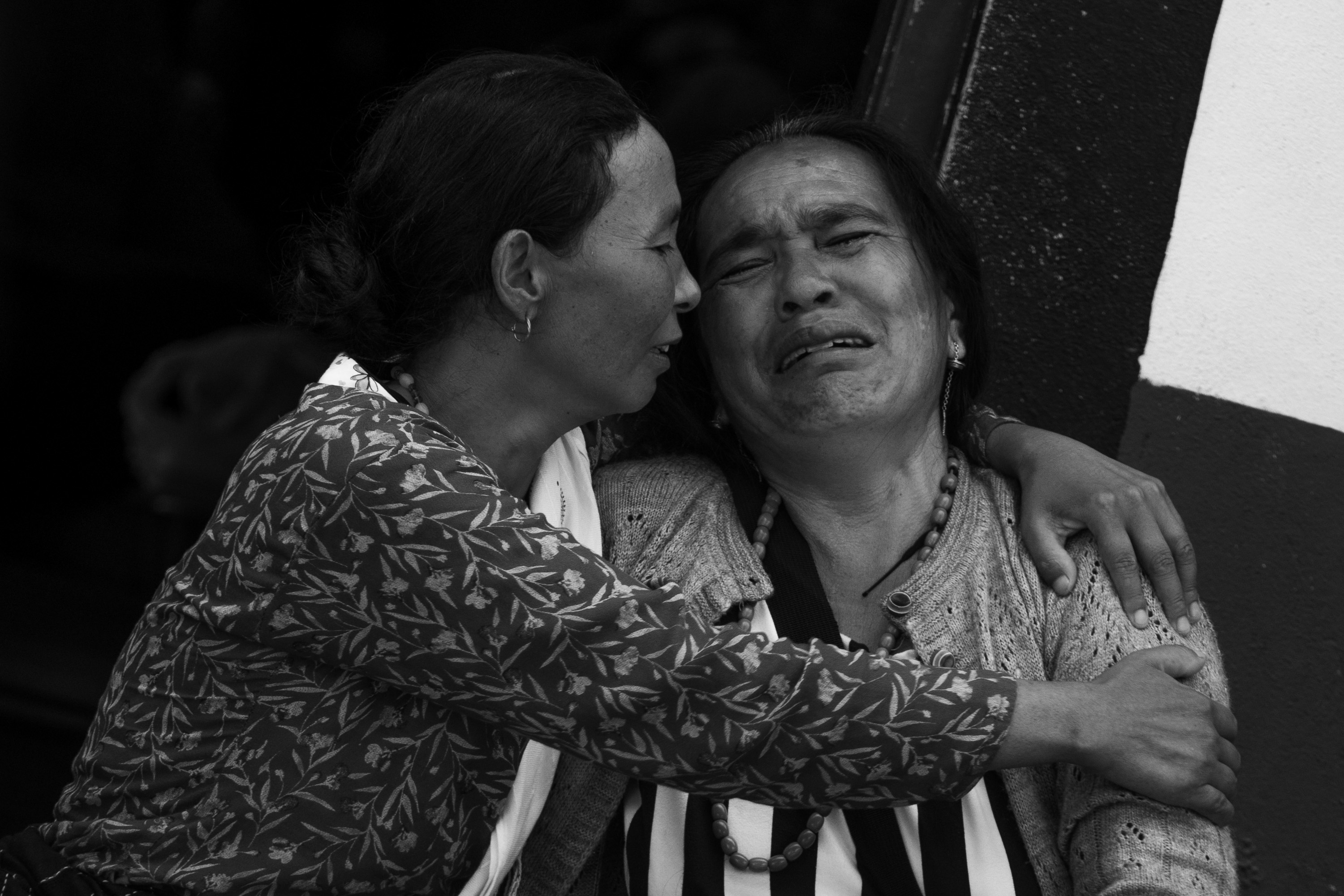
Tears streak down the faces of those who have lost much.

Tears streak down the faces of those who have lost much.

More than 1,400 lives have been claimed with nine Singaporeans unaccounted for among some 6,000 still missing.

As I exited Kathmandu’s airport, notebook and pen clutched in hand, eager to jot down observations on the trip, my mind kept telling me to “prepare for chaos”.

However, none of the tensions you expect when arriving in a country reeling from a disaster were apparent.

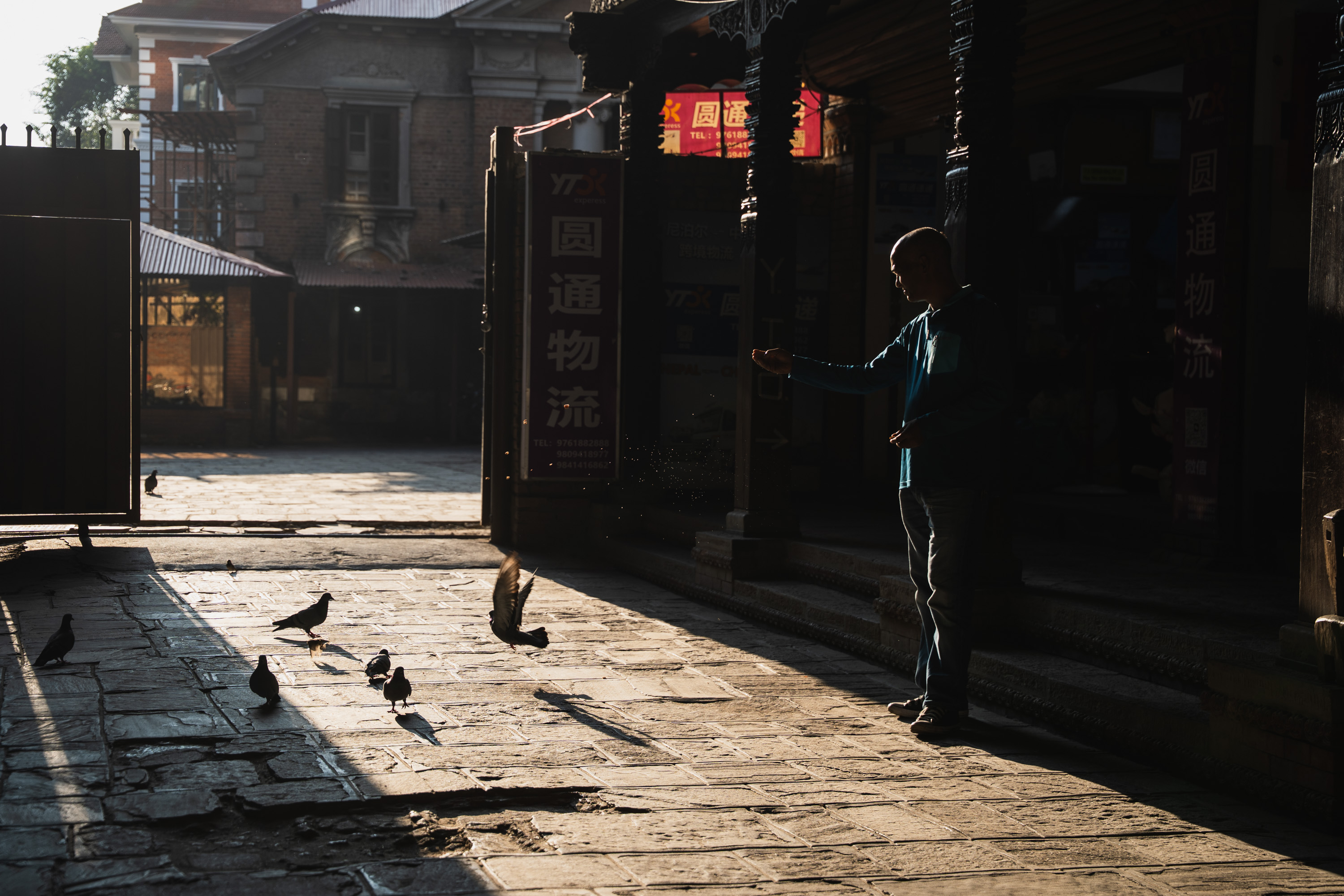
Illuminated by golden hour, several pigeons receive a snack by a passerby along Thamel Road in Kathmandu.

Illuminated by golden hour, several pigeons receive a snack by a passerby along Thamel Road in Kathmandu.

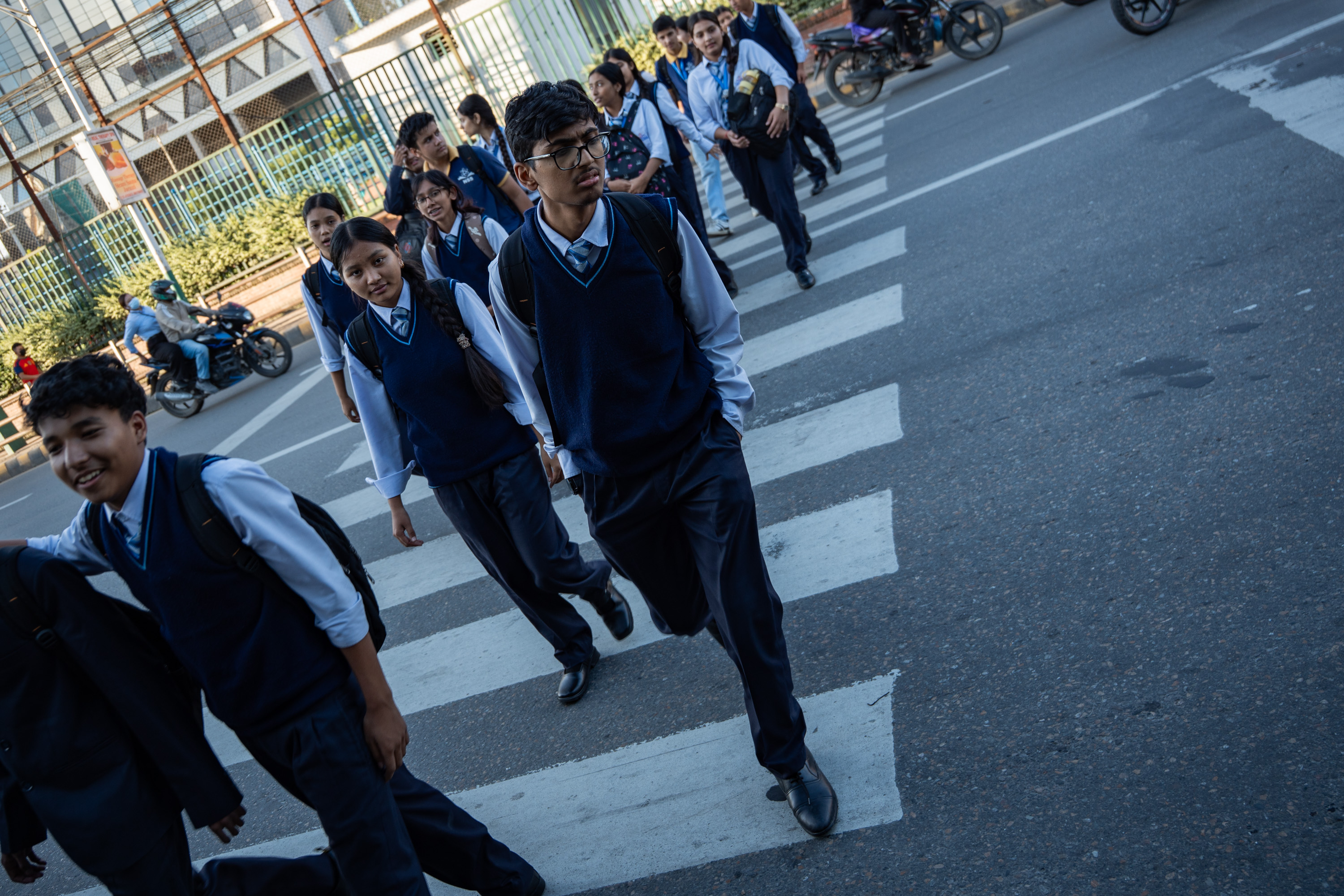
After a long day of school, students head home along Lekhnath Road.

After a long day of school, students head home along Lekhnath Road.

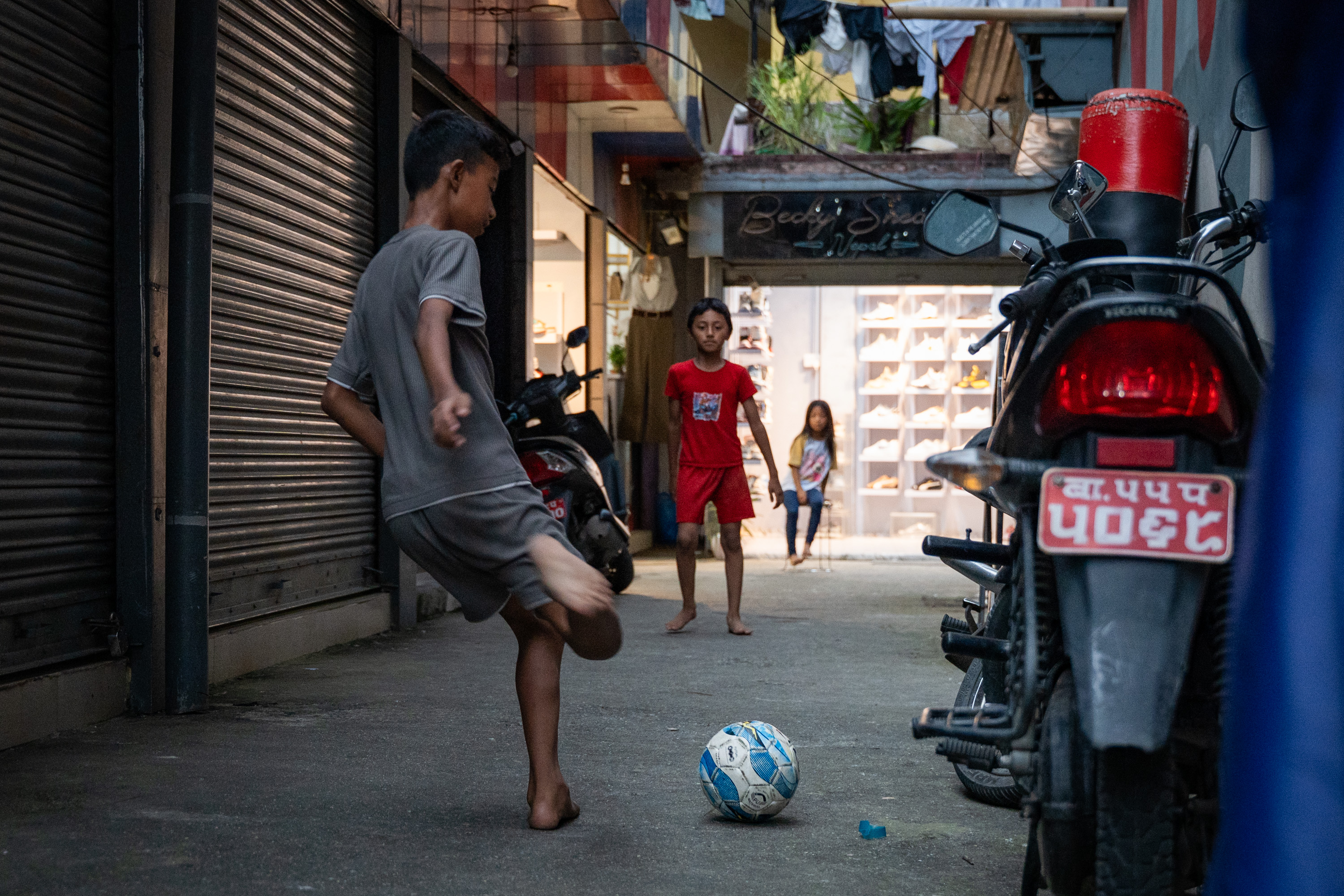
Children have a kickabout in the alleys of Hyatt-Boudha Road.

Children have a kickabout in the alleys of Hyatt-Boudha Road.

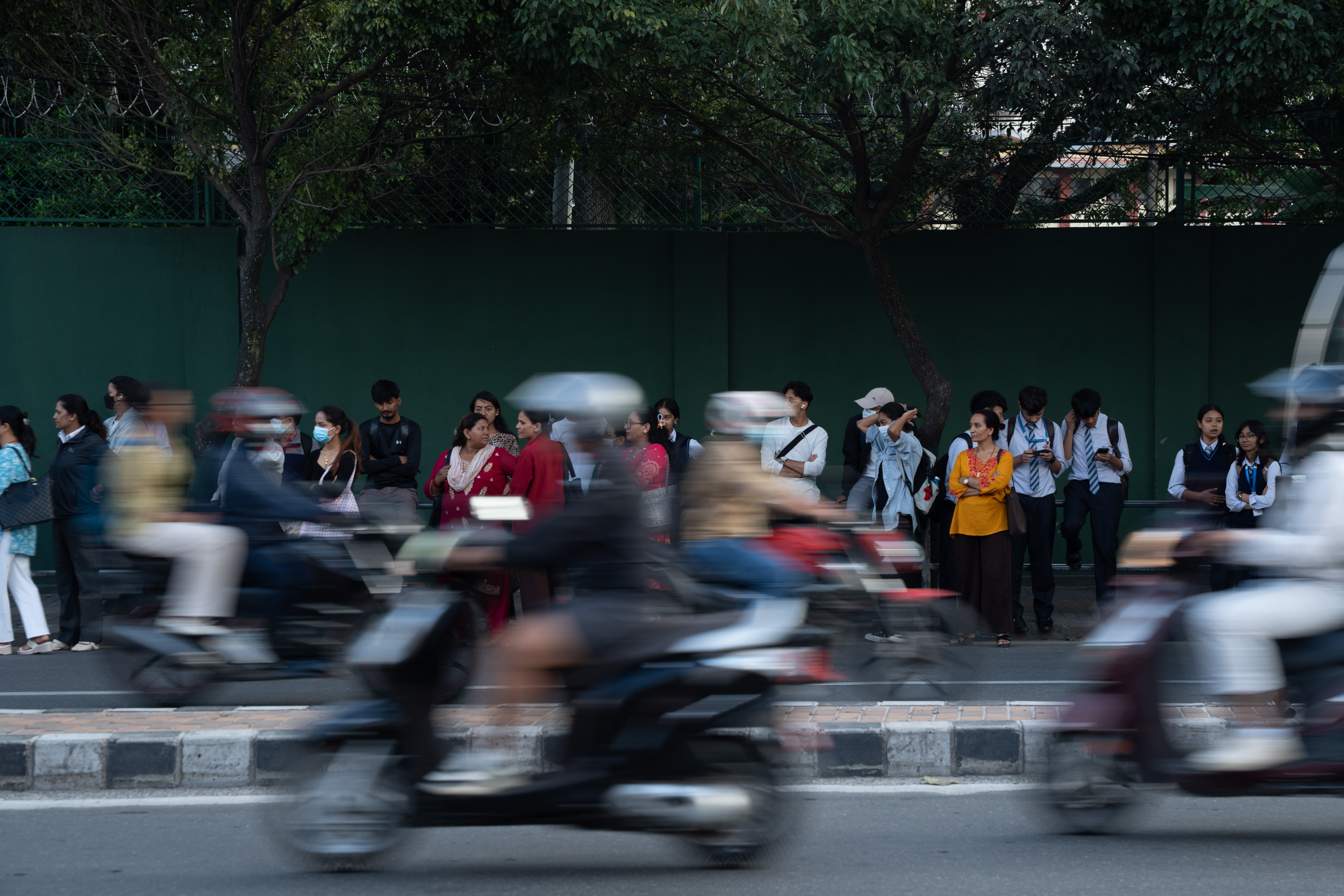
The streets of Kathmandu bustle with constant flow of traffic and residents eager to head home at the end of a day.

The streets of Kathmandu bustle with constant flow of traffic and residents eager to head home at the end of a day.

To a first-time disaster reporter, the capital felt deceptively tranquil.

In stark contrast to grim reports I read emerging from ground zero in the north, life seemed normal here.

Until I chatted with a security guard outside a local eatery.

He mentioned losing his sister to the floodwaters.

The city was not oblivious to the catastrophe at all. Its energetic streets were just a mask for the heartbreak quietly echoing through many households.

As my colleague and I disembarked our vehicle at the edge of Trishuli Bazaar, the smell of moist mud and gravel filled the air.

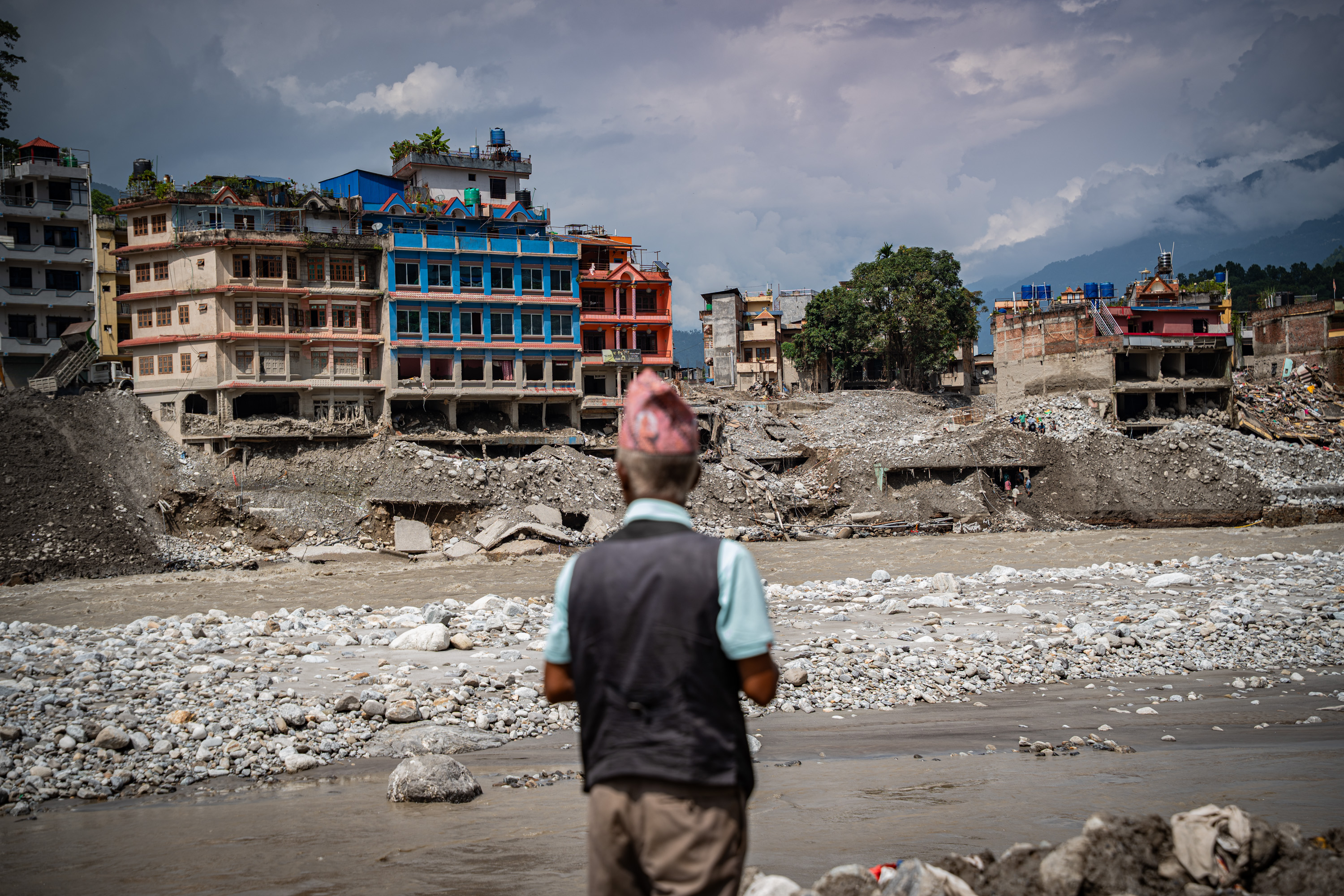
Three weeks since the disaster ripped through the valley, what was in front of me would be best described as a scene of grief.

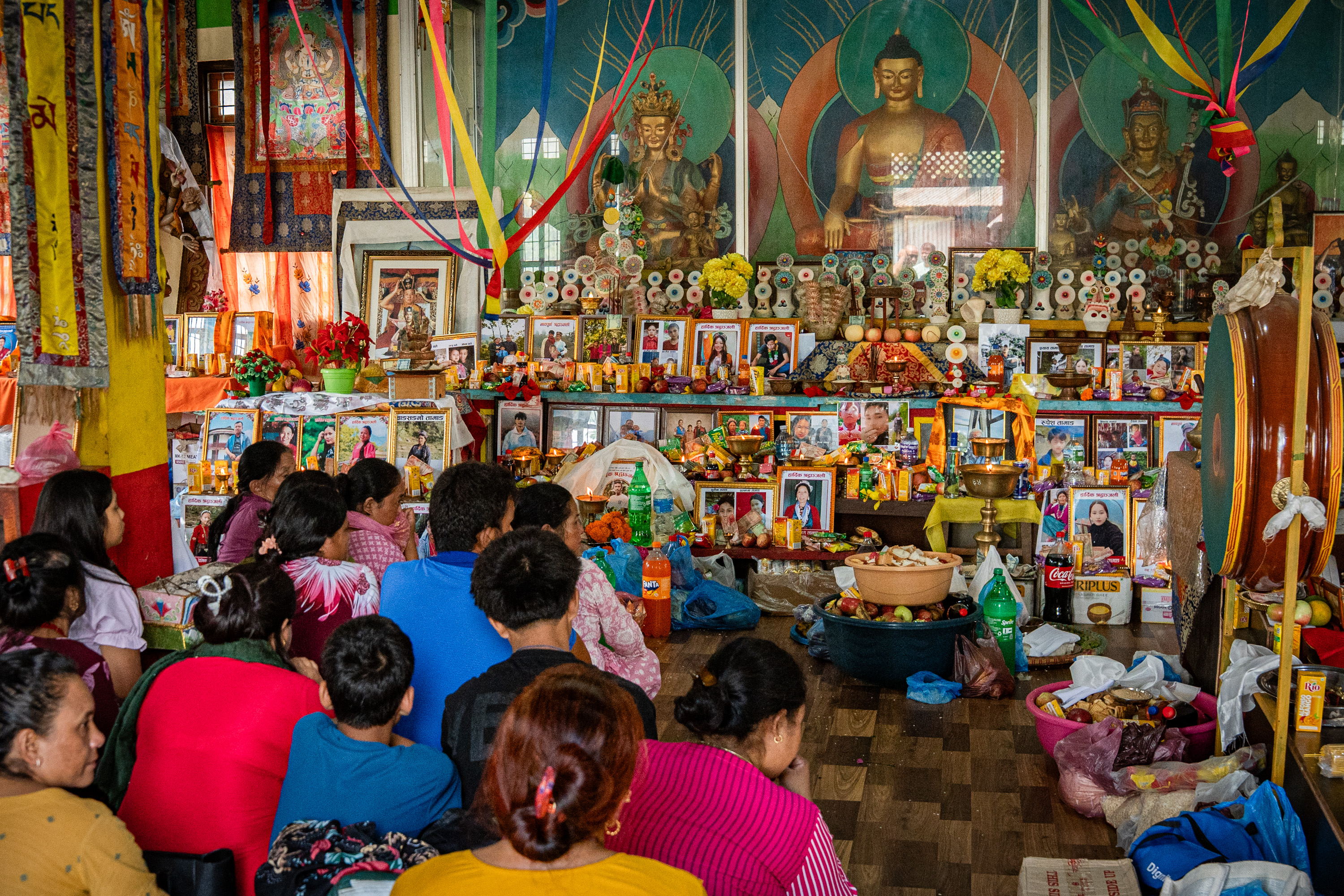
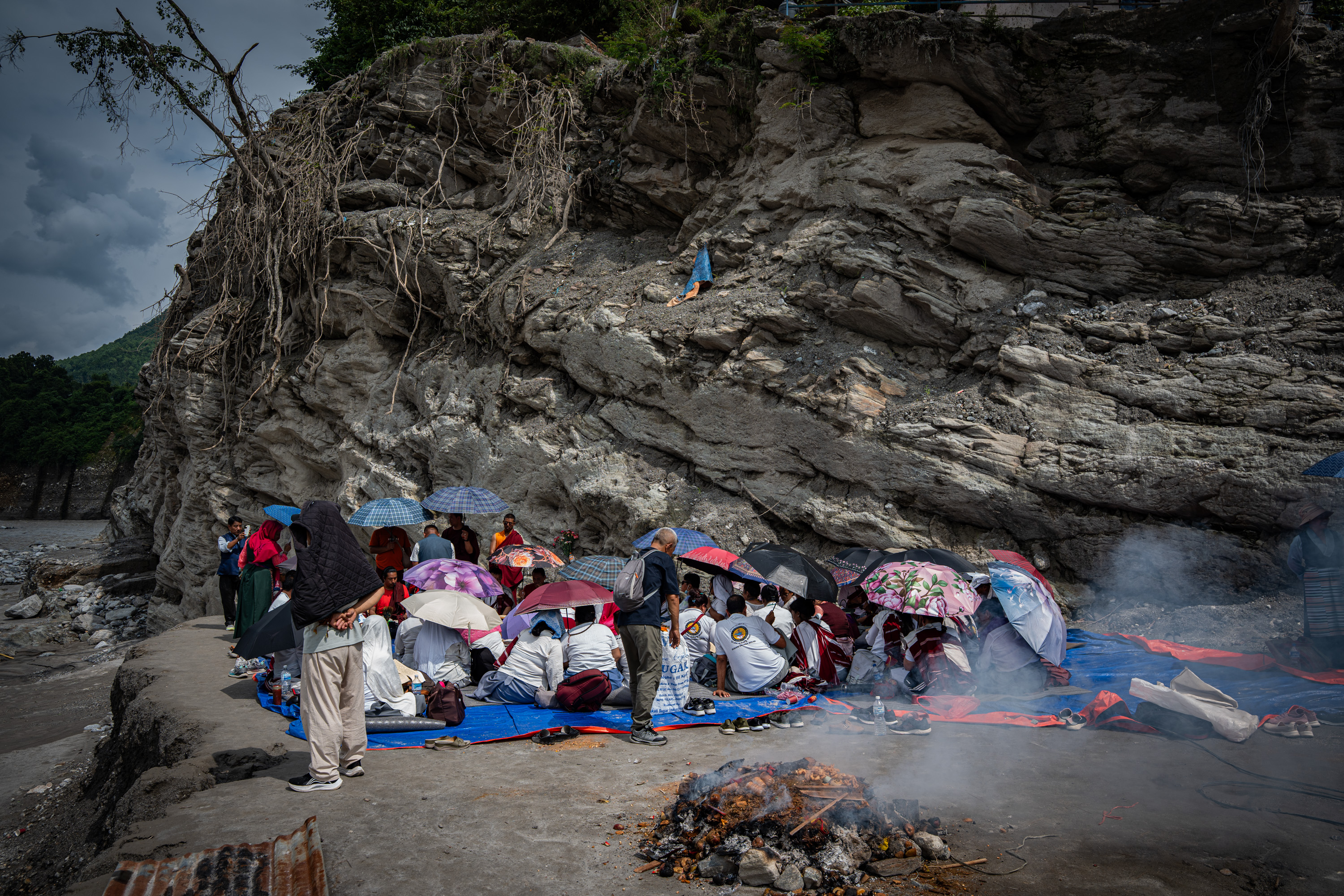
Heartbroken families in Trishuli come together at a monastery to pray and conduct funeral rites for relatives swept away by the floods. Although their fate officially remains unknown, loved ones hold the rituals in hope of granting peace to those who might have died

“If we cannot find the bodies to cremate them, we make figures that have limbs, something like a doll, out of kusha grass, and burn those instead to represent their funeral, hoping that it will bring them peace,” said Chudamani Barakoti, Managing Director of The Great Adventure Treks & Expedition.
For some, closure only comes when bodies or body parts with identifiable tattoos are found washed up in neighbouring India.

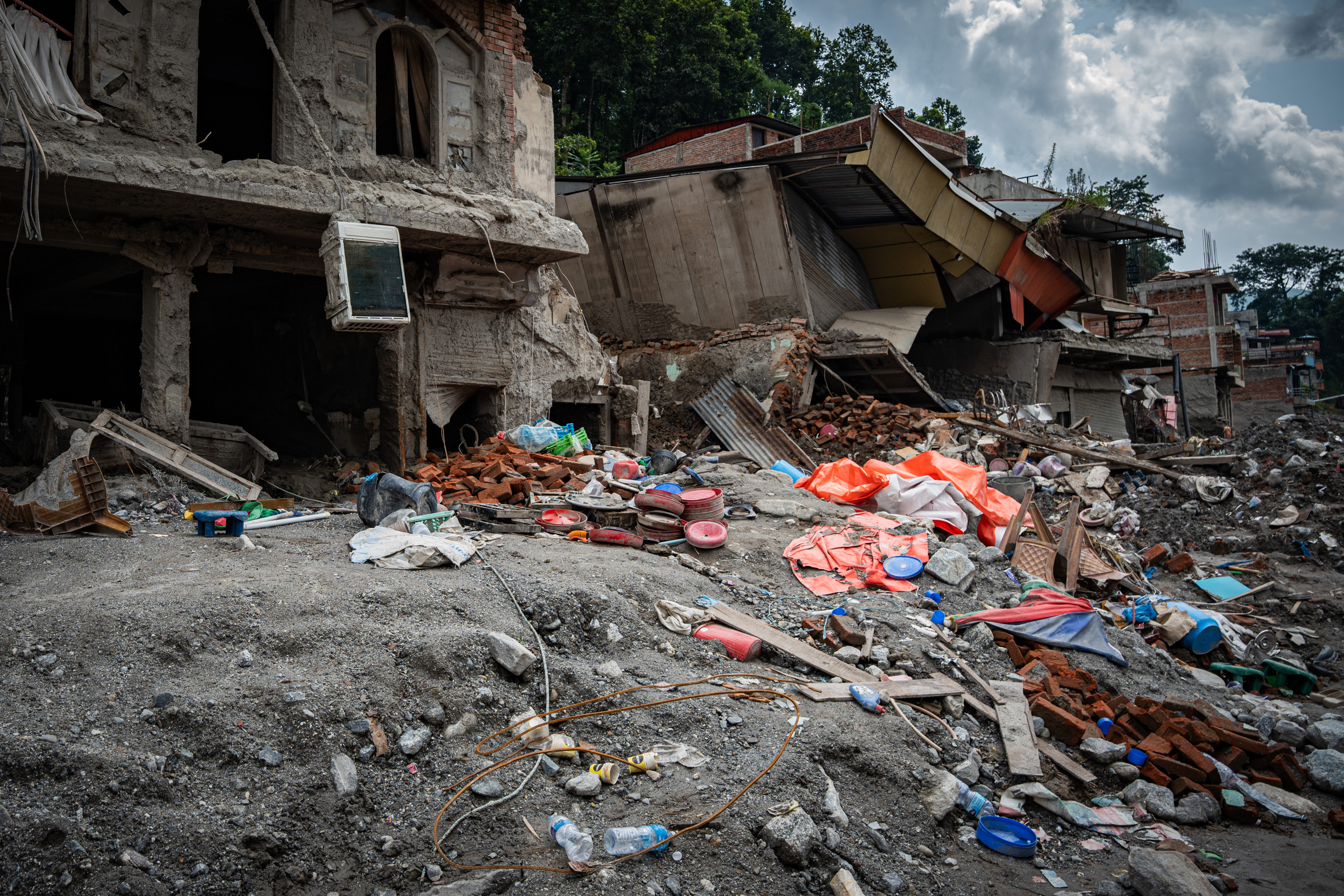
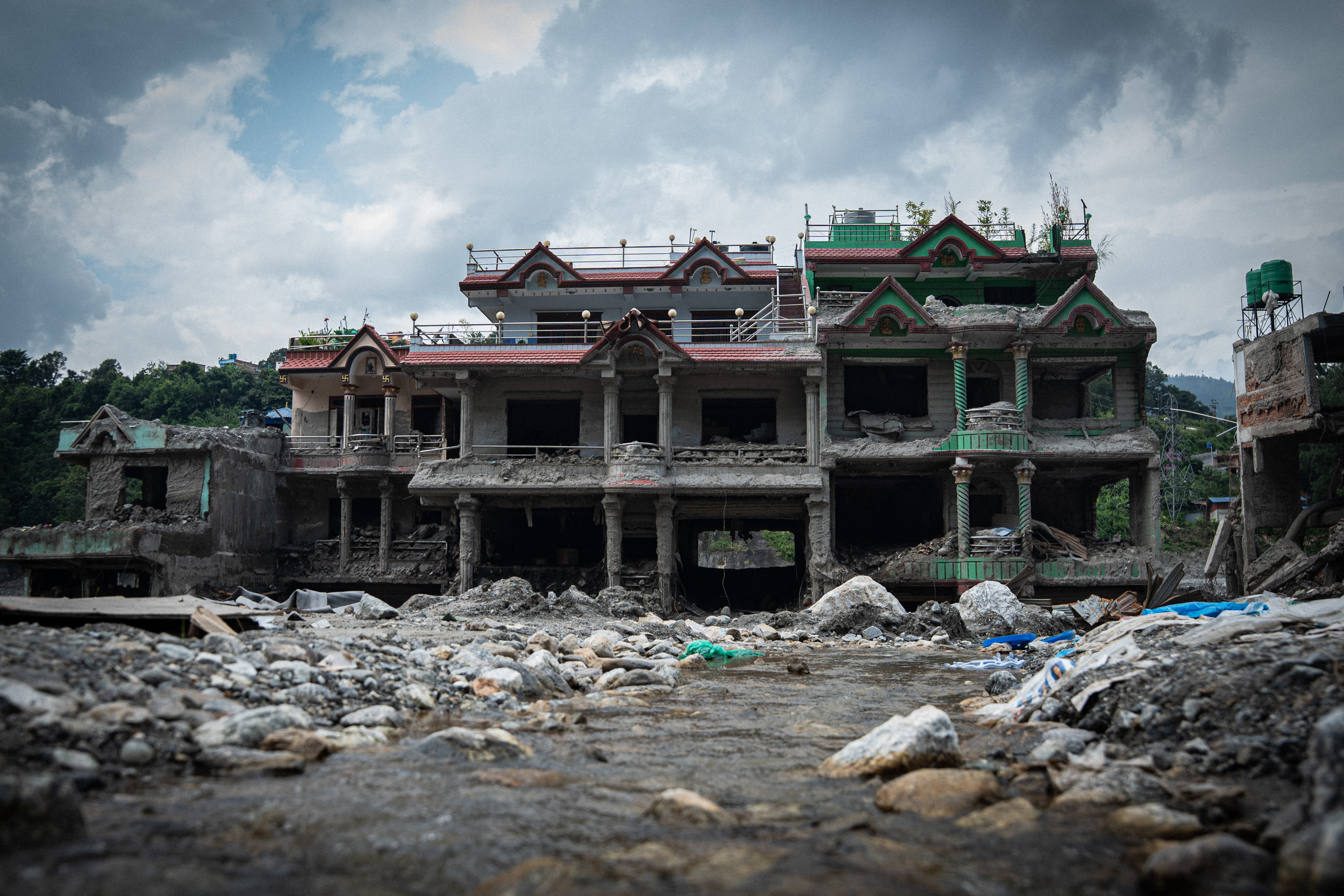
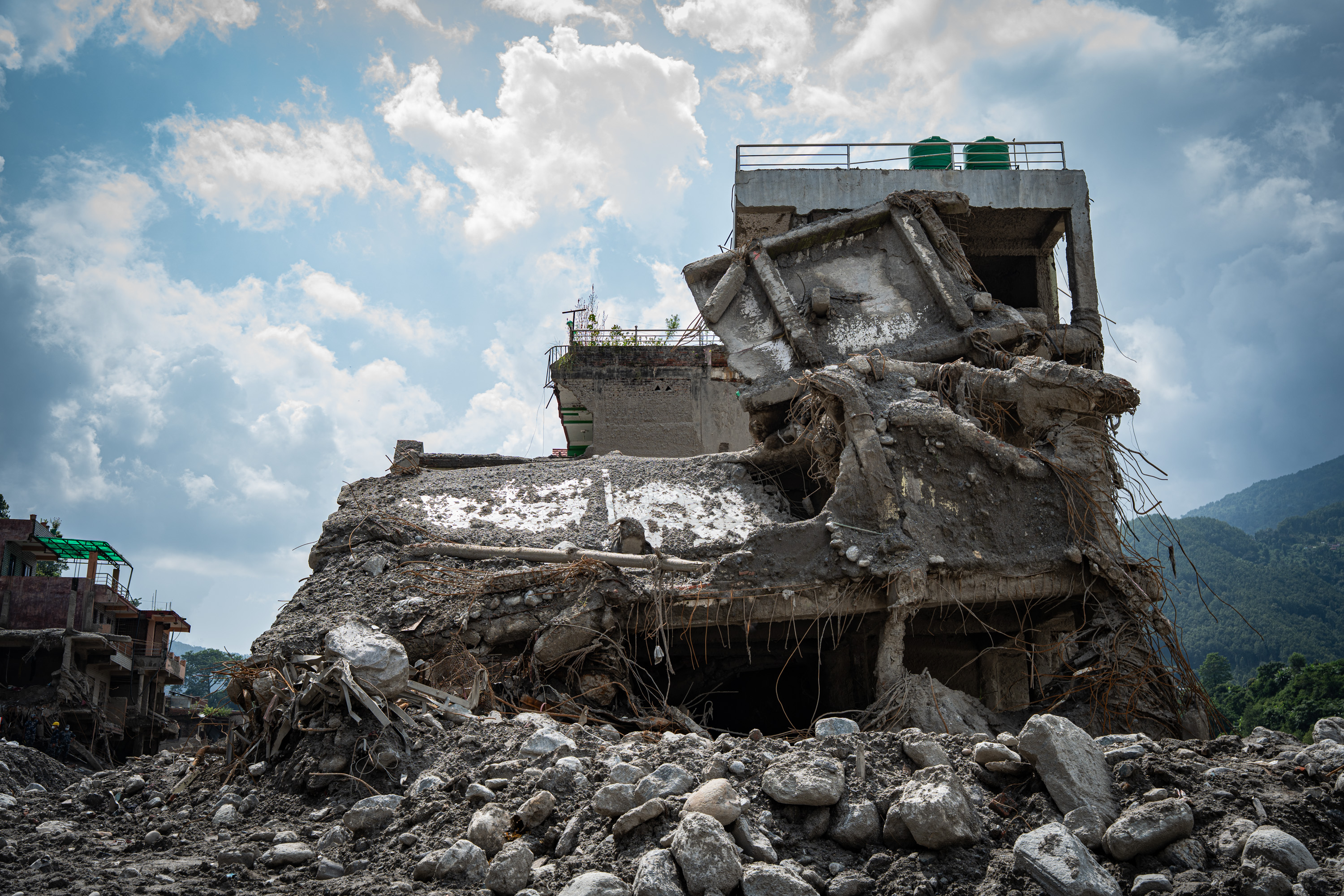
Walking through the barren and cratered grounds where homes once stood, it was a reminder of the sheer force the waves of destruction carried that day.

“Only four seconds to run. The water came down at about 160kph,” said Gopal Thapa, a tour director at Leaf Holidays Treks and Exhibitions, who spoke with AsiaOne in a separate interview.


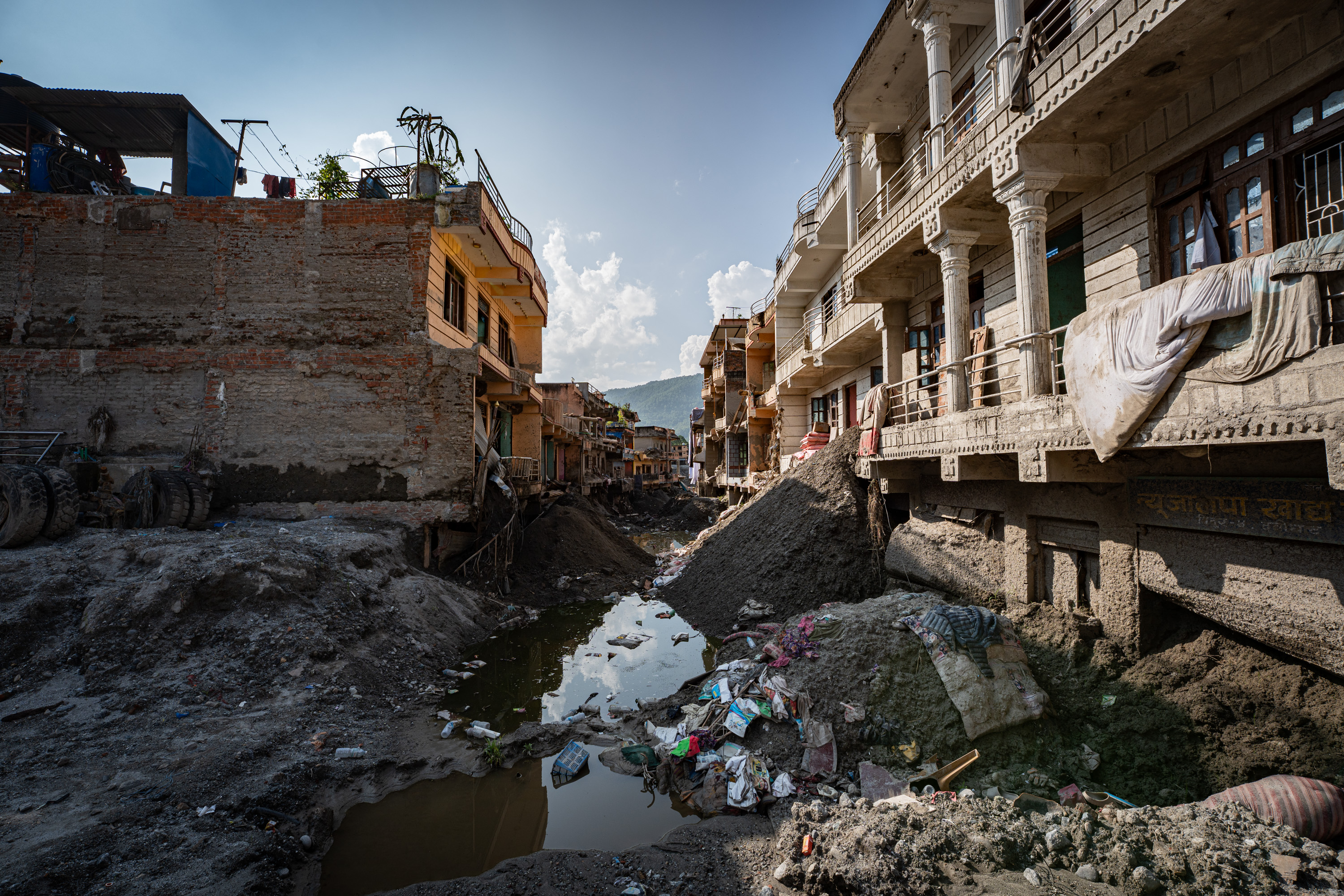
As I walked past buildings that have now become shells filled with mud and debris, I could not help asking myself: “could the residents have expected such a disaster coming their way?”

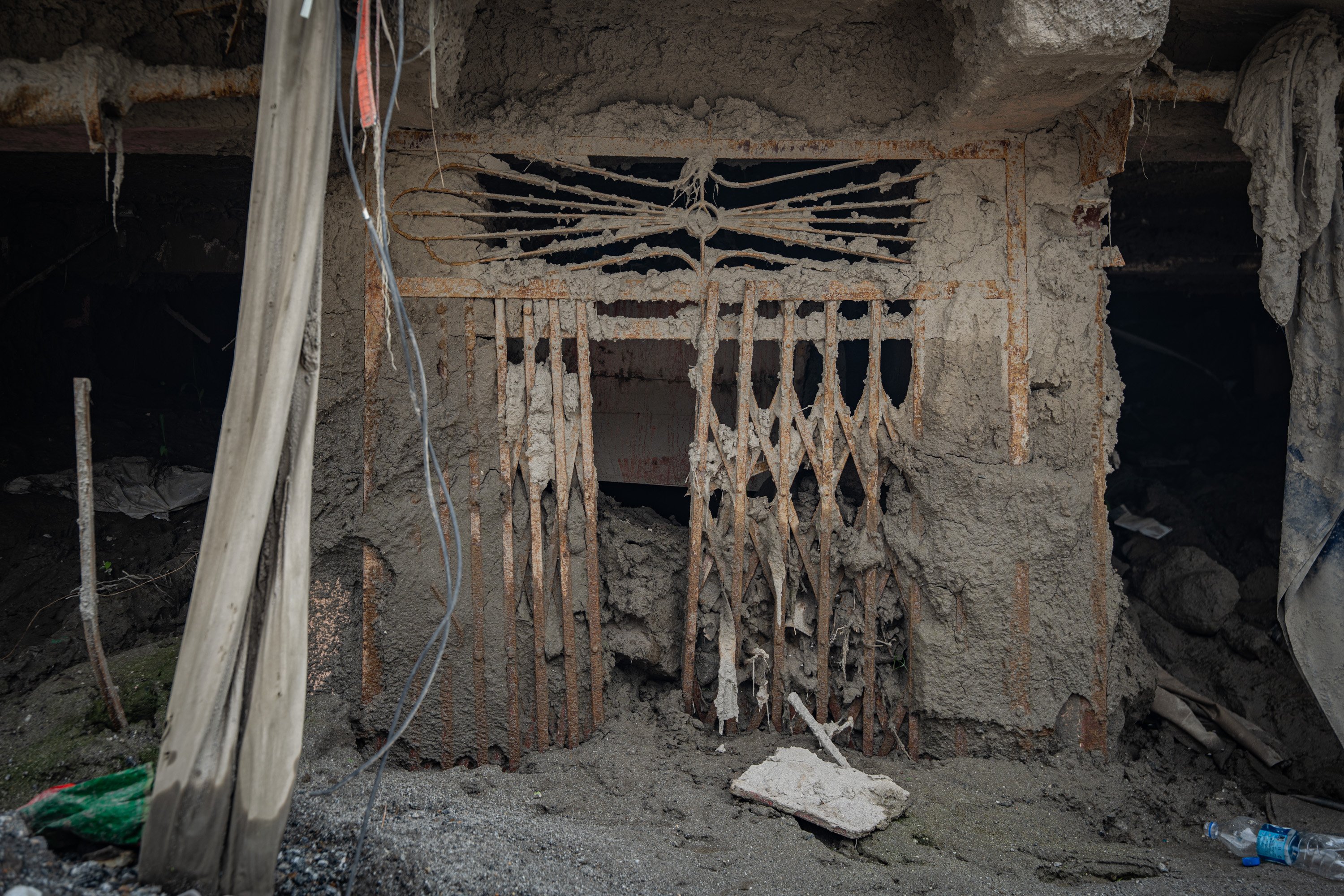
An entrance that once welcomed people is now blocked by mud and debris.

But, I also bore witness to, during grief, the people’s unwavering spirit to rebuild their hearts and their homes.

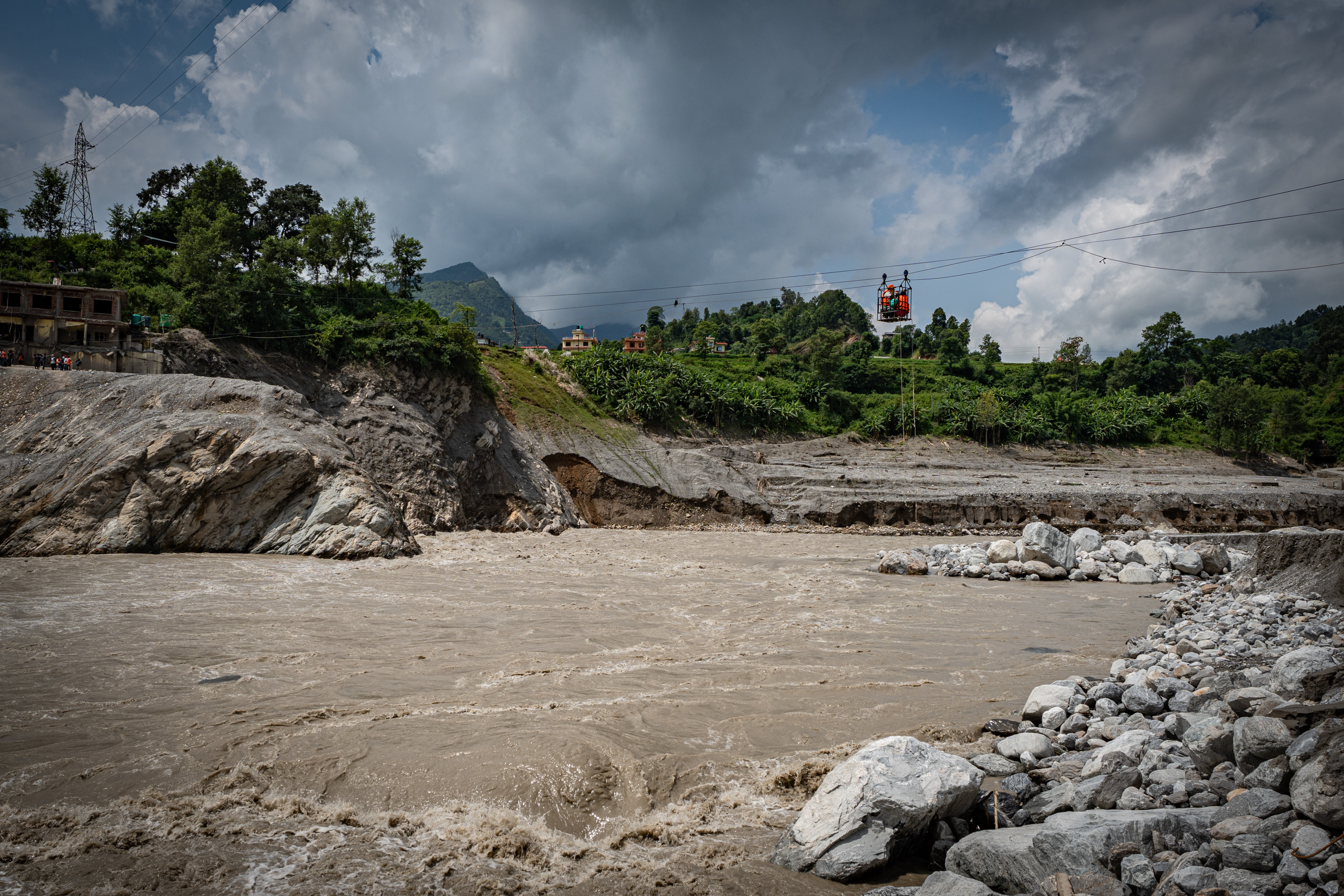
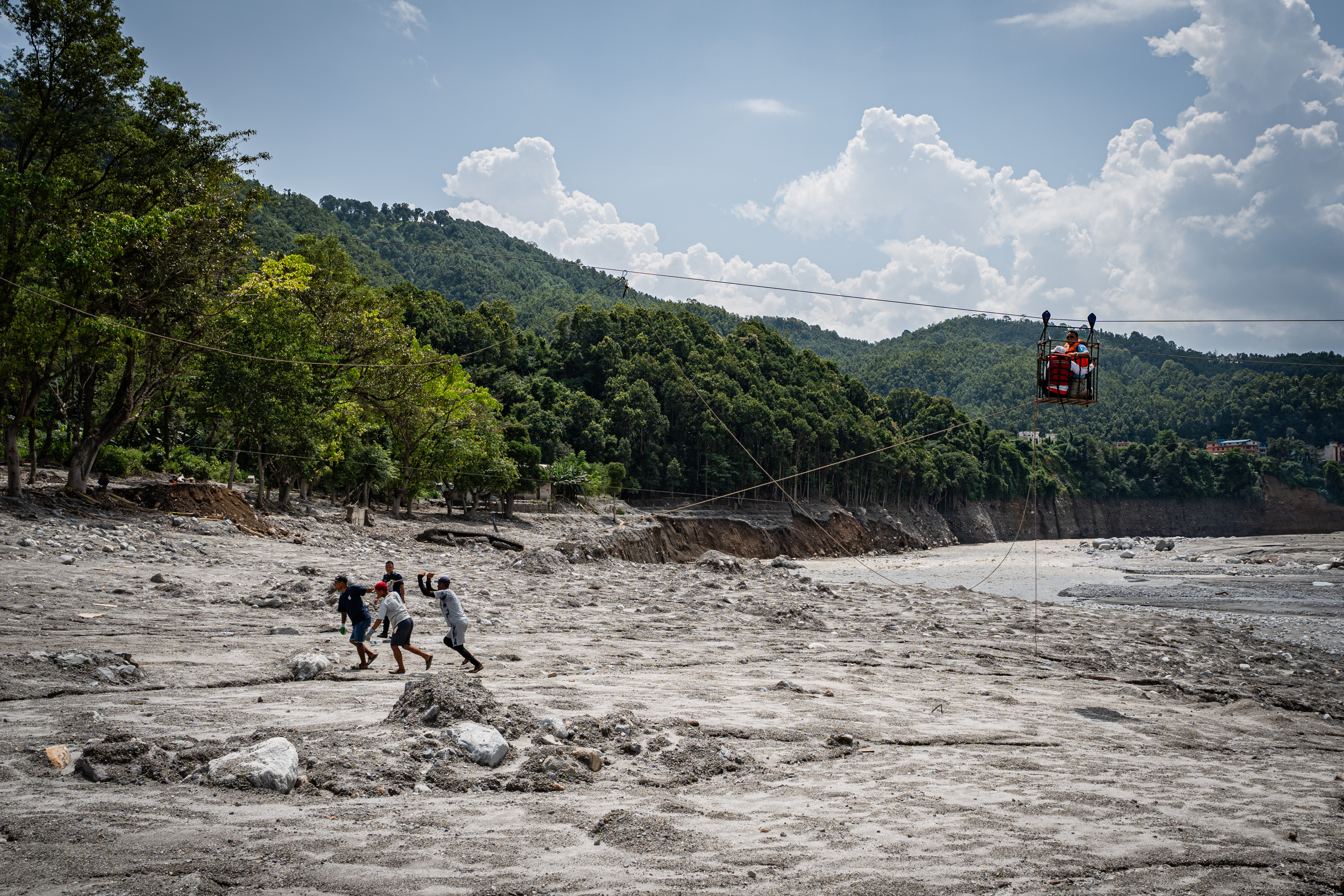
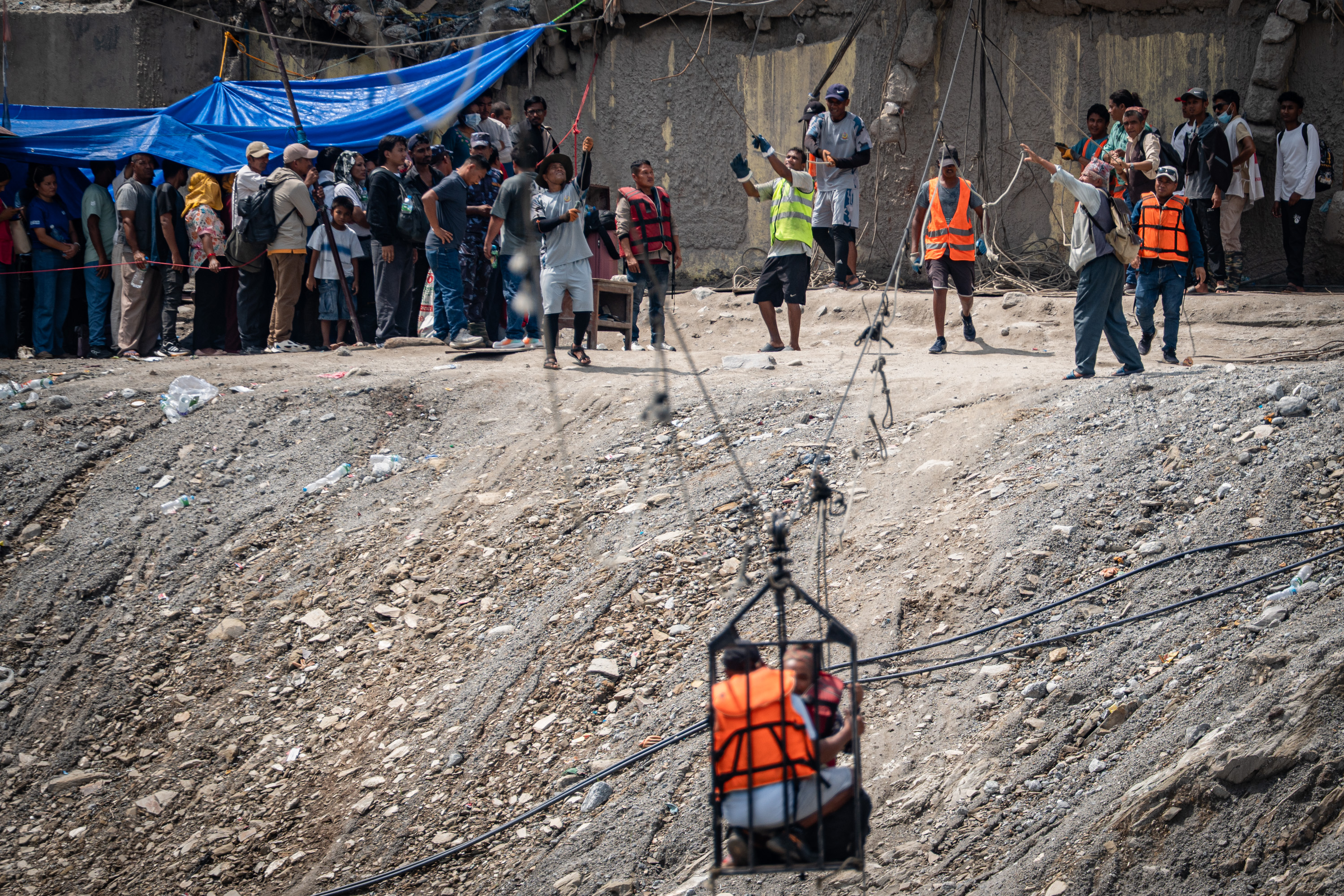
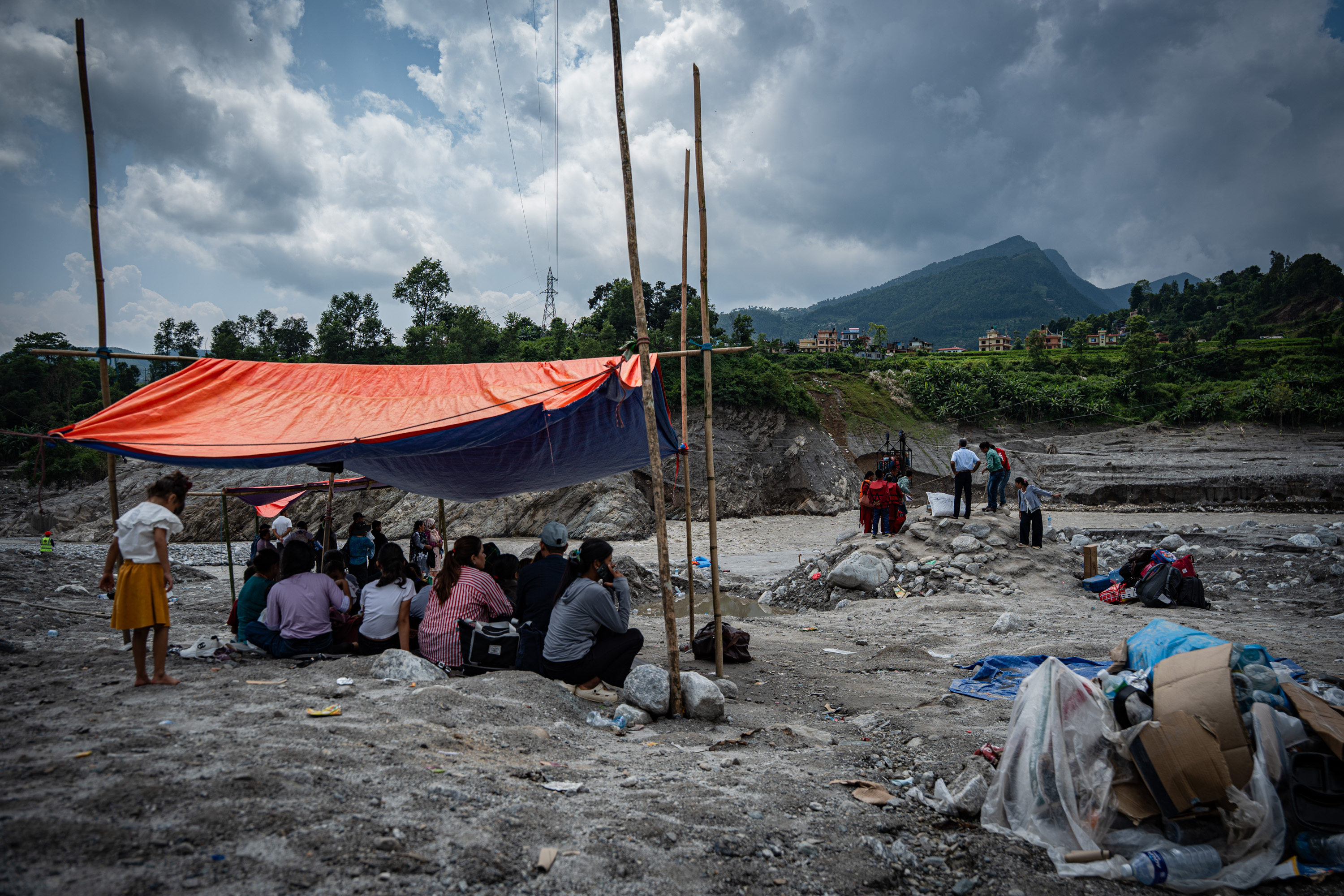
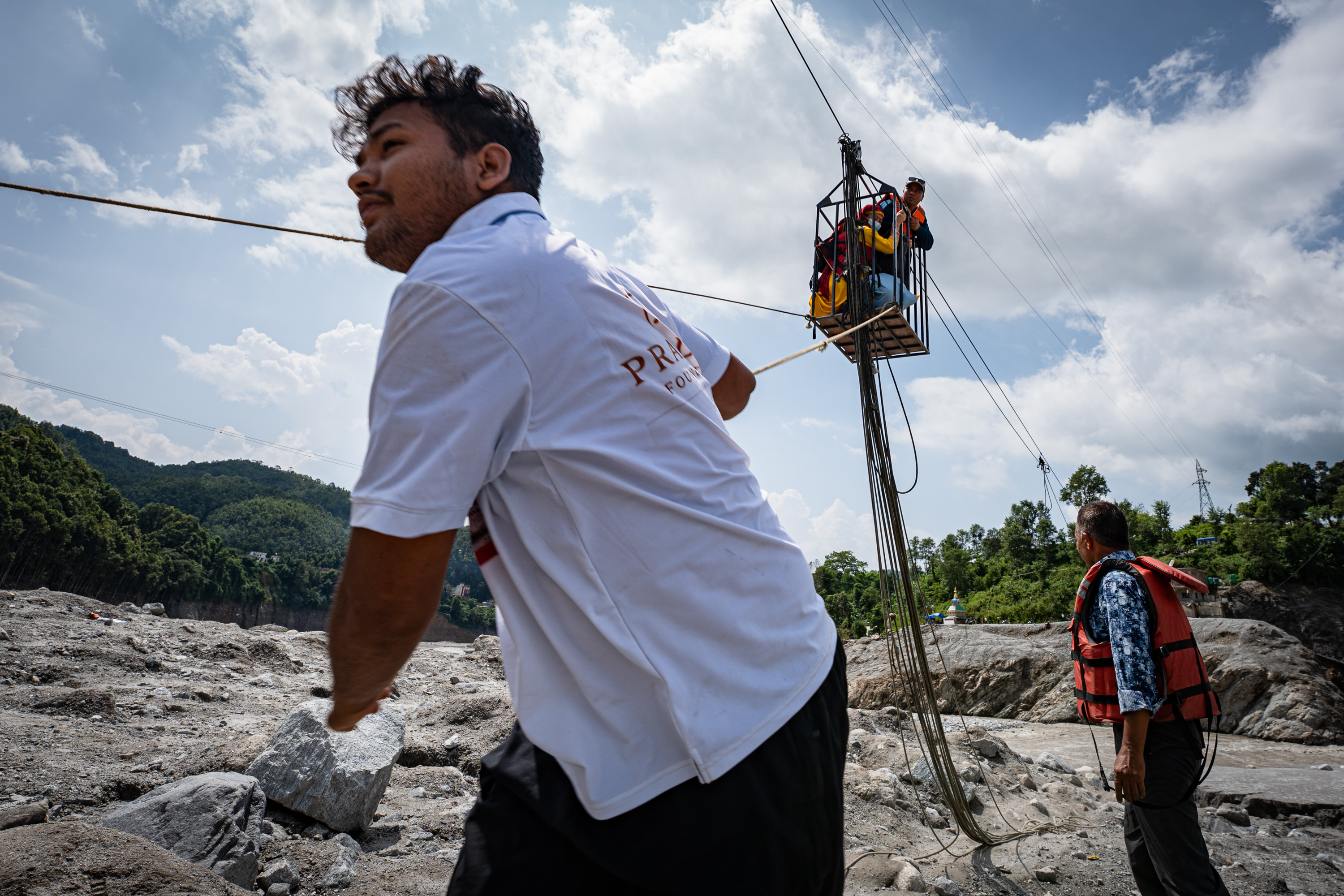
A 230m zipline replaced the bridge linking lower and upper Trishuli that was shattered by the waves of Aug 26. Locals now ride improvised gondolas to travel from one end to another, clinging onto supplies and even children.
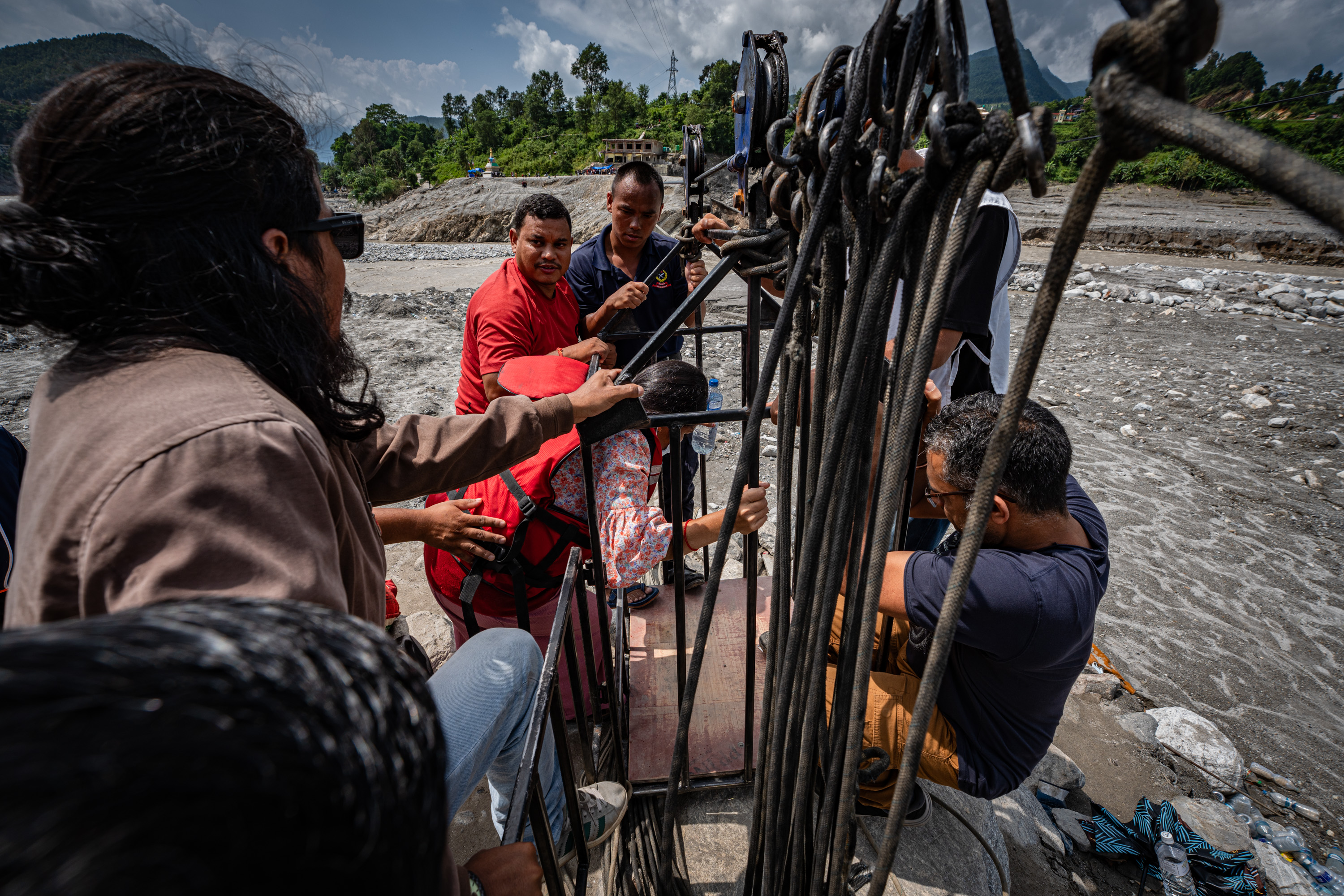
The loving embrace of a husband reassures his pregnant wife, who requires medical attention.

The loving embrace of a husband reassures his pregnant wife, who requires medical attention.

The gondola is held down by the weight of six men to make it safe for the pregnant woman to board.

The gondola is held down by the weight of six men to make it safe for the pregnant woman to board.

At lower Trishuli, volunteers run from the riverbank up makeshift platforms to help pull passengers ashore.

At lower Trishuli, volunteers run from the riverbank up makeshift platforms to help pull passengers ashore.

At upper Trishuli, volunteers risk a steep drop to help pull passengers towards them.

At upper Trishuli, volunteers risk a steep drop to help pull passengers towards them.

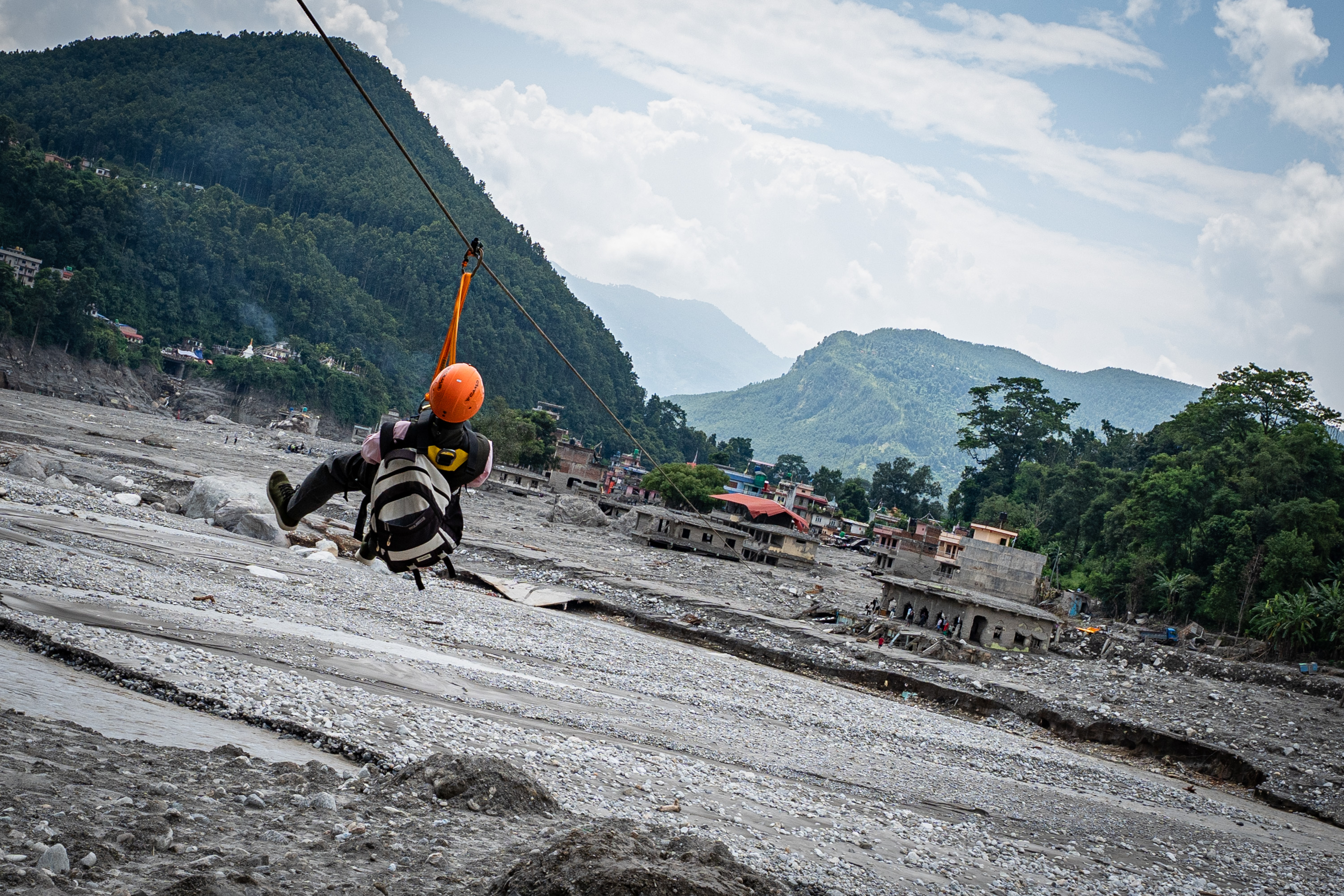
For the brave, they could zip across the flowing river while dangling on a harness.
Residents of Trishuli Bazaar await their turn to cross the river in intervals of 15 to 20 minutes for each passage.

With pages of my notebook filled with stories of loss and survival, I thought I had seen the worst of the disaster.

But arriving at Devighat brought a different kind of reality into focus.

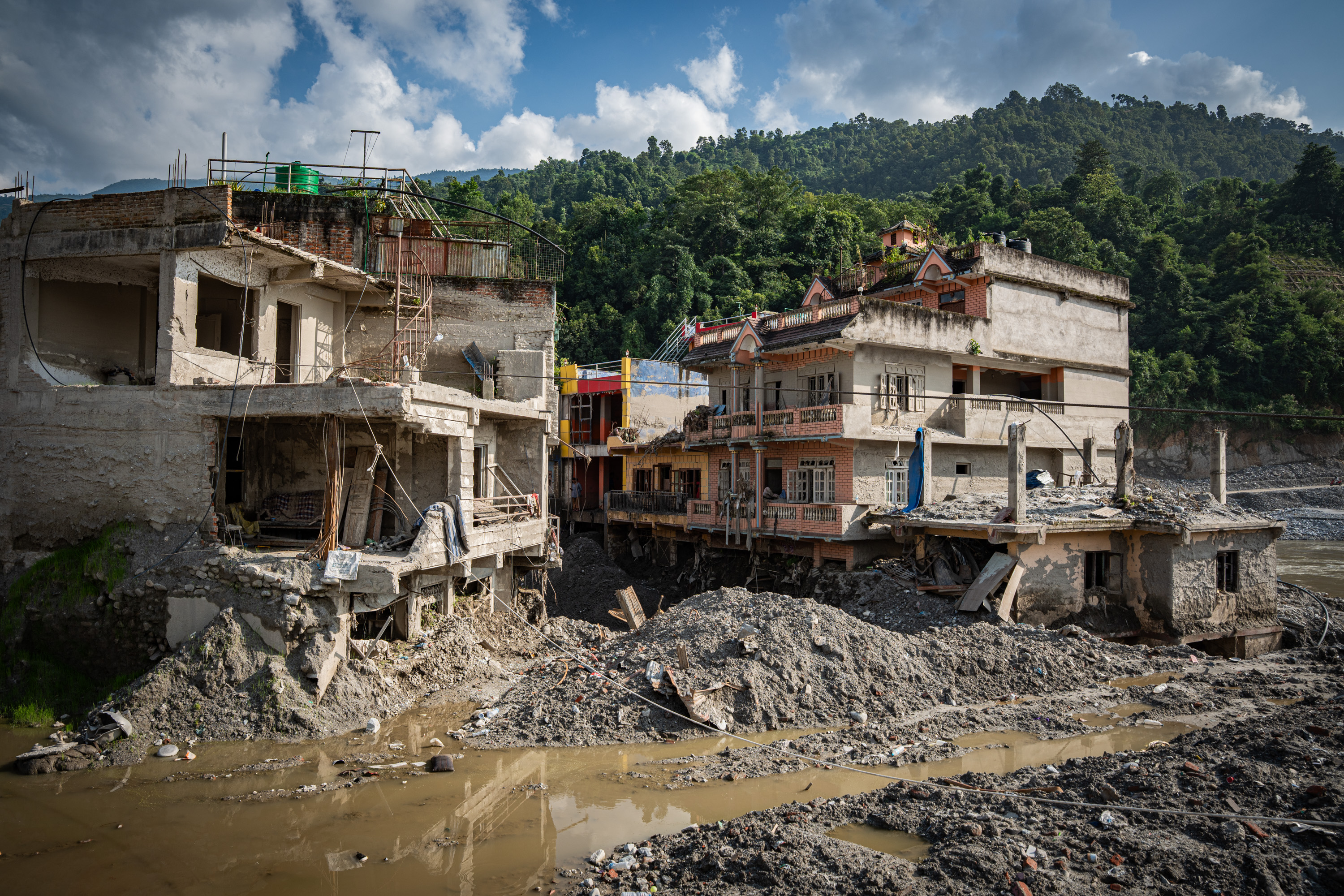
From above, the entire town seemed to have been swallowed by the floods.


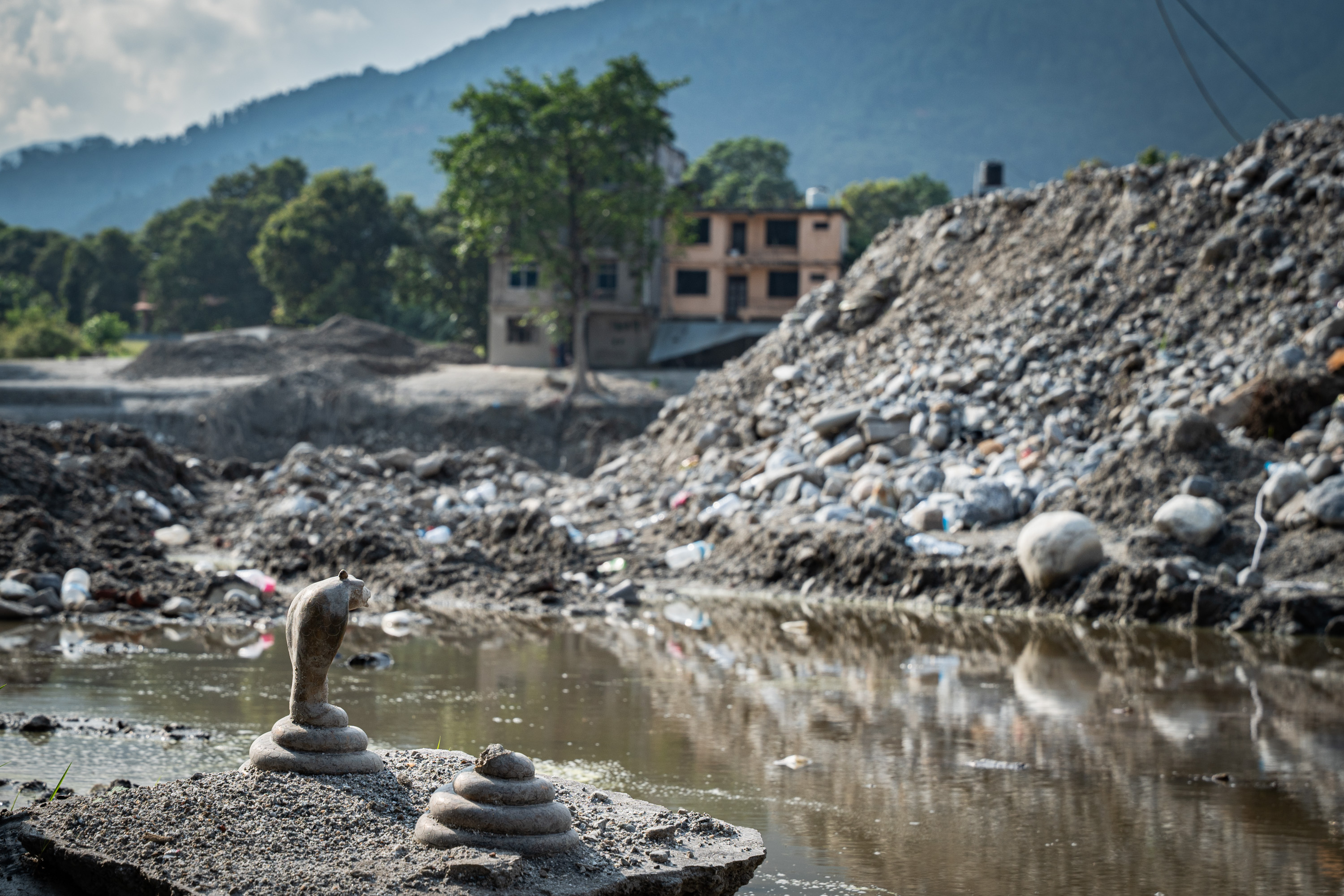
The locals of Devighat revere the Serpent Naga as divine protector of the river. Here the statue of it stares at the ravaged land where its temple once stood.
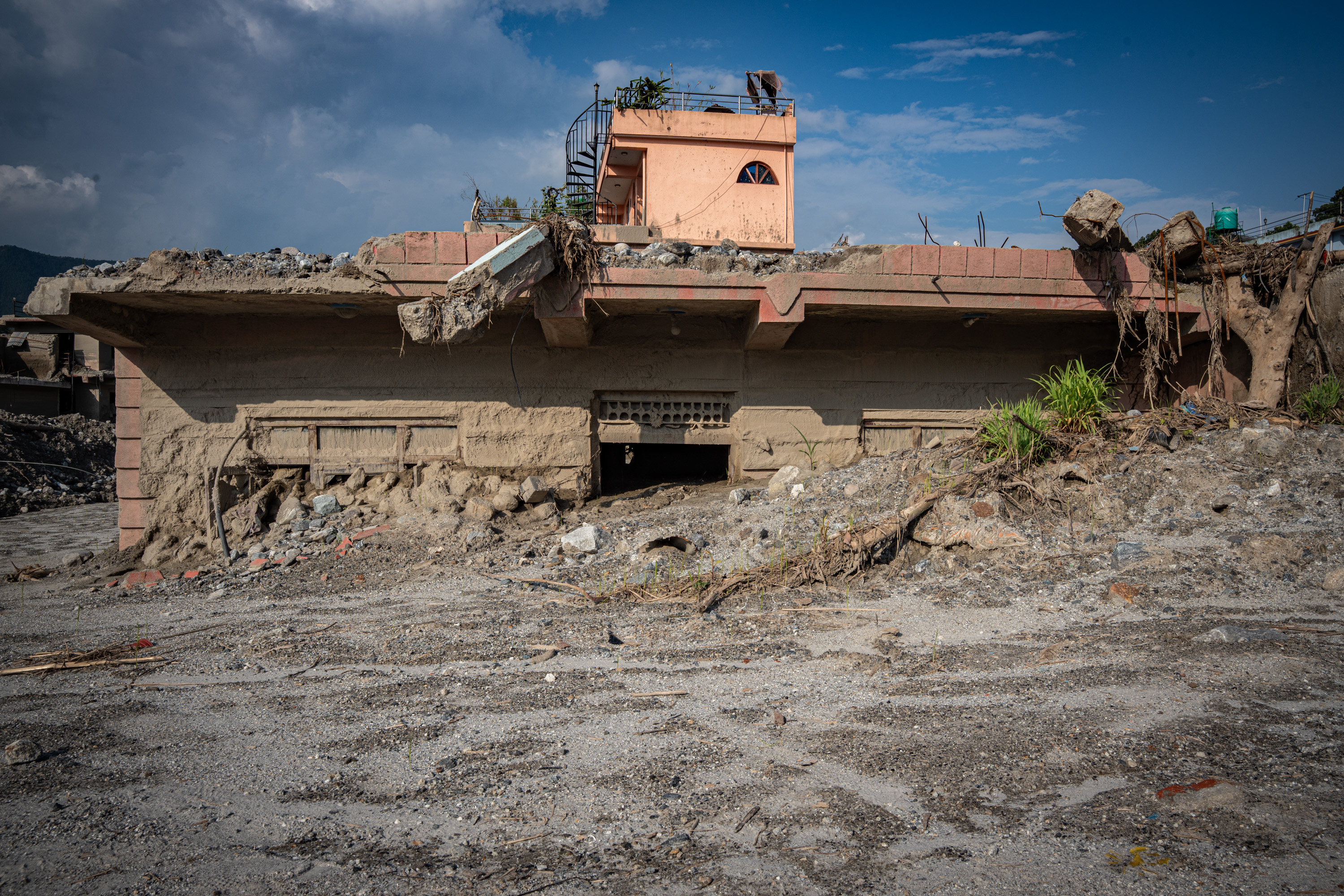
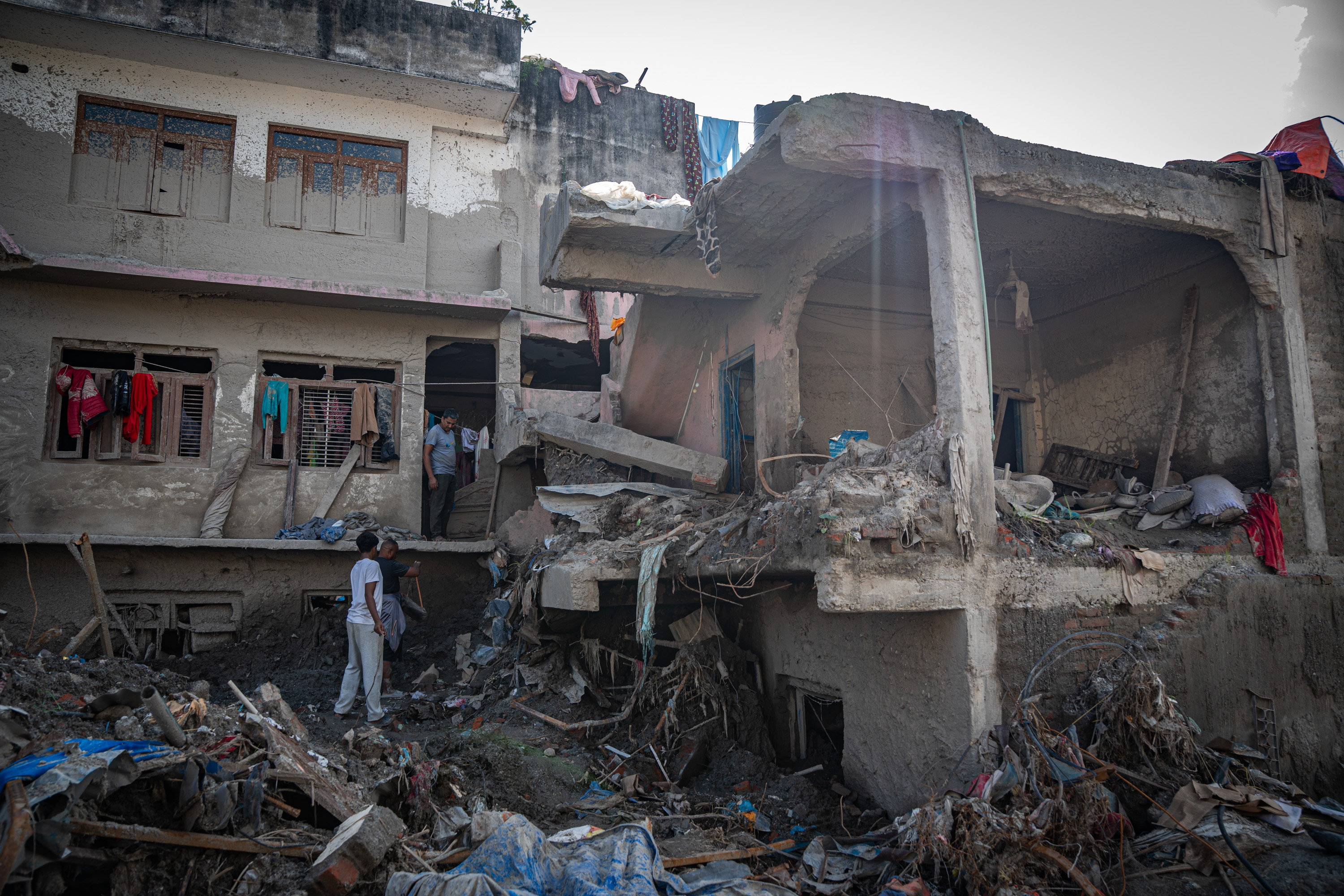
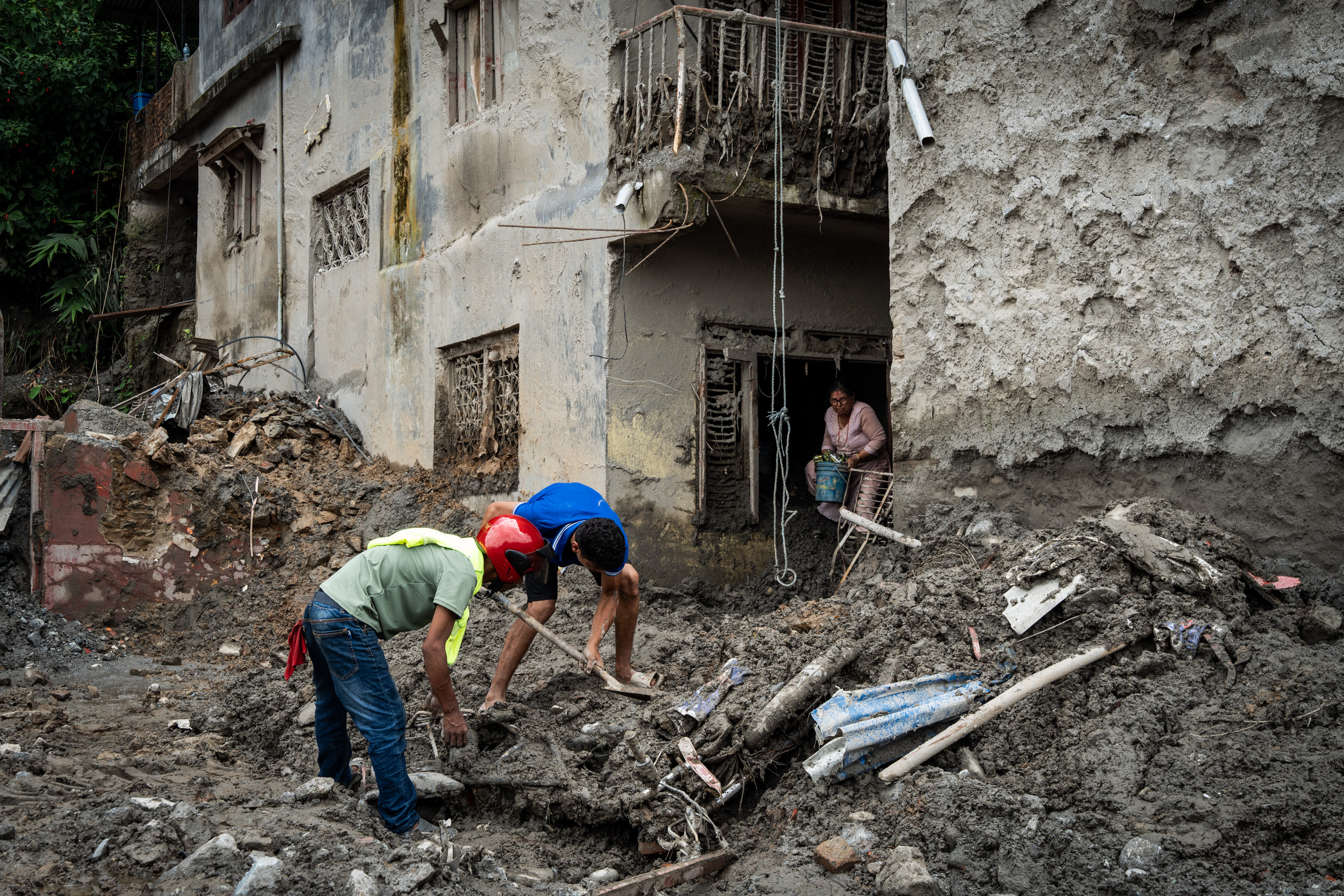
A building in Devighat had its second storey ripped off while the ground floor was engulfed by mud and gravel.

Stepping into the wreckage to see more for myself, I was not prepared for the sudden emotions that would overcome me.


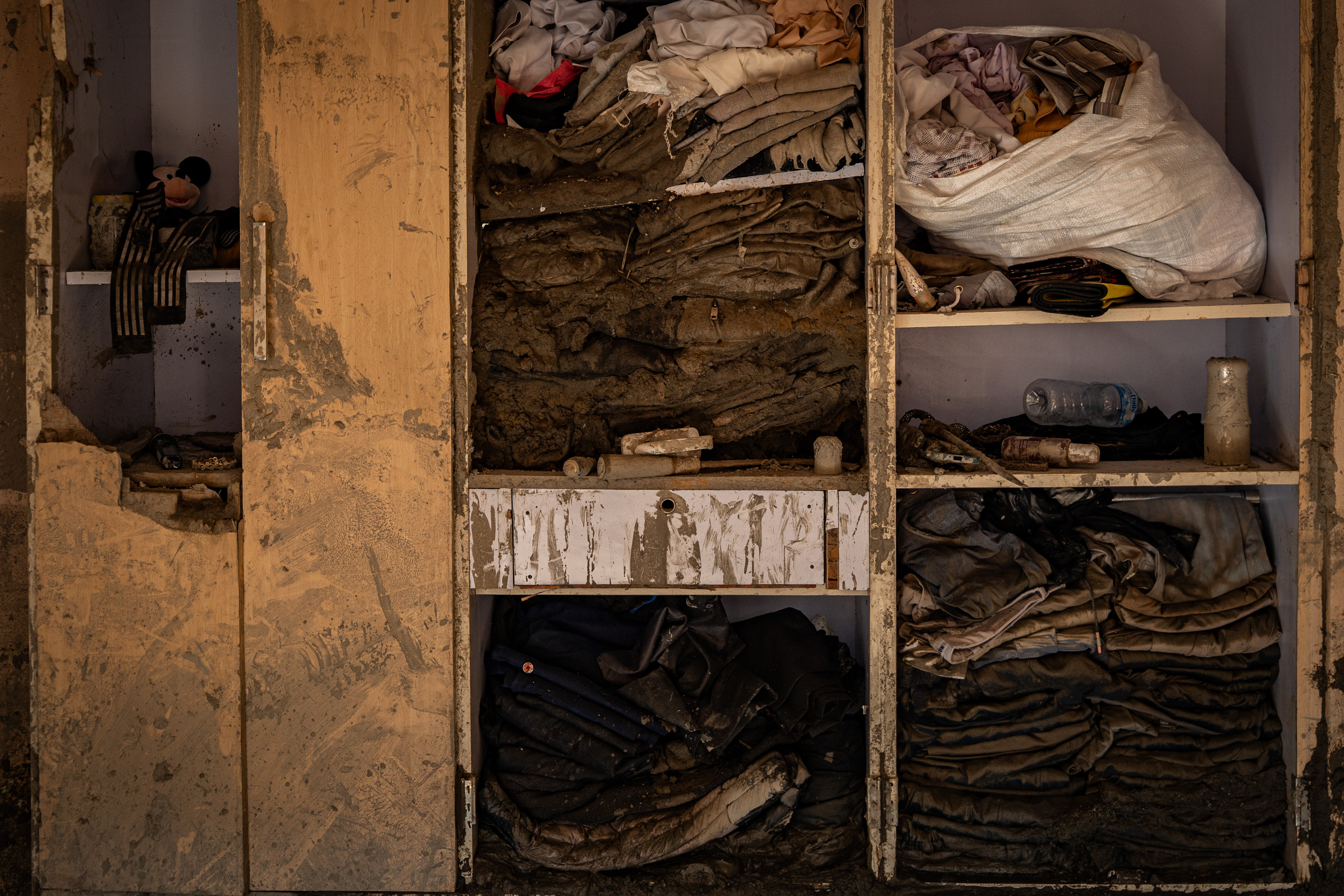
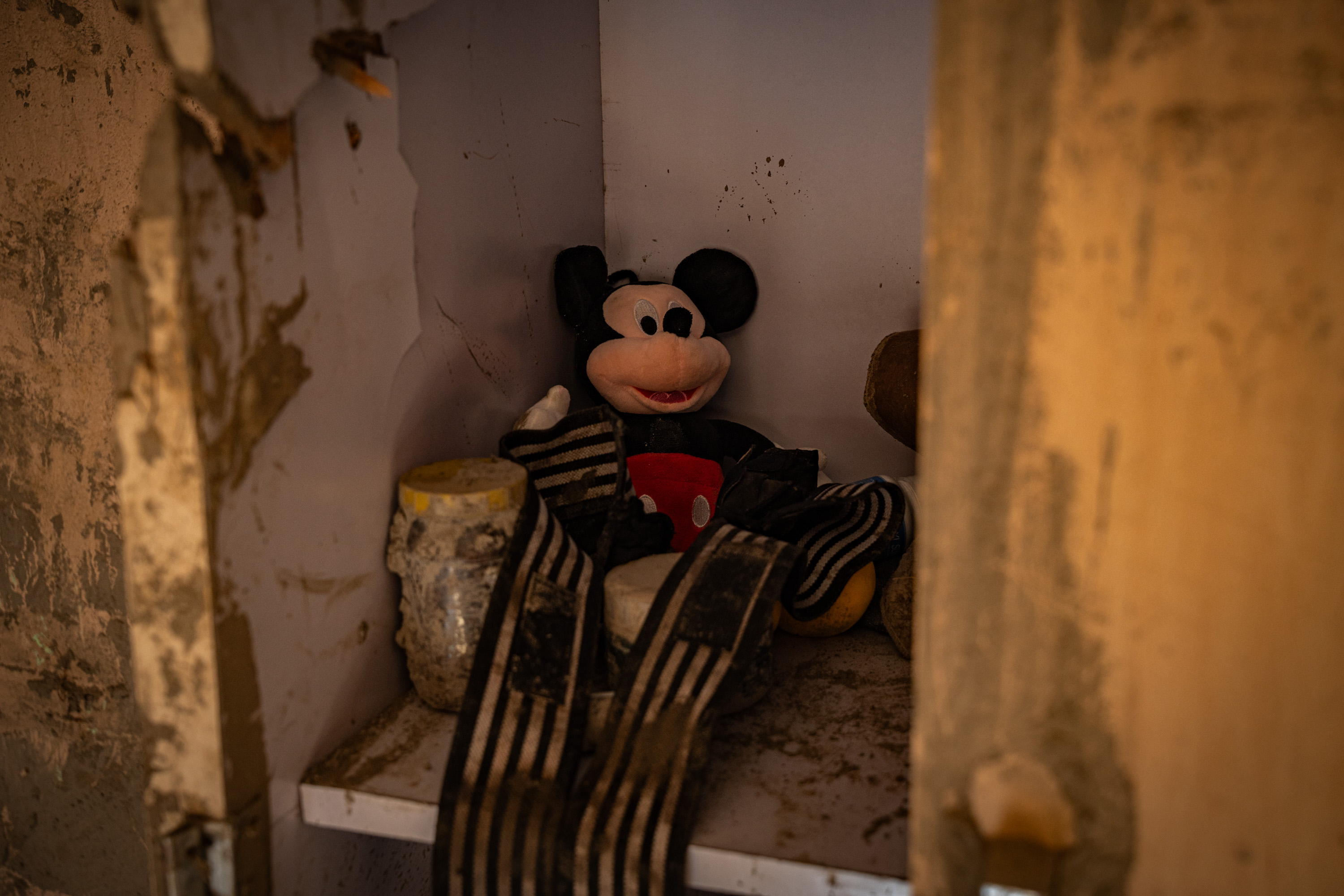
Among the wreckage, the sight of a discarded Mickey Mouse soft toy reminded me that real lives were destroyed.

As a new uncle myself, that moment struck close to home.

At least 540 children have been orphaned or separated from their parents and are now living in temporary relief camps, according to non-profit Save the Children.

Approximately 630 other children have been reported missing by Nepal’s National Child Rights Council.

I put my camera down for a while to process the scene in front of me.

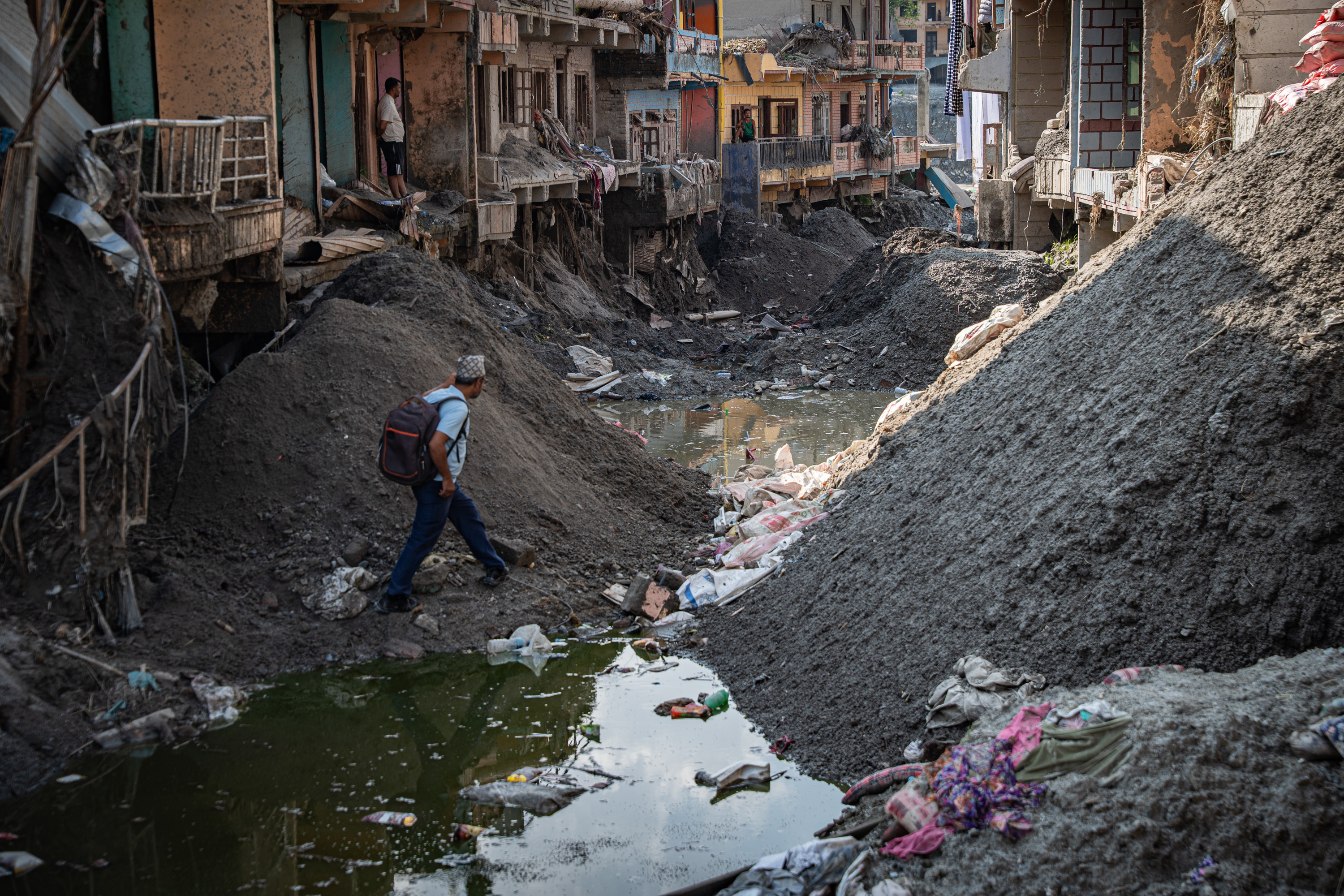
The streets of Devighat turned into a wasteland, locals believe that restoration works will likely take years.

Many displaced families are now housed in converted public facilities such as schools.

Home is now a tent for many.

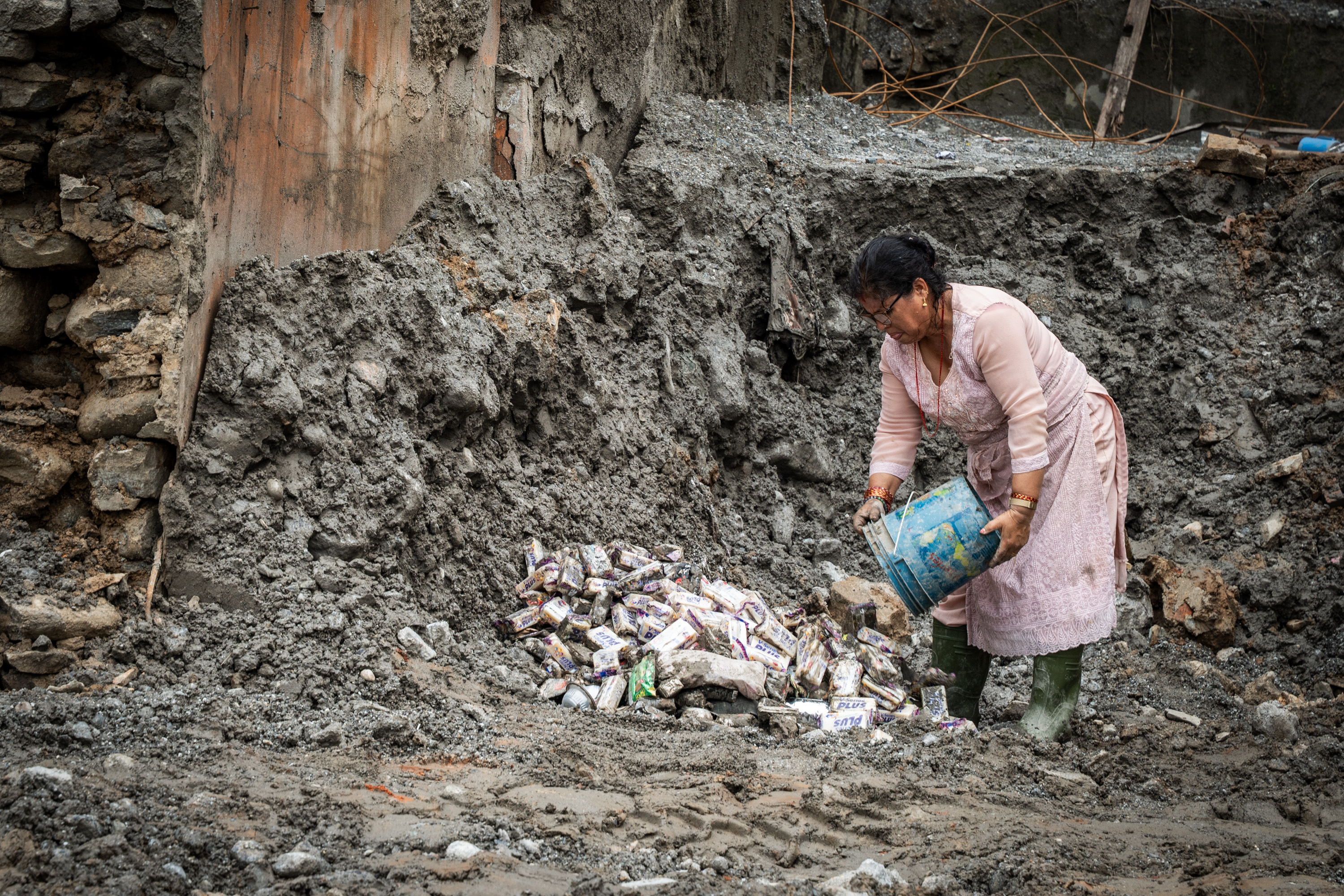
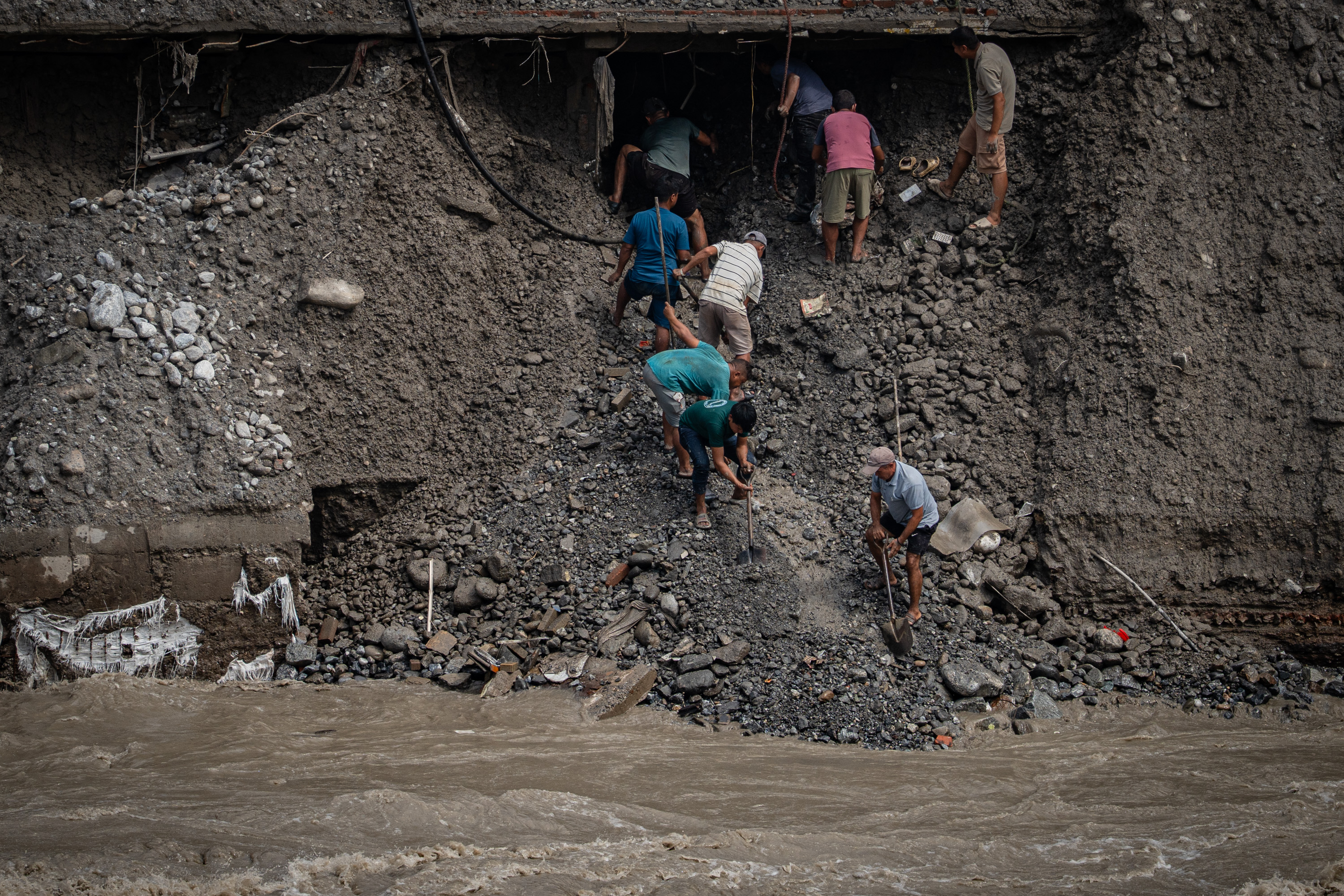
Some people were seen returning to their destroyed homes to salvage whatever they could to rebuild their lives.

But the towns remained uninhabitable, cut off from electricity and water, as the stench of waste and death lingers in the air.


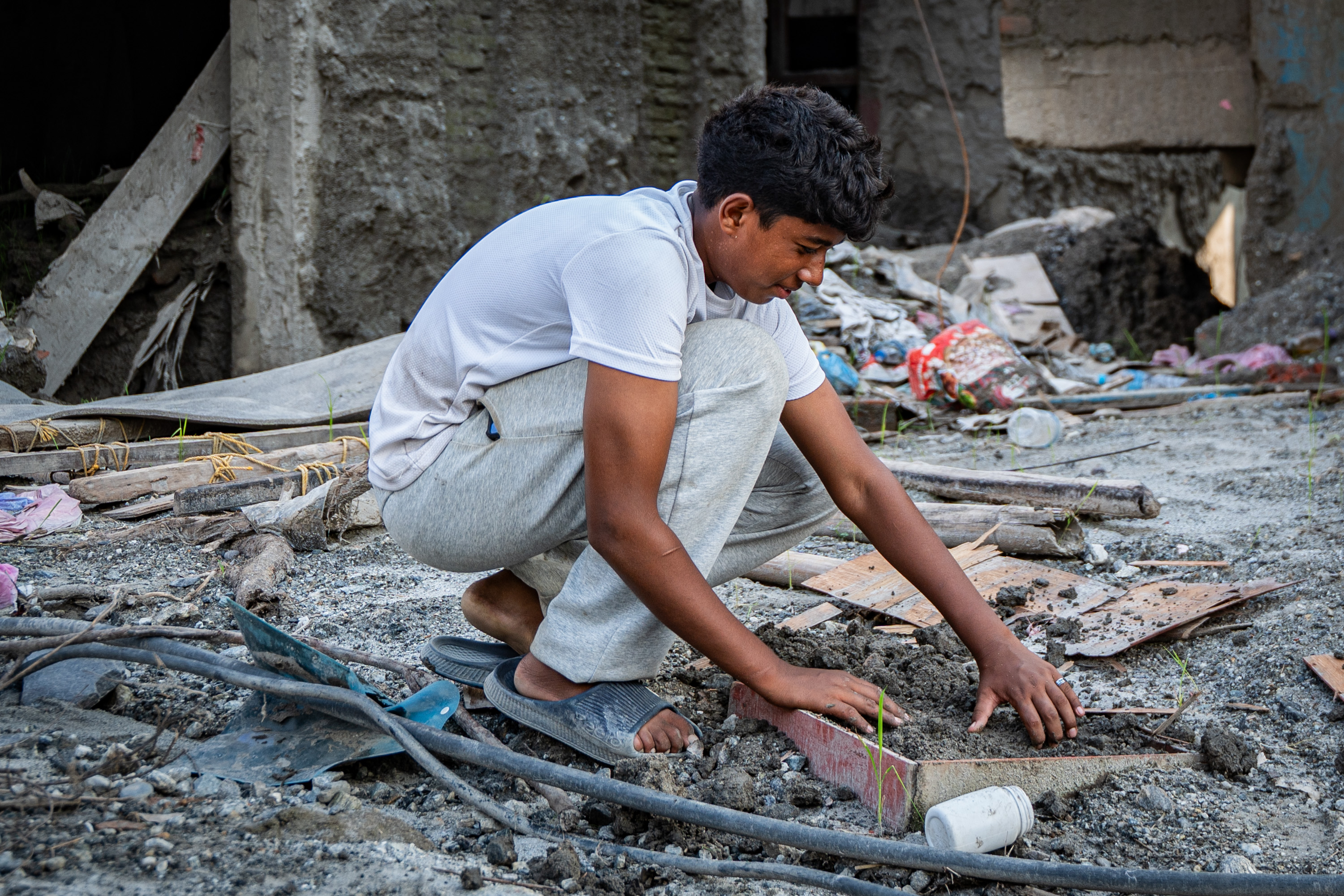
Digging through the mud with his bare hands, a teenager tries to salvage whatever is in a wooden drawer.
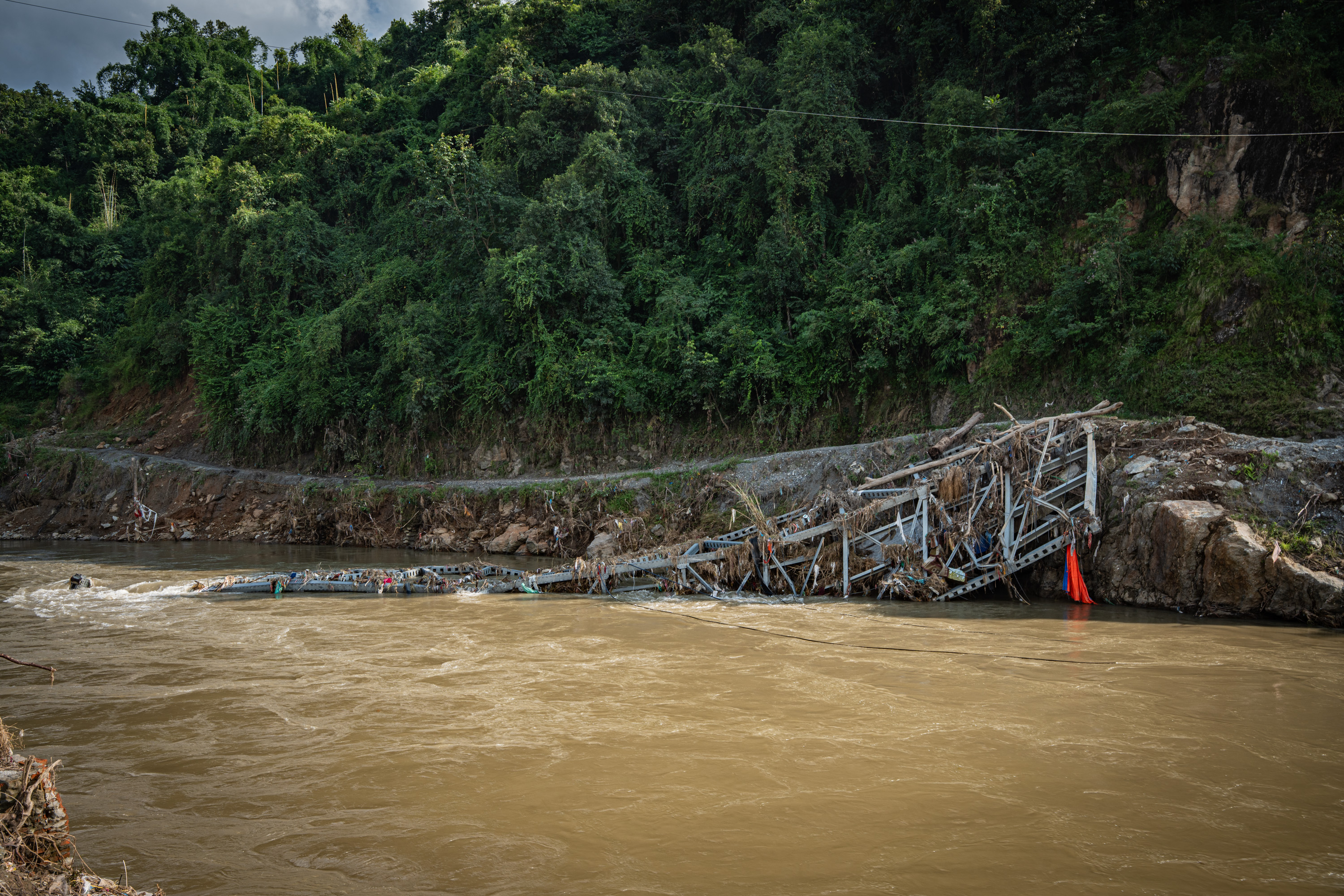
The former bridge in Devighat had collapsed into the river.

The former bridge in Devighat had collapsed into the river.

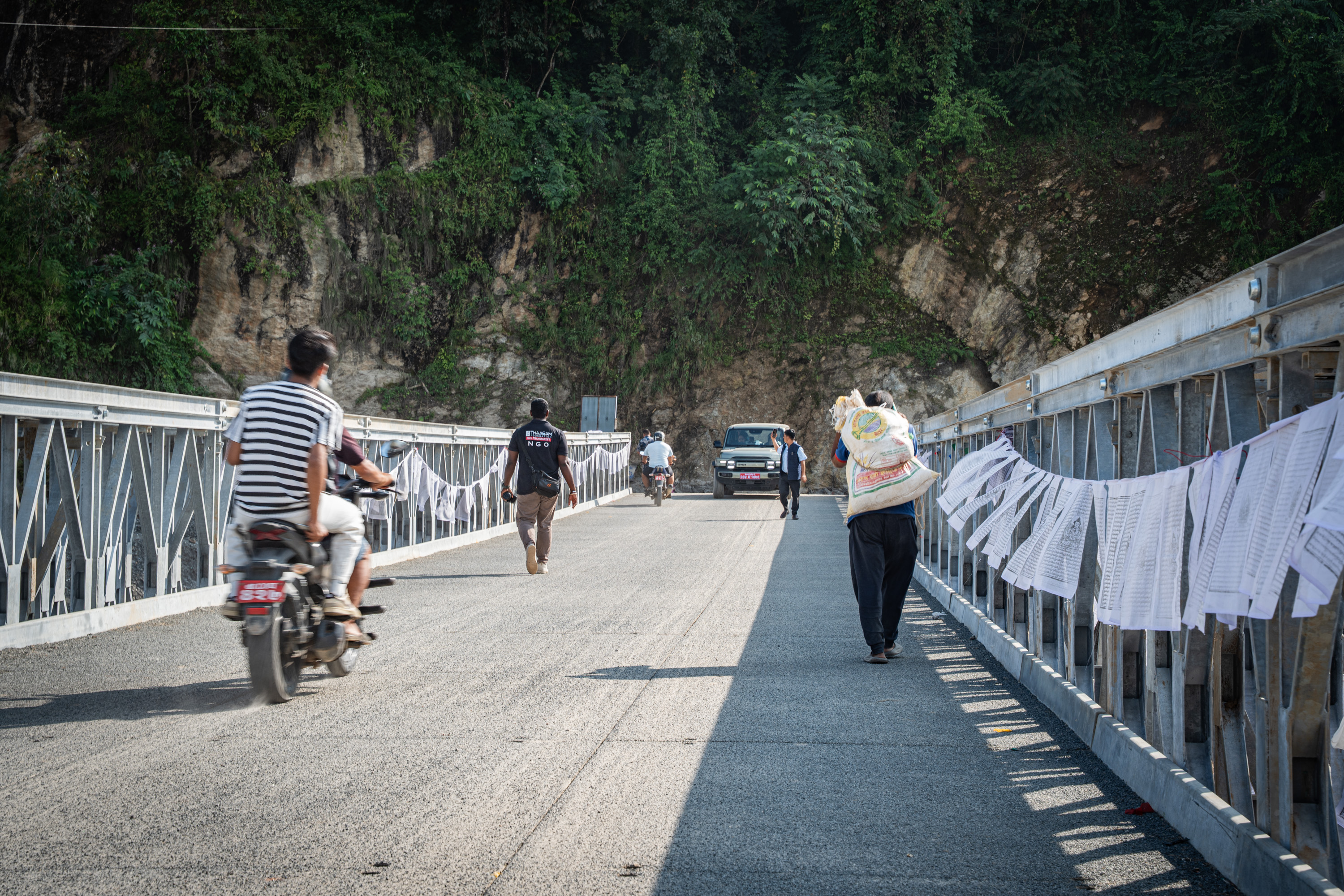
As the area is a crucial crossing to provide support, the Nepali army flew in materials via helicopter and reconstructed a bridge within five days of the disaster.

As the area is a crucial crossing to provide support, the Nepali army flew in materials via helicopter and reconstructed a bridge within five days of the disaster.

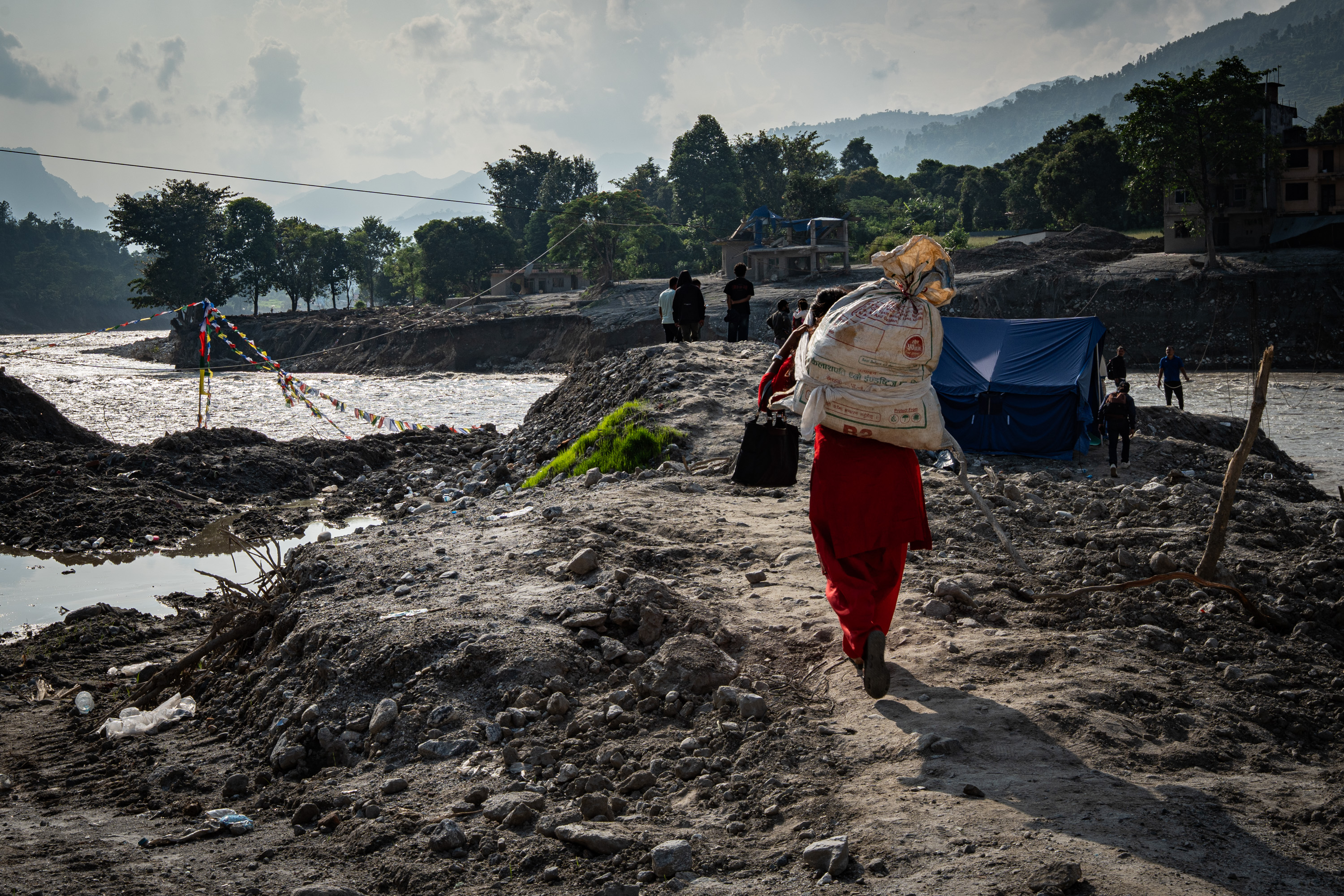
A resident of Devighat with her supplies approaches an improvised zipline to cross the river.

I can only imagine the weight the Nepalis are carrying.

But standing among the ruins of Trishuli and Devighat, I also learnt that the resolve of the community means that, come hell or high water, they will be ready to reclaim their homes and lives.

Produced by: Rauf Khan, Jasper Lim, Tan Thiam Peng

Photos by: Rauf Khan