Carlos Sainz endured a frustrating start to Formula One's first sprint weekend at the Marina Bay Street Circuit on Friday (Oct 9), finishing last in a sprint qualifying session that the sport's governing body later admitted was disrupted by a human error in race control.
The Williams driver was eliminated in the opening segment (SQ1) after losing electrical power on his flying lap.
Formula One's governing body, the FIA, later acknowledged that a mistake in race control had affected the performance of certain cars, though it did not name them.
In a statement issued after the session, the FIA said overtake mode had not been available following a red-flag stoppage in SQ1.
New for 2026, overtake mode has replaced the drag reduction system (DRS) as F1's main passing aid. Instead of opening a flap in the rear wing, it gives the driver an extra burst of electrical power from the car's hybrid system.
In a race, it is available only to a driver running within a second of the car ahead. In practice and qualifying, it is enabled for the whole field, so every driver counts on that extra power when chasing a lap time.
The session had been halted after Cadillac's Sergio Perez hit the barriers and scattered debris across the track.
When officials realised that overtake mode had not been activated following the restart, the system was switched on for 27 seconds before being deactivated again.
Depending on when they ran and where they were on the lap, drivers had the extra power for only part of a lap or not at all.
"The FIA acknowledges that this unfortunate human error had an impact on the performance of certain cars based on the timing of their run and their position around the lap," the statement said.
The governing body added that the mistake was unrelated to a separate timing issue in SQ1, and that the second and third segments of sprint qualifying were unaffected.
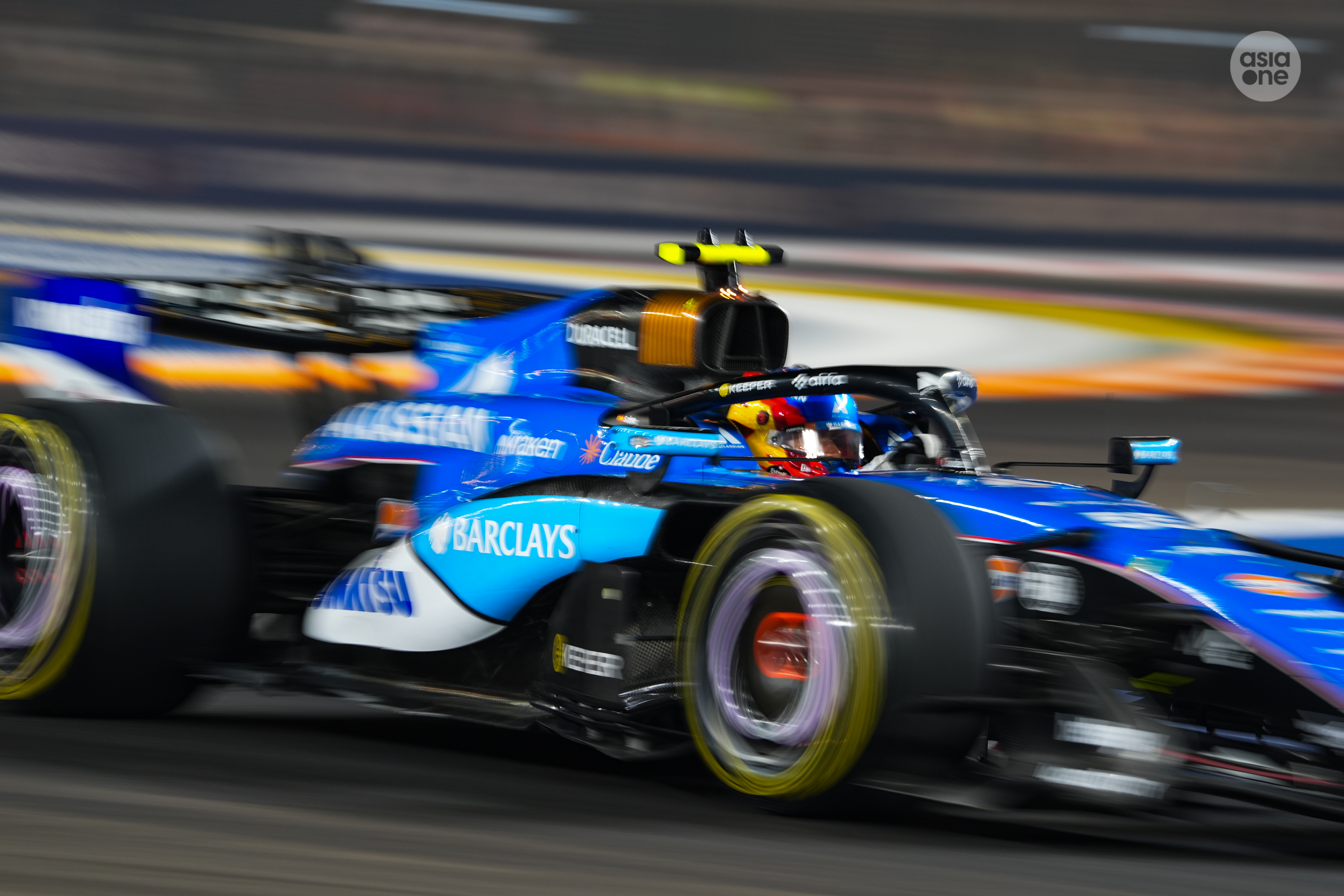
The Spaniard, who won the Singapore Grand Prix with Ferrari in 2023, said after the qualifying that his Williams FW48 lost power during his flying lap.
"We had another software issue that impacted multiple cars," he said.
"It was momentary, but I lost power during my flying lap and the lap was compromised."
While Sainz described it as a software issue, the FIA attributed the problem to human error in the operation of overtake mode and made no mention of a software fault.
Sainz clocked a best time of 1min 37.376sec, more than half a second slower than Cadillac's Valtteri Bottas and over 1.2sec adrift of Williams teammate Alexander Albon, who was also eliminated in SQ1 in 19th place.
The result marked a sharp reversal from the day's sole practice session, when Sainz finished 15th with a best lap of 1min 34.651sec, two places ahead of Albon.
"On top of that, we had some issues in FP1 with the brakes and had to make some changes that weren't ideal," he said.
"Scrappy lap overall as I also locked up into Turn 8, so a qualifying to forget. It's disappointing but we have another chance to go again tomorrow."
With overtaking notoriously difficult around the tight Marina Bay Street Circuit, Sainz faces a challenging task in the 21-lap sprint, which starts at 5pm on Saturday.
Williams will, however, have an opportunity to make further set-up changes before qualifying for the grand prix at 9pm the same day.
At the front of the grid, Red Bull's Max Verstappen claimed sprint pole with a lap of 1min 31.156sec, edging Mercedes' George Russell by 0.120sec.
Ferrari's Charles Leclerc qualified third, ahead of McLaren's Oscar Piastri and Lando Norris.
Verstappen retained pole after being investigated for a possible yellow-flag infringement during SQ1.
shafiq.APANDI@AsiaOne.com
[[nid:747267]]




