This article is part of a package produced by a group of final-year undergraduates from Nanyang Technological University's Wee Kim Wee School of Communication and Information, for the programme Going Overseas For Advanced Reporting, or Gofar. They reported from a town called Mae Sot at the Myanmar-Thailand border in July and August 2025. There, they met migrants and refugees displaced by six decades of civil war in Myanmar and are rebuilding their lives in Thailand.
MAE SOT, Thailand - Adrenaline filled the Thein Phyu Stadium as fans stomped for the Myanmar Lethwei World Championship's 10th anniversary on Aug 17.
Tun Tun Min locked eyes with his opponent while executing the Lekkha Moun - the slapping of a fighter's right hand on the left. This gesture of respect that lethwei fighters perform throughout the match invites their opponents to fight.
"Fight, fight, fight," fans chanted as a drum beat from the Hsaing Waing - a traditional Burmese ensemble - intensifies.
The 31-year-old inched closer to his opponent before planting a rapid series of jabs and kicks on his opponent's face. The arena then came to a roar, celebrating Min's victory as he swiftly headbutted his opponent, causing him to retreat to a corner and eventually pass out.
But such crowds have been rare in the past five years.
Compared to hosting three monthly events prior to the pandemic, the Myanmar Lethwei Federation (MLF) - the governing body for the sport - stopped organising matches in 2020. The 10th anniversary event is part of MLF's efforts since 2023 to resume the organisation of matches.
Accelerated by the global pandemic and political unrest in Myanmar, lethwei events have dropped in numbers, threatening the sustainability of this traditional Myanmar sport. This has put many fighters out of work, according to industry sources.
Winning a fight in lethwei could fetch one 6.5 million kyat (S$4,000). The runner-up would still bag 4.6 million kyat.
Also known as the "art of nine limbs", lethwei traces back over a thousand years in Myanmar, where it was originally practised as a weapon for war, according to Martin Gallagher, who runs martial arts blog Super Soldier Project.
While sharing similarities with its Southeast Asian boxing counterparts, lethwei sets itself apart with the legal use of bare knuckles and headbutts, and knockouts are the only way of winning.
Lure of muay thai
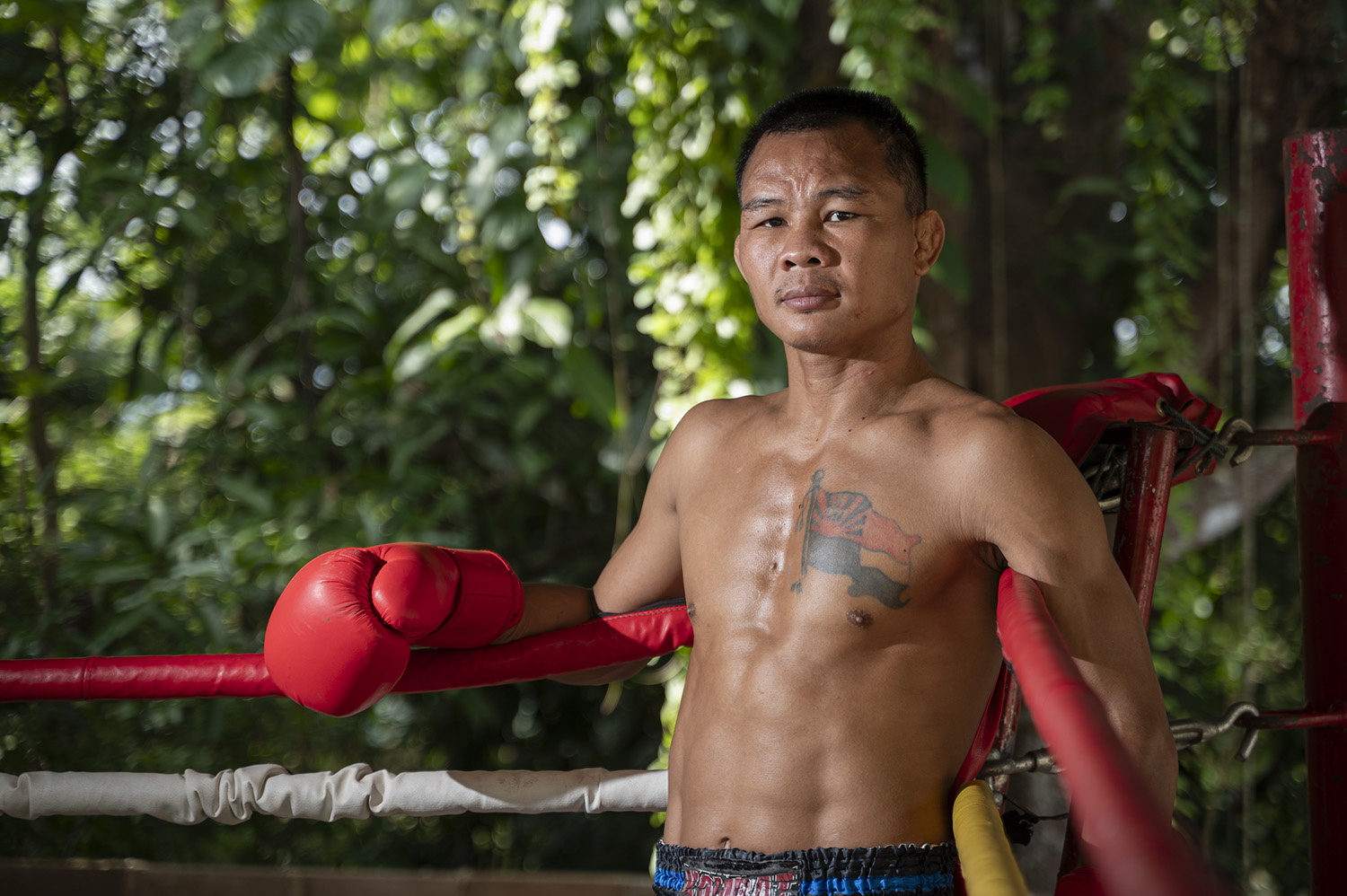
Holding the highest and most prestigious award for lethwei fighters, Golden Belt Champion Soe Lin Oo has recorded 68 knockouts in lethwei. But in 2023, the highly decorated 33-year-old began pivoting towards a sport with seemingly greater prospects - muay thai.
"There are more opportunities to compete in muay thai than lethwei, so I picked it up to fight and earn money," said Oo, who is also a father of two. He is among 40 fighters who have moved to the Thai combat sport.
In large-scale muay thai competitions, fighters can earn winnings of up to 400,000 baht (S$16,100).
After three consecutive wins in One Championship's weekly fights, Oo struck a six-figure contract in 2024 with the martial arts organisation - estimated at US$100,000 (S$129,000), as reported by the South China Morning Post.
Although Oo has not permanently stepped away from lethwei, he currently only competes in muay thai.
"You can get severely injured after every lethwei match, whereas it's less serious in muay thai," he said, after two years of competing under the Thai rules.
To sustain the sport, which is deeply rooted in Myanmar culture, Oo has opened three training centres across Thailand and Myanmar for youths aged 13 and above.
"I train the new generation because I want to keep the tradition alive," he said.
When lethwei athletes like Oo move to muay thai, the diminishing pipeline of fighters becomes a concern, said World Lethwei Championship (WLC) chief executive Gerald Ng.
The 36-year-old added that while it is not uncommon for fighters to exit the lethwei scene in Myanmar to compete in muay thai for higher winnings, this has increased sharply since 2020.
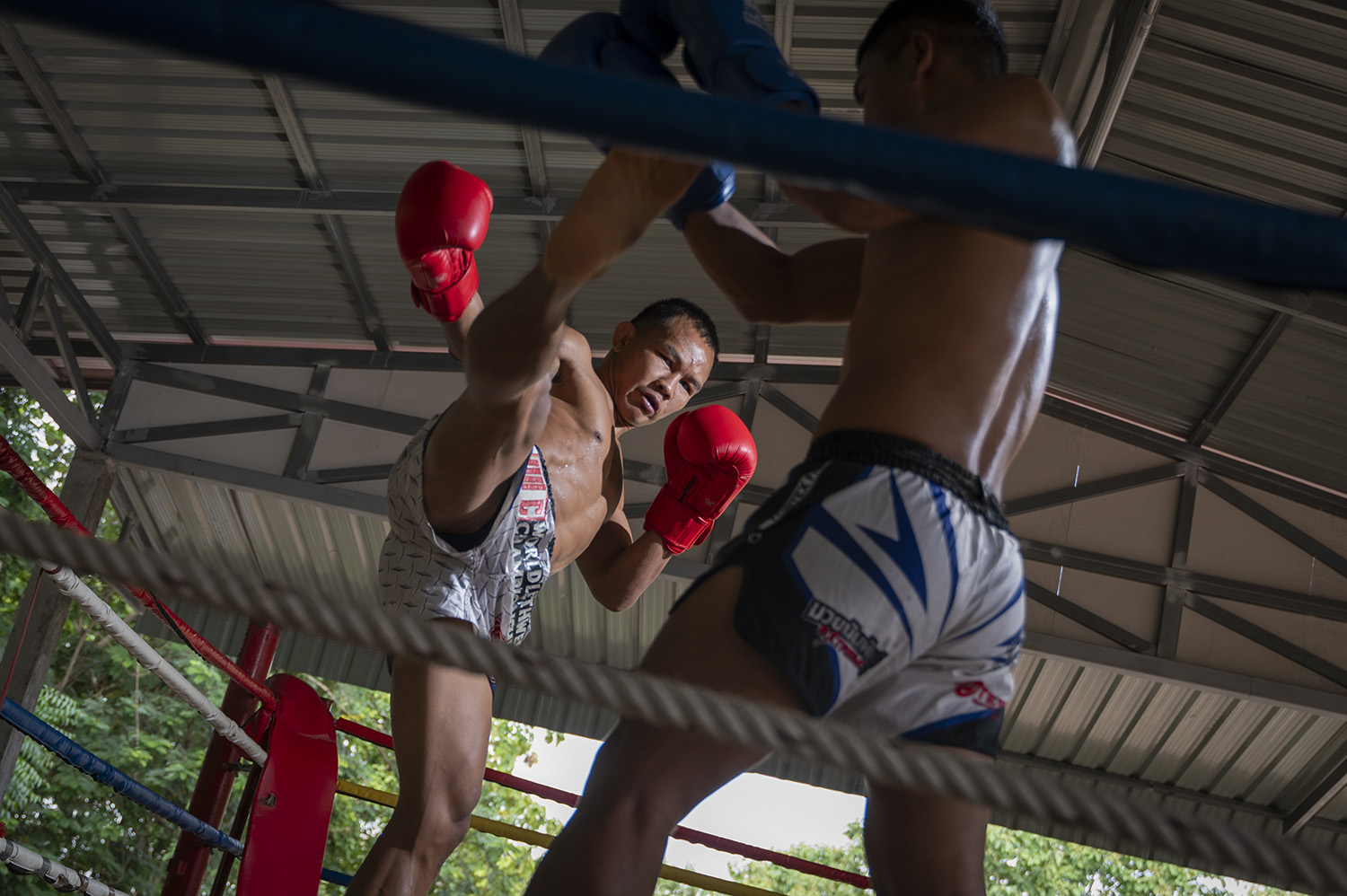
Making lethwei global
Launched in 2016, WLC was the first promoter to introduce lethwei to an international audience.
Ng, who is Singaporean and was a senior coordinator for One Championship, first saw an opportunity to build something from scratch when he was offered a contract by Zay Thiha, a Burmese entrepreneur.
The organisation also aimed to provide fighters better training conditions by covering transport and medical costs, while offering athletes winnings double of what was possible in local matches.
To reach a wider audience, WLC tweaked some traditional fight rules and practices. That included replacing the knockout rule with a point system and implementing greater medical precautions, such as halting fights when one sustains a serious injury.
"It was necessary for us to make lethwei more palatable and appealing for international audiences while keeping its essence," said Ng, referring to the retention of pre-fight rituals and the use of headbutts.
But these adjustments were not without resistance. Local fans and MLF feared WLC would dilute tradition, Ng said.
"It was a continuous process of winning over one person at a time, convincing people that what we are doing is good for the sport as a whole," said Ng.
Up till 2019, WLC has held 14 shows with each garnering up to 37 million views through livestreams.
[[nid:456742]]
'Lethwei will never die'
With fans expressing hope for the return of WLC, they are now preparing for a comeback match in March 2026 involving fighters internationally, said Ng.
Another major player eyeing lethwei's global expansion is the Bare Knuckle Fighting Championship (BKFC).
But rather than softening lethwei's rules to appeal to the masses, BKFC believes that maintaining its violent nature is key to global success.
"If you don't have the stomach for it, go and watch someone else. We're not apologetic about it," said Nick Chapman, CEO of BKFC Lethwei and former professional mixed martial arts fighter.
Also scheduled in March 2026 in Yangon is BKFC's first lethwei event.
Lethwei coach of 50 years Win Zin Oo also added that despite the lack of large-scale competitions during the pandemic, matches still took place during cultural celebrations, like the Thingyan water festival.
"Lethwei will never die, because it is so deeply intertwined with our culture," he said.
While the Myanmar Lethwei World Championship's 10th anniversary match on Aug 17 was a promising sign of revival, sustaining the sport will take much more effort, he added.
"My dream would be to make lethwei as widely known as muay thai is today."
[[nid:725821]]
editor@asiaone.com



