

How to talk to your kids about the River Valley High School incident

PHOTO: Pexels

The recent River Valley High School (RVHS) murder case, where a Secondary 4 student allegedly killed a Secondary 1 student on campus with an axe, has shocked Singapore.
The incident has made some parents question the safety of their children in schools, which are considered safe havens.
However, the world is evolving rapidly and this, sadly, is just another reality we have to face in today’s times. Schools have been under scrutiny for their safety measures across the world in recent times.
The alarming number of school shootings in the US stands as another example of poor safety and is now a common occurrence.
It’s only best then that we prepare children not only for a brighter future but for the harsh realities of life. And this, unfortunately, is one of them.
Incidents like gun violence, stabbing and terrorists attacks are difficult to explain to kids. You want to shelter them from such cases but when it’s knocking on your classroom door, there’s no escaping it.
Ask the parents of child victims of crime and they will tell you what they would’ve wanted to do differently.
You, however, have the chance to prepare your child, and also yourself, for any untoward incidents and also prevent something like this from reoccurring.
You never know what a child might be going through and how they may express their demons.
As Dr Geraldine Tan, director and principal psychologist of The Therapy Room, says about the child’s behaviour in the River Valley incident, “The aggression indicates an underlying issue. A severe enough issue compounded with impulsivity.”
So, to create an atmosphere that’s more favourable to you and your child’s mental health, here’s how you can talk to your kids about the River Valley High School incident.

Mental wellbeing starts with you. Unless you aren’t ready to accept this reality, you won’t be able to speak to your child about it.
That’s why it’s necessary that you take the time out to ease your own anxieties before speaking to your child about it.
This would also mean speaking to your support systems like a partner, friend or even a professional counsellor. They will be able to help you process this in a better way that’s beneficial for you and your little one.
To have an open conversation with your kid, you need to first take care of yourself as a parent. Otherwise, you will find yourself surrounded by your own anxieties rather than comforting your child and their concerns.

Not every conversation needs to begin with you. Your child would have questions of their own or about other child victims of crime. And sometimes it’s better that children share their concerns with you first before you part wisdom.
Your kids are more likely to have specific questions about incidents like these and you will be able to exactly identify and answer their questions.
There are fewer chances that you will share too much or too little.
At the same time, it removes the burden off you of having to initiate such a topic. It’s going to be a while before we have this conversation normally. Until then, it will remain an uncomfortable conversation to have.

Mental health experts recommend having screen-free time at least once a day or multiple times a week so the kids can spend time with the family.
Use this time to talk one-on-one with the kids on a regular basis to know more about their day and what’s happening in their school.
Sometimes the conversation can be as simple as, “How was your day?”
The more often you talk to them and help them open up, the more opportunities you will get to have that uncomfortable conversation from time to time.
Be it about shootings, drugs, alcohol and other vices, the point is to have an open discussion with your child, and also create a safe space where they can reach out to you.
You should make mealtimes throughout the day a screen-free time for the entire family. So no phones, television or any other kind of distractions.

Stress and anxiety aren’t just for adults, kids too get affected by it. And issues like child victims of crime can create anxious thoughts.
However, you can avoid these thoughts by helping your children learn to de-stress.
You can include meditation as part of their daily routine or just breathing exercises that will help them keep calm in an unfavourable situation.
Children who are introverts may also struggle with making friends or being a part of a larger group, be it at school, extra-curricular activities, or even at home.
It’s easier to feel left out or unwanted, amplifying anxiety. That’s why de-stressing will help children deal with such issues that can trigger anxiety or panic attacks.
Another exercise to follow is to teach your kids to list five things they loved about their day. It helps reinforce a positive outlook towards things and helps children learn to be grateful for what they have.
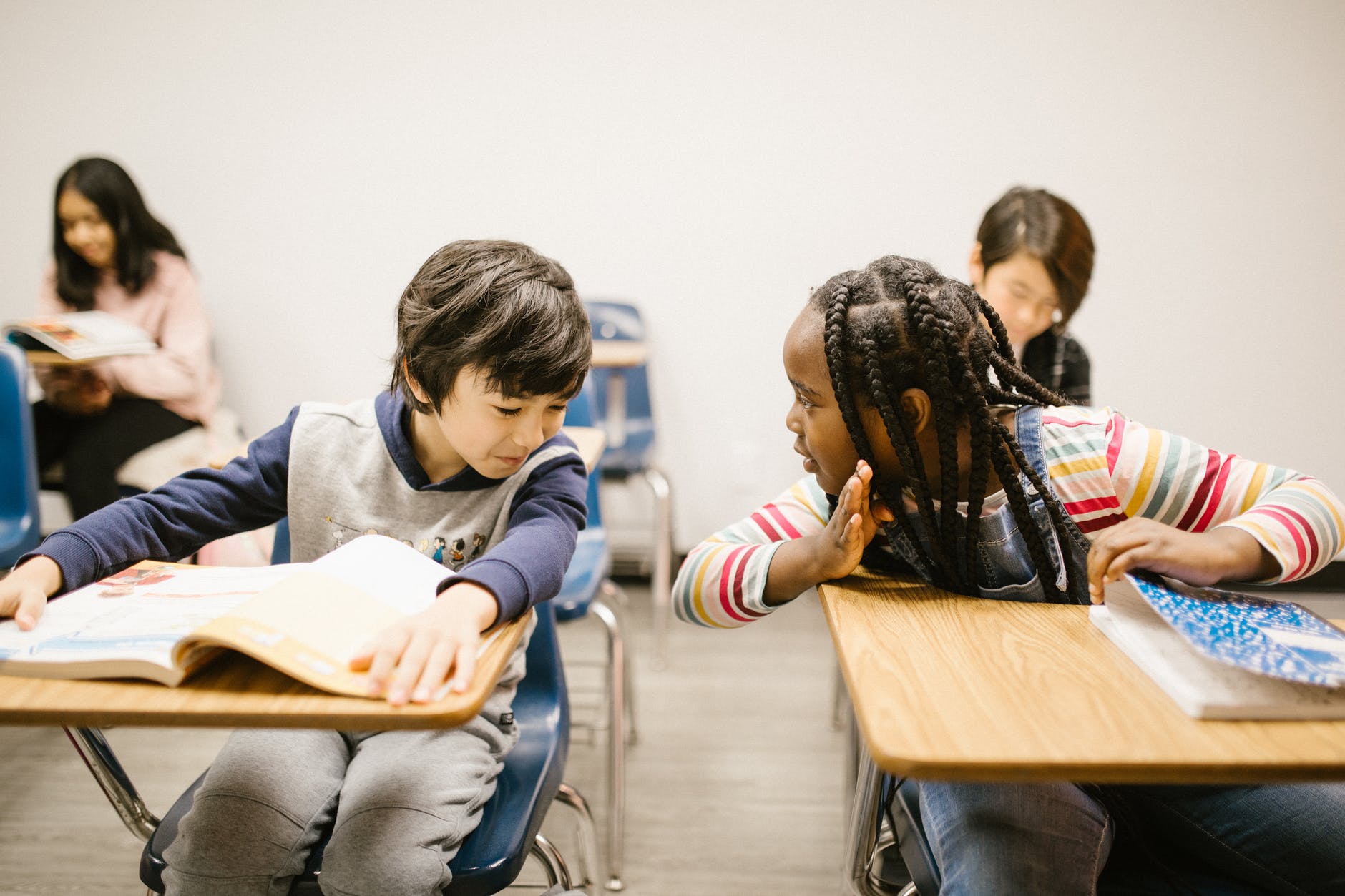
Not all days are the same and irrespective of the effort you make to the kids happy, there will be bad days for you to deal with. And that’s okay.
The idea is to create an environment that acknowledges all kinds of problems, no matter how trivial they seem at that moment.
If your child is really upset about something, let them experience it and channel that anger, sadness, frustration or guilt in a more effective manner.
Children need to be able to experience all kinds of emotions and learn to deal with them rather than suppressing them.
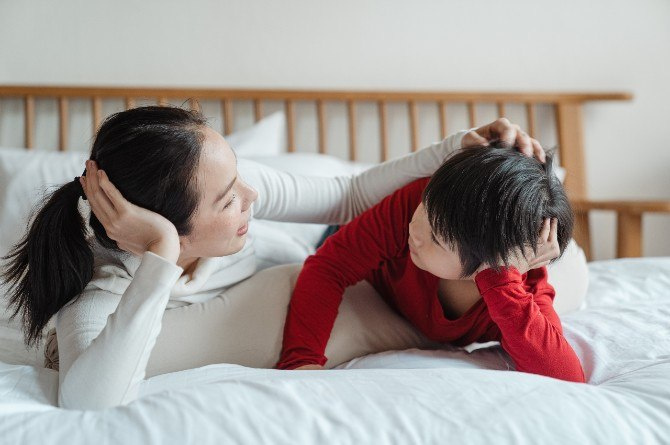
In addition to the aforementioned methods that will help create a mental-health friendly environment at home, Dr Tan also shares the following five tips for parents:

After the incident, MP and founder of The Thought Collective Shiao-Yin Kuik also shared advice for parents on her Facebook page, specifically on what you should avoid doing when such incidents take place.
If you or someone you know are child victims of crime or traumatised by the news and could do with support, The Tapestry Project SG has made this simple graphic capturing the phone numbers that might be useful in times like this.
[embed]https://www.instagram.com/p/CRgY-aZHmeW/[/embed]
This article was first published in theAsianparent.