Drivers who intentionally use their vehicles to endanger others and cause death or grievous hurt may face harsher penalties, if amendments to traffic laws are passed.
The Road Traffic (Miscellaneous Amendments) Bill was tabled in Parliament on Tuesday (July 7) by Senior Minister of State for Home Affairs Sim Ann, proposing several amendments to the law.
Aside from harsher penalties to drivers for dangerous or careless driving, the Bill also includes stepping up enforcement for the holding of mobile devices while driving and lowering alcohol level limits for drink-driving.
According to the Ministry of Home Affairs (MHA), traffic fatality rates have risen by about 24 per cent between 2021 and 2025, while traffic violations have gone up by around 38 per cent in the same period.
Presently, drivers that deliberately endanger another person using a vehicle and causing death can only be convicted for murder or culpable homicide if it is proven beyond reasonable doubt that he intended to kill, or knew that his actions are likely to cause death.
Prosecutors would instead usually charge the driver with dangerous driving causing death, which comes with a jail term of eight years for first time offenders.
Under the new proposed law, offenders would potentially face jail for up to 15 years, caning and a fine.
"A vehicle can become a dangerous weapon if misused. Where a driver deliberately endangers another person using a vehicle and causes death, he must face consequences that are proportionate to his culpability and harm," said MHA on Tuesday.
If found guilty, offenders may also be disqualified from driving for at least 10 years following the end of their jail time, along with the forfeiture of the vehicle used in committing the crime.
The Bill also proposes to increase the maximum penalties for careless driving and dangerous driving causing grievous hurt.
First-time offenders for dangerous driving causing grievous hurt would face a maximum jail penalty of up to seven years from five, while repeat offenders would face up to 13 years instead of 10.
Aggravating factors such as drink driving will also result in additional penalties which will see an increase in severity under the Bill.
Holding phones while driving
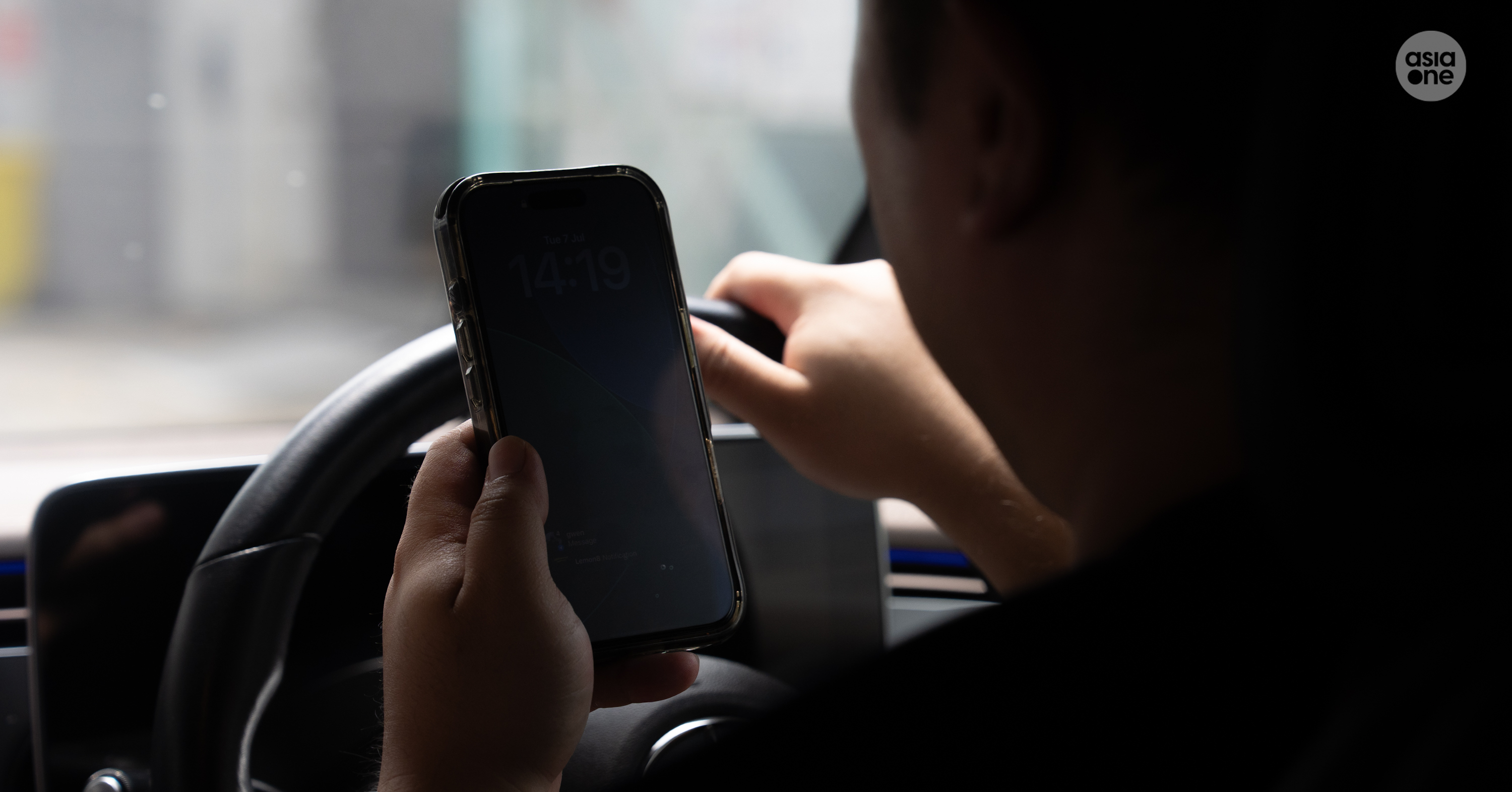
The offence of using a mobile phone while driving requires officers to prove that the driver was using the phone while holding it in their hand and driving.
This will change if the Bill is passed, however - it will be an offence as long as a driver holds a mobile communication device in their hand while the vehicle is moving.
This will include mobiles phones, tablet computers and wearable devices such as smart watches.
Tapping on a smartwatch while driving would not be an offence unless the driver is holding the device in their hand instead of wearing it as intended by the manufacturer.
Usage of mounted devices will still be allowed, and drivers can also hold their devices while their vehicle is stationary.
Alcohol limits in a driver's breath will also be reduced from 35 micrograms of alcohol per 100ml to 15 micrograms, while blood alcohol level limits will be reduced from 80 milligrams per 100ml to 30 milligrams, under the proposed amendments.
This is equivalent to about 1.5 standard drinks for males and not more than a single standard drink for females within three hours before driving.
Additionally, traffic police officers will be given additional powers to use a handheld breath analyser to conduct a breath test at incident scenes that can be used as evidence - previously, this test would only be administered in police lock-up and might differ in reading from the initial test conducted at scene.
[[nid:738897]]
khooyihang@asiaone.com