The Singapore Food Agency (SFA) is introducing a one-off Farm Business Resilience Support grant amid pressures from the ongoing Middle East conflict.
"It is important that these short-term pressures do not erode the local production capacity that Singapore has worked hard to build," the agency said in a statement on Friday (July 31).
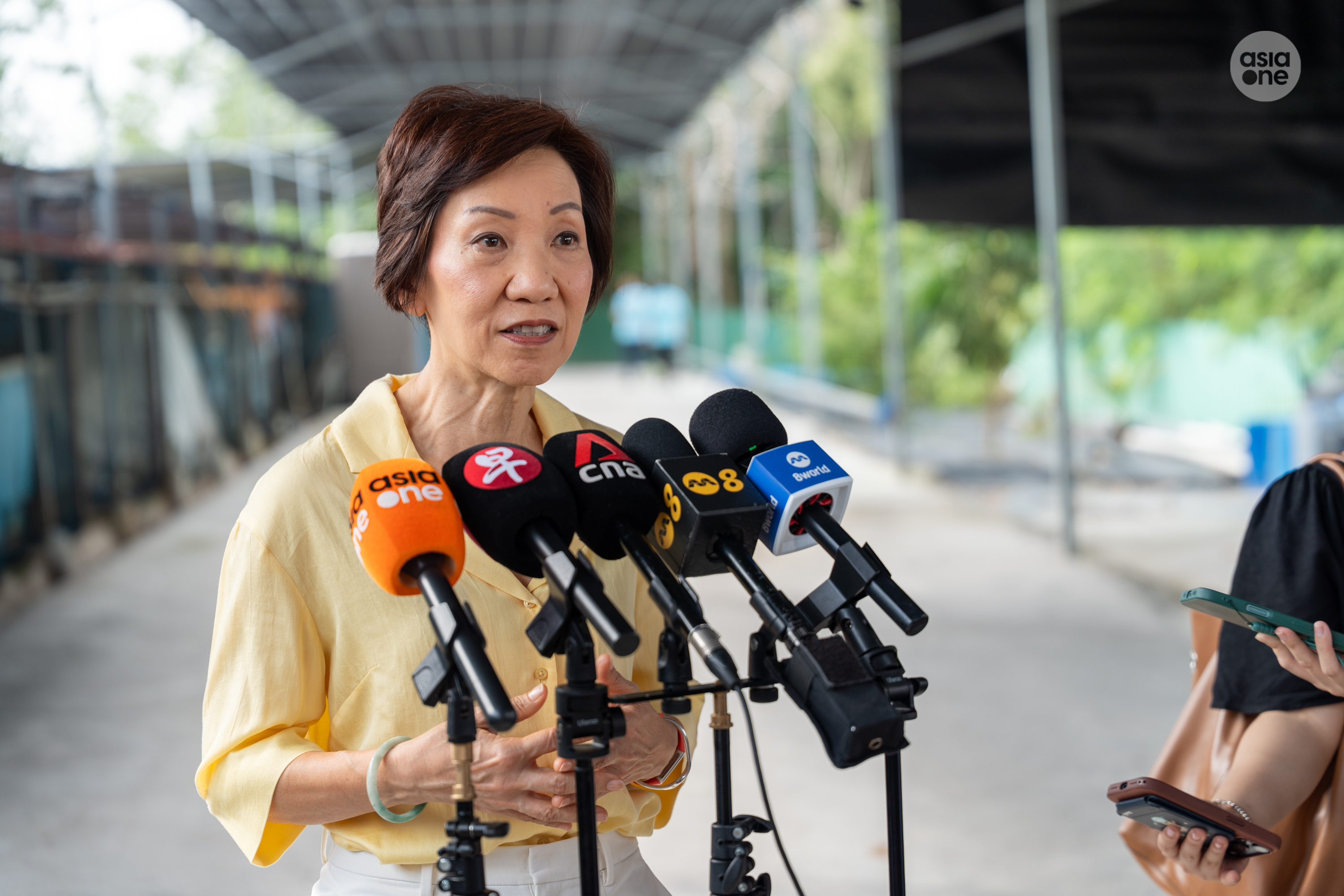
During a visit to Prime Aquaculture’s hatchery on Pulau Ketam the same day, Minister for Sustainability and the Environment Grace Fu said the grant is intended to support local farms in mitigating short-term variations and fluctuations in their operating environment.
"We'd like to support them so that the local capacity will continue to be sustained, and help them tide over this crisis," she added.
All local farms holding a valid farm licence as at Aug 1 and have contributed to local production of fibre and/or protein are eligible for the support.
These include farms producing leafy or fruited vegetables, mushrooms and beansprouts, as well as those producing eggs and seafood.
They make up most of the 206 licenced farms here.
The support quantum will differ according to farms, depending on what they produce and how much they produce, SFA said, adding that its account managers will reach out to farms with more information in August.
Administered under the Agri-food Cluster Transformation Fund's capability upgrading component, the Farm Business Resilience Support grant is on top of the one-off cash grant for small and medium-sized enterprises (SMEs).
Announced by the Ministry of Finance on July 29, it allows small and medium-size enterprises, including local farms, to receive $500 per local employee up to a total of $2,500 per company.
Prime Aquaculture head Tan Yong Yi told AsiaOne that the cost of feed has been increasing by about 5 per cent per month since the Middle East conflict began.
In addition, given that the hatchery is off grid and entirely dependent on six diesel generators for its energy needs, he said the expenditure on diesel had increased significantly, from about $50,000 per month to a six-digit amount currently.
To reduce its reliance on diesel, Prime Aquaculture has begun work to install a floating solar photovoltaic farm at a reservoir on the island.
When completed, it is expected to generate up to one-megawatt of electricity annually, or the equivalent to the annual electricity consumption of about 260 four-room HDB flats.
"We hope to be able to tap on the new fund because this will be a massive investment upwards of $1 million," Tan said.
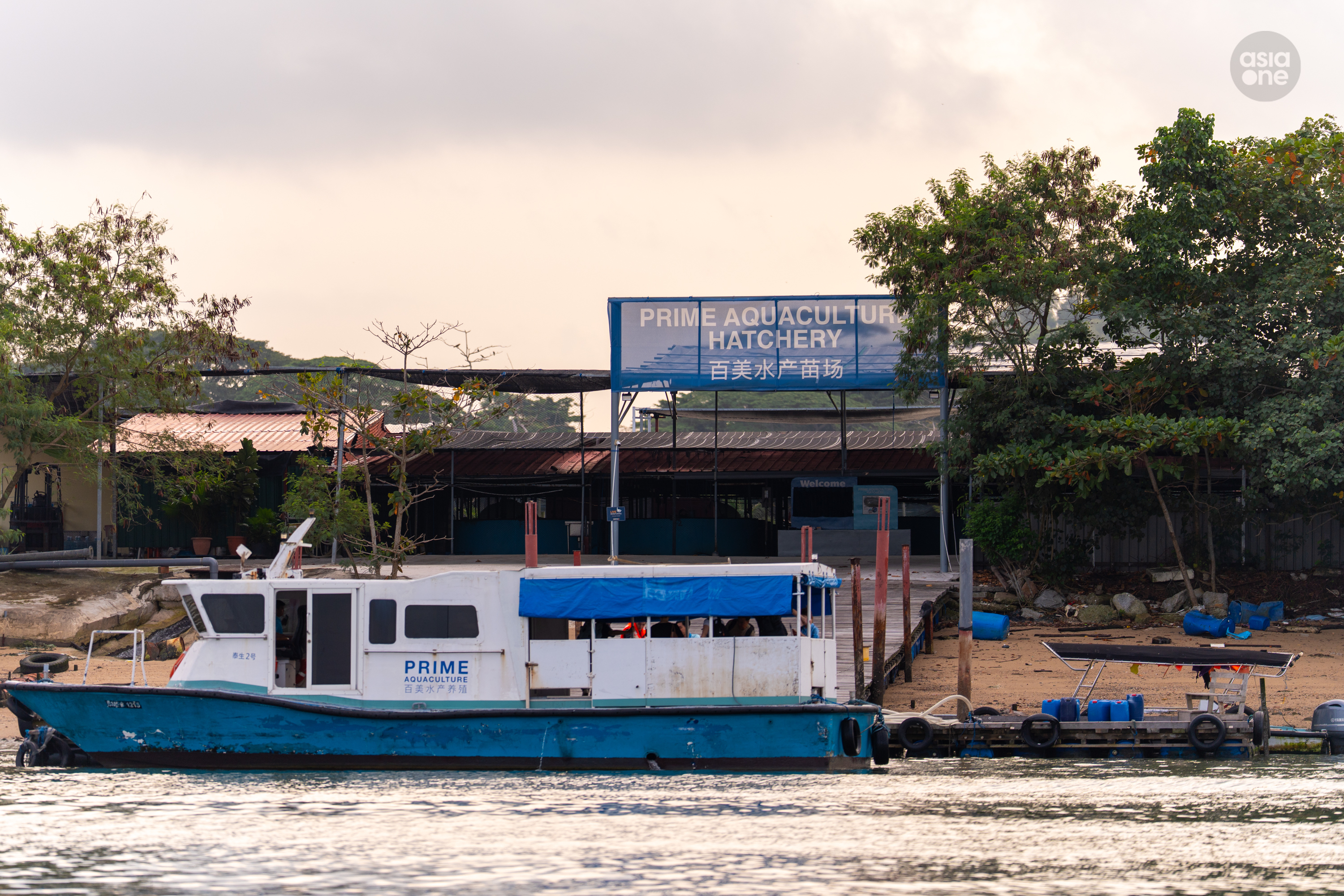
Situated at the eastern coast of Pulau Tekong, Prime Aquaculture's sea farm focuses on the production of market-size fish species commonly consumed by Singaporeans, while its hatchery at Pulau Ketam (off Pulau Ubin) is a hatchery and nursery.
Since beginning operations in 2019, it has produced and supplied more than 200 metric tonnes of fresh local fish, including red snapper, baby threadfin, Asian seabass, pompano and groupers to the local markets.
In November last year, SFA announced that the '30 by 30' vision for a grow local strategy will be replaced by new targets — local farms to supply 20 per cent of the local consumption of fibre and 30 per cent of the local consumption of protein by 2035.
[[nid:730828]]
editor@asiaone.com




