

Singapore proposes world's first international standard for GenAI testing

The meeting, co-organised by IMDA and Enterprise SG, is being hosted in Southeast Asia for the first time.
PHOTO: AsiaOne/Dennis Palit

 PUBLISHED ONApril 20, 2026 11:30 AMBYSean Ler
The Infocomm Media Development Authority (IMDA) and Enterprise Singapore have put forth a new international standard, also a world first, to standardise testing methods for generative artificial intelligence (GenAI) systems.
In a joint media release on Monday (April 20), the agencies said that the new proposed standard — ISO/IEC 42119-8 — will be discussed at a plenary meeting of the International Organisation for Standardisation (ISO) and the International Electrotechnical Commission (IEC) between April 20 (Monday) and April 24.
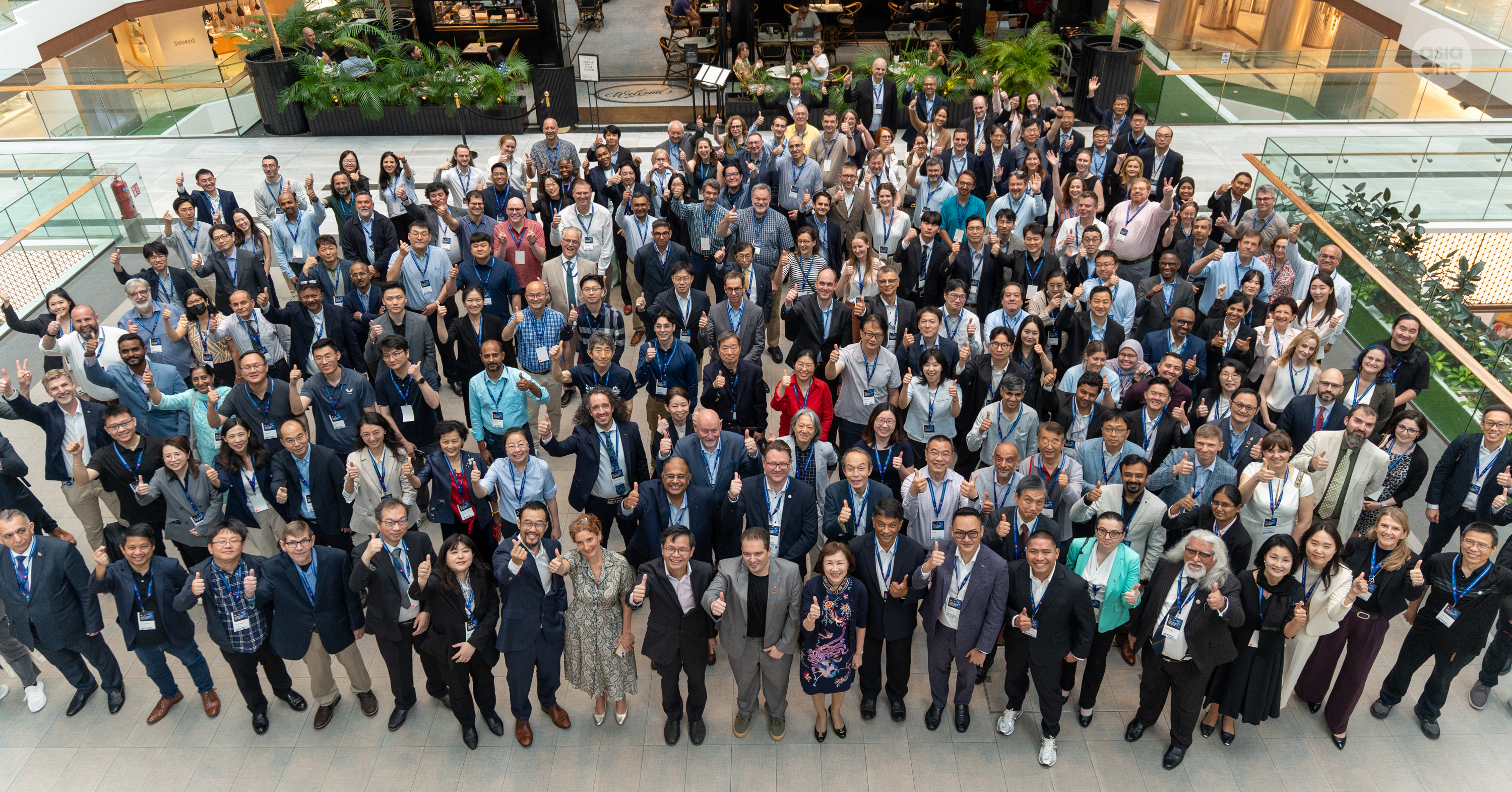
The meeting, co-organised by IMDA and Enterprise SG, is being hosted in Southeast Asia for the first time.
It will see involvement from than 35 national bodies and over 250 artificial intelligence (AI) experts from around the world, including China, France, Japan, Germany, the UK, and US.
In his opening address, IMDA chief executive Ng Cher Pong said that standards are the "quiet infrastructure" that enables interoperability, consistency and trust at scale.
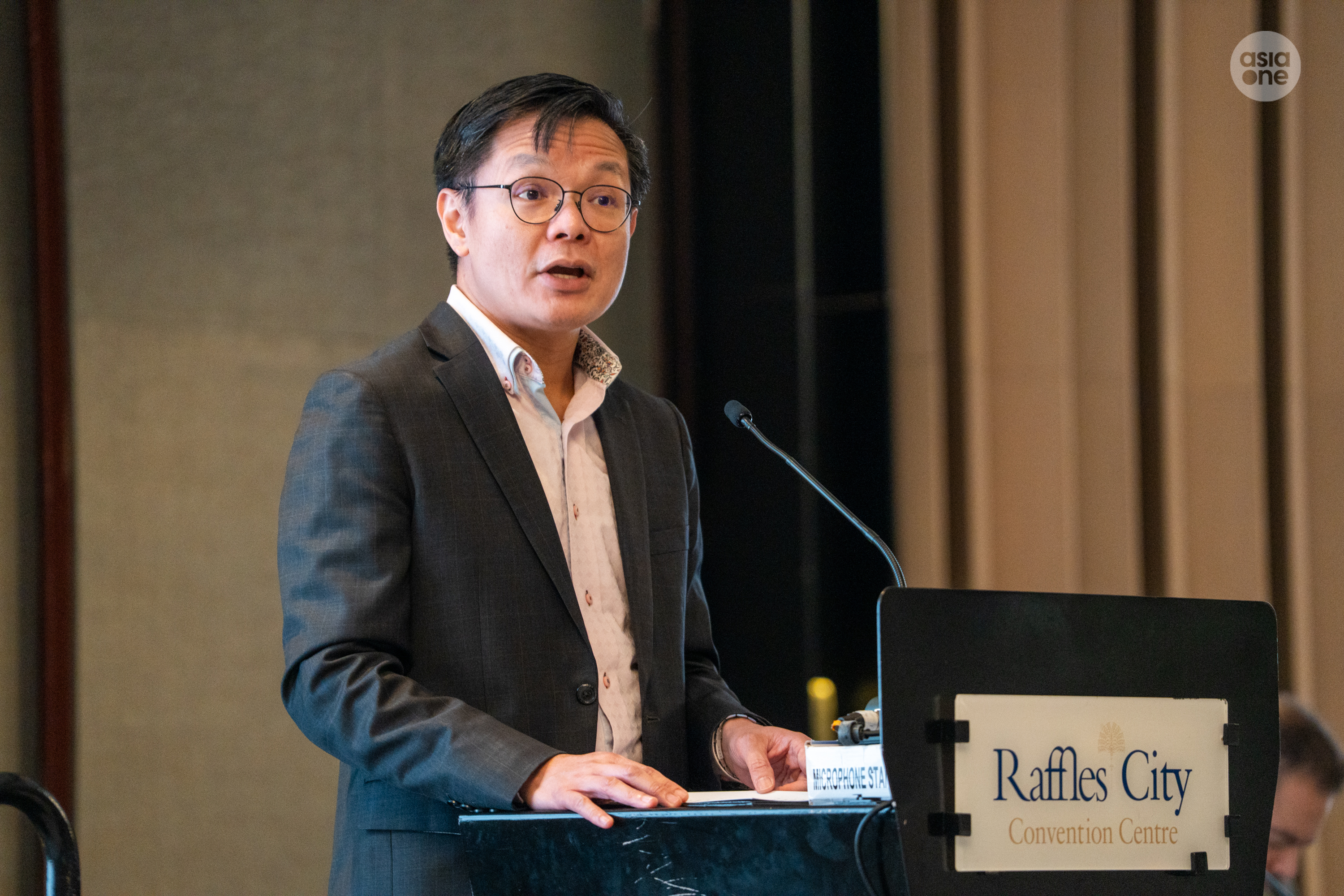
"AI standards play a vital role in ensuring that the entire ecosystem — from governments, to AI labs, application deployers, academic, citizens and workers — all speak the same language. By doing so, AI standards serve as a launchpad for rapid adoption and scaling," Ng said.
He went on to set out three key areas relating to the establishment of AI standards: ensuring that standards keep pace with accelerating AI development and use; recognising that standards have to be representative and inclusive; and, giving greater attention to testing and assurance.
The agencies said that Singapore's proposed standard is focused on benchmarking and red teaming methodologies for GenAI system with standardised testing approaches
"Overall, it establishes an important framework for AI testing that enhances the reproducibility and comparability of results. This, in turn, will drive assurance and overall trust in AI systems and enable safer, more reliable adoption by AI developers and users," the agencies added.
[[nid:734039]]
No part of this story can be reproduced without the permission of AsiaOne.