As a country heavily reliant on imports, Singapore is particularly vulnerable to external shocks and supply chain disruptions.
This vulnerability in the face of rising global uncertainties can, in turn, affect Singapore's survival, said Senior Minister of State for Sustainability and the Environment Zaqy Mohamad.
Zaqy, who is also Senior Minister of State for Defence, set out how Singapore intends to build options and flexibility to deal with different scenarios of disruption at the Ministry of Sustainability and the Environment's (MSE) Committee of Supply debate on Wednesday (March 4).
Citing disruptions during Covid-19 and Malaysia's ban on the export of live chickens in 2022, the senior minister of state cautioned that tiding through disruptions will become more challenging.
"We also need to manage our risks from animal disease, which add to further pressure on global food supply and prices.
"As a longer term risk, we must be able to adapt to climate change, such as extreme and erratic weather which affects crop yields globally," Zaqy explained.
Setting out MSE's plans to secure Singapore's food resilience, he explained how Singapore Food Story 2 (SFS2), announced in November 2025, will achieve this.
SFS2 comprises four pillars: diversity imports, grow local, stockpile, and global partnerships.
Zaqy said that these different combinations will help to address different crisis scenarios, hence strengthening our overall food resilience.
@asiaone Food resilience is one of the key tenets of Singapore's national adaptation plan, announced by Minister for Sustainability and the Environment Grace Fu, on Tuesday (March 3). Senior Minister of State Zaqy Mohamad sets out how Singapore will build options and flexibility to deal with the different types of disruptions - to ensure Singaporeans remain fed through disruptions. #sgnews #Singapore #Parliament #FoodSecurity #Resilience ♬ original sound - AsiaOne
What achieving food resilience looks like
Providing food assurance where it matters most — in staples such as rice, proteins and vegetables — so that there is still food on shelves and meals remain as familiar as possible to Singaporeans, is the MSE's outcome for food security.
"Food resilience means ensuring Singapore has reliable access to our basic needs," he said, adding that it will not always be possible to have everyone's favourite food and brand available in every disruption.
On diversification, the Republic will continue to import its food from multiple sources while building up alternative sources.
To help the industry achieve this, new sources — for food of higher food safety concern such as meat and eggs — will be accredited.
In tandem with this, Singapore will also move to establish regionalisation agreements with key sources which will also allow us to continue importing from disease-free areas within affected countries.
[[nid:718200]]
The Republic will also move to form global partnerships so that it will have pre-established channels, tested protocols, and trusted partners ready to respond in a crisis.
One such example is the memorandum of cooperation on rice trade between Singapore and Thailand signed during Thai Prime Minister Anutin Charnvirakul's visit to Singapore last year.
A similar deal was also inked with Vietnam on the sidelines of the Asia-Pacific Economic Cooperation meeting in Gyeongju, South Korea, on Oct 30, 2025.
Zaqy also said the city-state will continue to stockpile essential food items such as rice, frozen protein and canned vegetables, so that it has the time and breathing space to restore food flows during disruptions.
Turning to local production, he said that the approach will be practical and realistic.
"Our local farms will always face higher land and production costs compared to farms from the region — that's simply our reality," he explained.
In this regard, Singapore will focus on fresh leafy and fruited vegetables such as xiao bai cai and tomatoes, beansprouts and mushrooms for fibre; and eggs and seafood for protein.
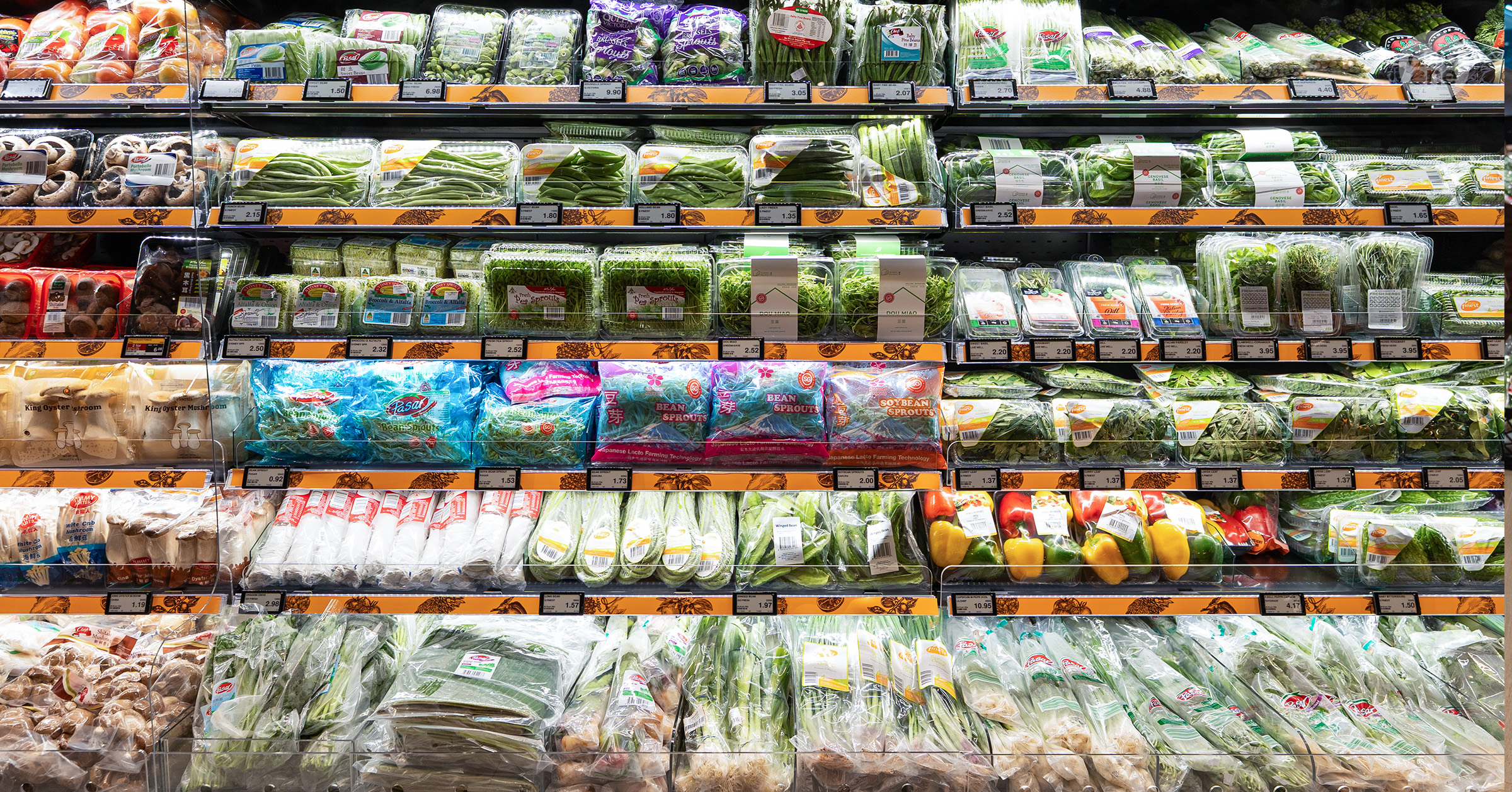
"These goals take into account the strengths of our local farming eco-system and the potential for growth in supply," Zaqy added.
To support the four said pillars, Singapore will continue to help farms to build capability, such as through the agri-food cluster transformation fund.
It will also leverage on technology to help alert farms ahead of anticipated events so that they can implement mitigation measures like aeration or emergency harvests.
Zaqy pointed out that Singapore's founding Prime Minister Lee Kuan Yew had often said that Singapore "must leave nothing to chance when it comes to survival".
Echoing that point, Zaqy said that SFS2 will build comprehensive resilience through collective actions: "Our food future is too important to leave to chance alone."
[[nid:722718]]
editor@asiaone.com




