A group of people has drawn criticism after videos of them foraging marine life at Changi's shores and cooking their haul surfaced online.
These clips, originally posted on Douyin, were shared in a post on Facebook group Complaint Singapore on July 13.
In the videos, the group can be seen collecting large amounts of crabs, shellfish and molluscs in buckets. These appeared to have been cooked for consumption.
According to the netizen who reposted the clips, the group frequently shares similar content.
"I am not against coastal foraging. However, what is concerning is the frequency of their visits and the volume of marine wildlife they harvest during each trip," the netizen wrote.
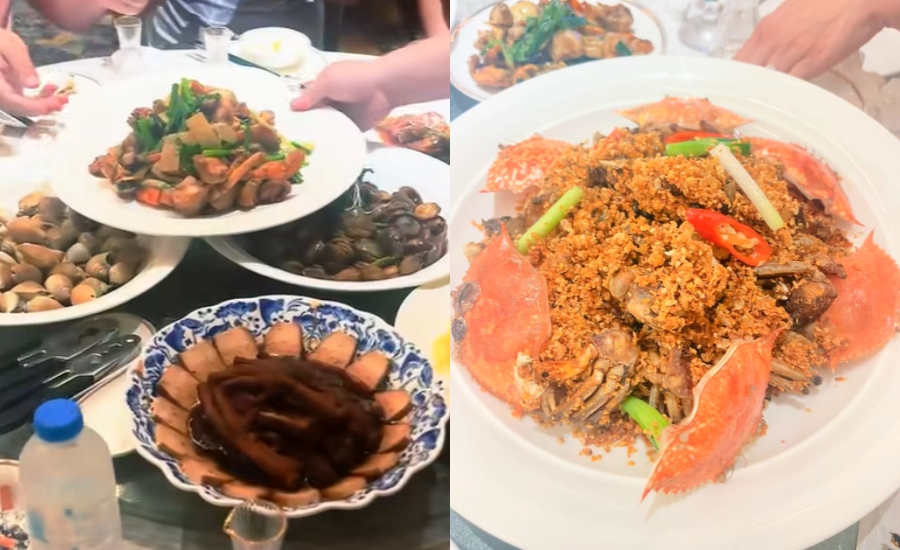
Many netizens took issue with the behaviour, with several expressing concern over its impact on the environment.
"Surely will affect the ecosystem.. .With their non-control attitude[sic]," one wrote. Another asked: "Seems like over farming, won't this harm the local marine life?"
Others called for relevant authorities to take action, urging the Facebook user to report the incident to the National Parks Board (NParks).
Interact responsibly with marine wildlife: NParks
In response to AsiaOne's queries on Friday (July 24), NParks said that it is aware of the Facebook post, and "seeks the understanding of the public" to protect the local intertidal biodiversity.
Dr Karenne Tun, group director of the National Biodiversity Centre at NParks said that intertidal habitats are "fragile and critical" to the health of the marine ecosystem.
She urged visitors to protect them by "practising responsible etiquette" when visiting these areas.
This includes refraining from touching, collecting, or trampling on any wildlife so they can continue to thrive in their natural habitats, Dr Tun added.
The public may also endanger their own safety as they may not recognise poisonous, stinging or venomous marine wildlife species.
"The removal of wildlife from their habitats, including intertidal zones, harms our biodiversity and disrupts our ecosystems. Each species plays a unique role in its ecosystem and their removal can have far-reaching consequences on ecosystem services such as pollination, seed dispersal and nutrient cycling," she said.
"This in turn affects the ecological resilience of our natural habitats," she explained. Removal of wildlife from their habitats may also endanger their population, especially for threatened species.
According to Dr Tun, the collection of animals from intertidal zones under NParks' jurisdiction is restricted. They include Sisters' Islands Marine Park, Sungei Buloh Wetland Reserve, Labrador Nature Reserve's rocky shore and Pulau Ubin's Chek Jawa Wetlands.
For intertidal areas beyond NParks' jurisdiction, such as the Changi area, the board focuses on public education through online advisories, physical signs and increased patrols to share best practices as well as educate visitors on how to interact responsibly with marine wildlife.
More information on intertidal etiquette can be found on NParks' website.
[[nid:678537]]
Coastal foraging is not unheard of in Singapore.
Ah Toan, a "crab hunter" known for foraging crustaceans around Singapore's reservoirs, for instance, has shared videos of himself foraging marine wildlife and subsequently selling them online.
In 2021, the public raised the alarm after groups of beachgoers were seen collecting crabs, fish, shellfish, sea cucumbers and other marine creatures from Changi Beach.
Various marine groups, enthusiasts and netizens spoke out against the behaviour.
At the time, NParks said it would take steps to prevent the manhandling of marine creatures in intertidal areas by increasing patrols and raising awareness of the harmful effects of touching, collecting or trampling on marine wildlife in their natural habitats.
[[nid:532942]]
carol.ong@asiaone.com




