ROCKHAMPTON, Australia — The Singapore Army is transforming its infantry with a new force structure, advanced weapons and unmanned systems, aiming to improve combat effectiveness while reducing soldiers' exposure to danger.
Known as the Next Generation Infantry Battalion (NGIB), the transformation is designed to help infantry units adapt to an evolving battlefield where threats are harder to detect and adversaries may use unconventional tactics.
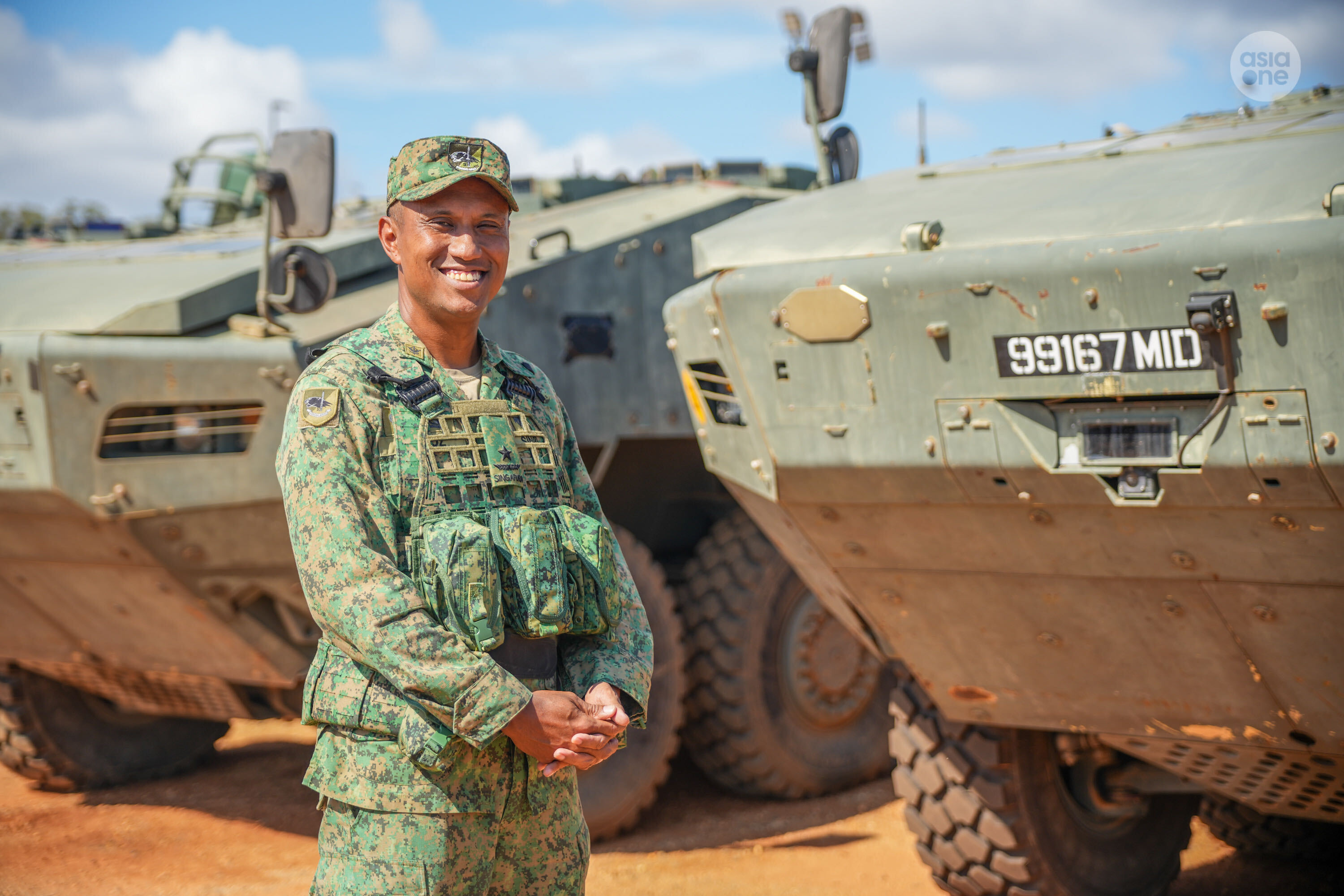
"Our soldiers will always be the most important asset that we have," said Brigadier-General (BG) Fairoz Bin Hassan, Chief Infantry Officer and Commander of the 9th Singapore Division, during an interview on Monday (Oct 26) at Exercise Wallaby in Queensland, Australia.
"Every change we make is not only to increase the chances of mission success, but also the survivability of every soldier," he added.
The NGIB is built around three principles: Fighting smarter, integrating better and remaining future-ready.
It combines changes to how soldiers are organised and deployed with technologies that allow them to work more closely with other Army and Singapore Armed Forces (SAF) assets.
Machine-first approach to reduce risks to soldiers
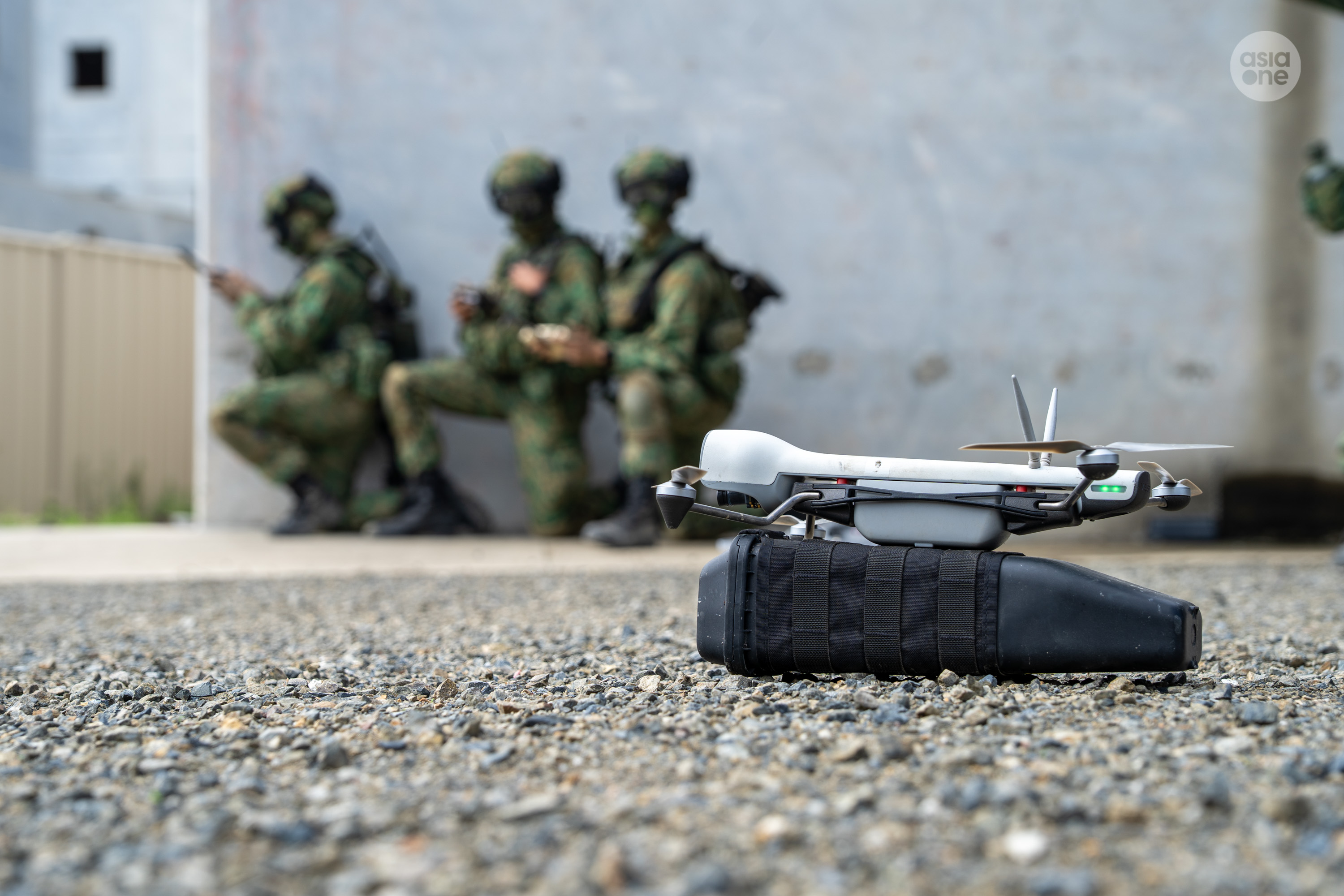
A key change under the NGIB is the greater use of man-unmanned teams, with drones and other unmanned platforms taking on tasks that could otherwise expose soldiers to danger.
"The logic is always machine-first," BG Fairoz said, explaining that unmanned systems could be deployed for reconnaissance and strike missions in high-risk environments instead of sending soldiers directly into danger.
He added that drones allow infantry to see and strike targets at greater distances, expanding the capabilities of a force that previously relied more heavily on what soldiers could see and engage directly.
The NGIB is also intended to give commanders greater flexibility in deploying troops, rather than simply reducing the number of soldiers needed.
"What matters is not about fighting with fewer soldiers or more soldiers. What matters is the capability that we can bring to bear," BG Fairoz added.
More flexible force structure, with drones supporting operations
Under the NGIB, each rifle company will comprise five platoons, each with two six-man sections, giving commanders a total of 10 rifle sections.
This replaces the previous structure of three platoons, each comprising three seven-man sections.
The redesigned structure allows commanders to organise their forces according to the mission.
Different platoons can simultaneously assault an objective, secure a road or hold a key junction, while others remain in reserve.
Each company will also have two dedicated Steel Net sections – a team dedicated to operate unmanned systems, including surveillance and attack drones.
They specialise in using these systems to support infantry operations.
The NGIB will progressively incorporate new capabilities and weapons to improve sensing, protection and firepower, including a new light machine gun and the Next-Generation Infantry Fighting Vehicle.

Lieutenant Colonel Shahreel Rajaratnam, Commanding Officer of the 5th Battalion, Singapore Infantry Regiment (5 SIR), described the NGIB as a "Swiss Army knife" that gives commanders a range of tools to draw on depending on operational requirements.
"Depending on what the mission entails, we are able to leverage that technology in putting a machine-first approach in all that we do, thereby keeping our soldiers safe and sending the machines first in anything that is dangerous or onerous," he said.
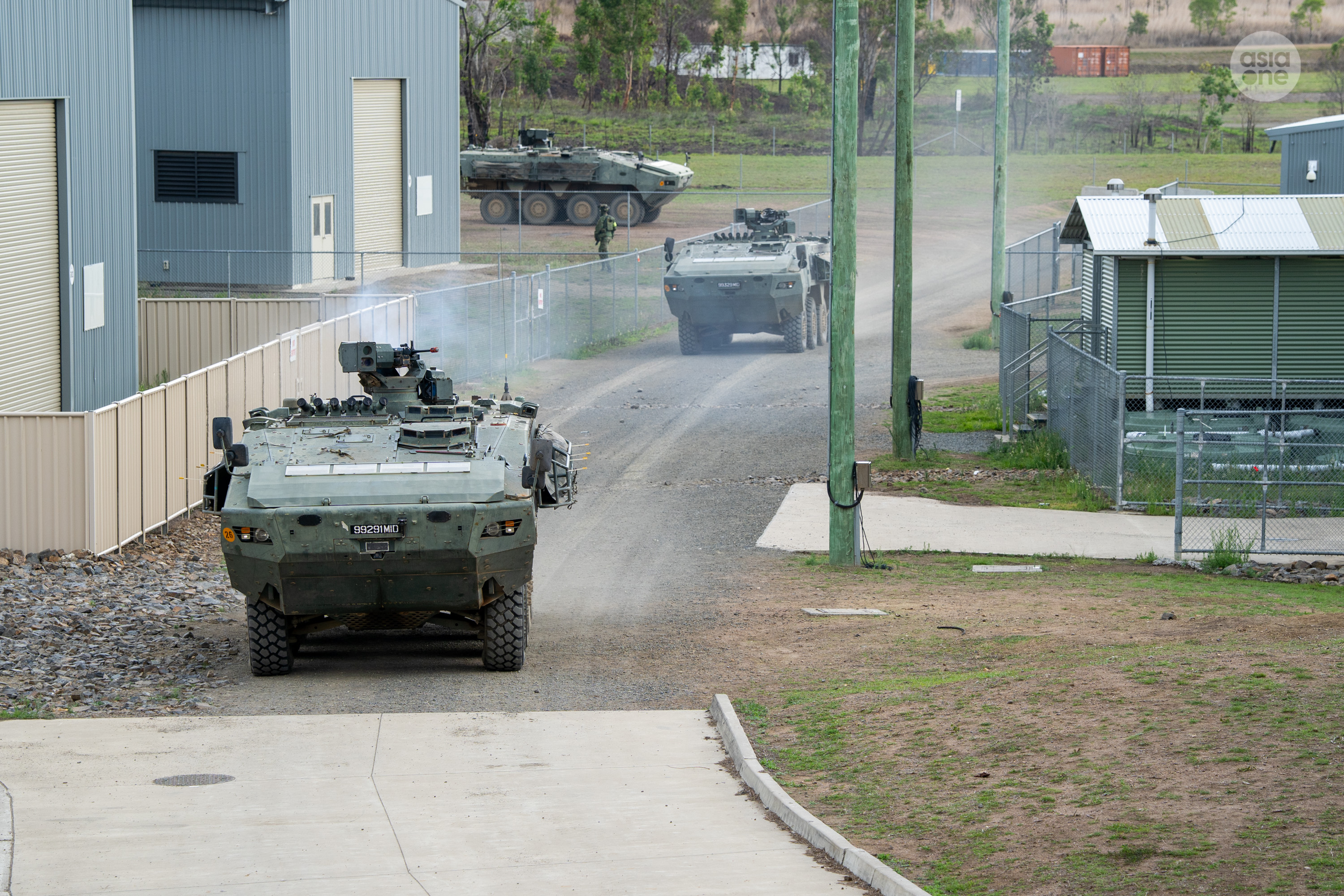
The battalion also draws on capabilities such as its Terrex infantry carrier vehicles, which provide additional firepower, mobility, protection and connectivity.
Soldiers remain an integral asset
Beyond changes to its force structure, the NGIB aims to strengthen coordination between infantry units and the wider Army and SAF.
Infantry units will be able to draw on capabilities from other formations, including armour, combat engineers, intelligence and fire support, as well as air support.
The NGIB will continue to evolve as the Army tests new technologies and refines its fighting concepts, rather than follow a fixed implementation timeline.
Despite the growing role of technology, BG Fairoz stressed that soldiers must continue to master fundamental skills, including marksmanship, individual fieldcraft and physical fitness.
"No matter how much technology you put in, no matter how much you change a battlefield, at the centre of it, some things don't change," he said.
[[nid:748775]]
asyiqin.nadzri@asiaone.com