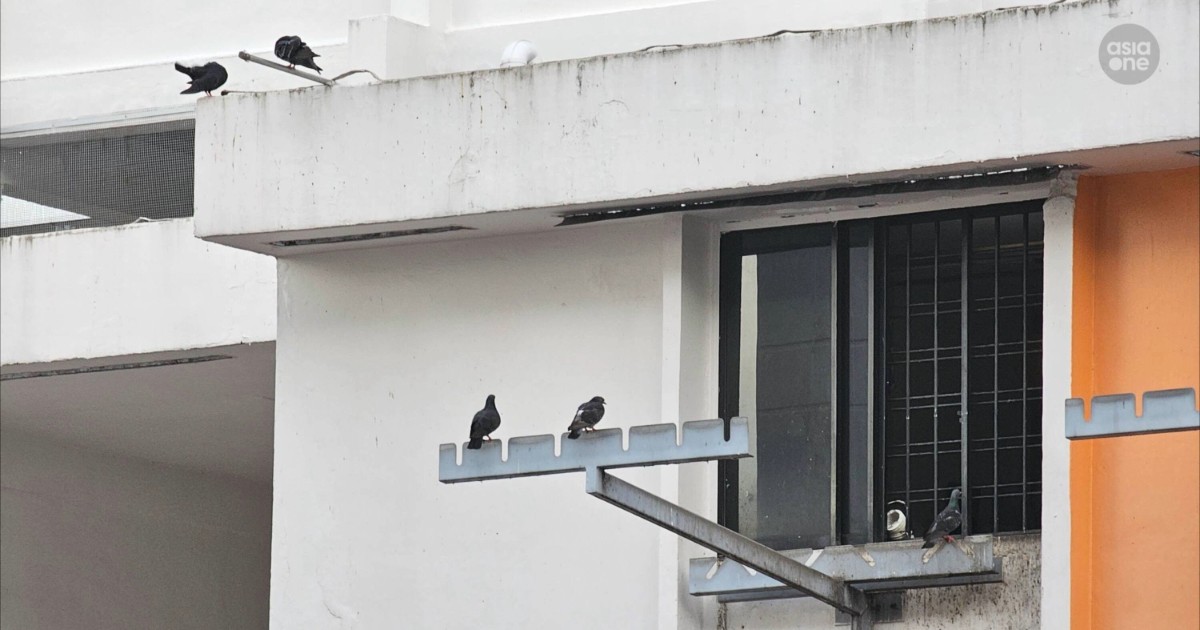
Residents of a Housing and Development Board (HDB) block in Serangoon have allegedly resorted to keeping their windows closed and not hanging out their laundry due to a neighbour feeding pigeons over the past eight years.
A video posted on Instagram by a 46-year-old resident surnamed Chia shows a flock of pigeons outside a high-floor unit at Block 302 Serangoon Avenue 2.
The birds could be seen resting on the block's rooftop, the unit's clothes drying rack, and even on its window grills.
"There is an entire column of units that couldn't put out their laundry, or even keep their kitchen windows open," Chia wrote in his post, adding that some neighbours said the issue had been ongoing for the past eight years.
According to the 46-year-old, an elderly female occupier of the said unit has been attracting pigeons with her feed.
"(It's) raining bird shit on everything below," he added.
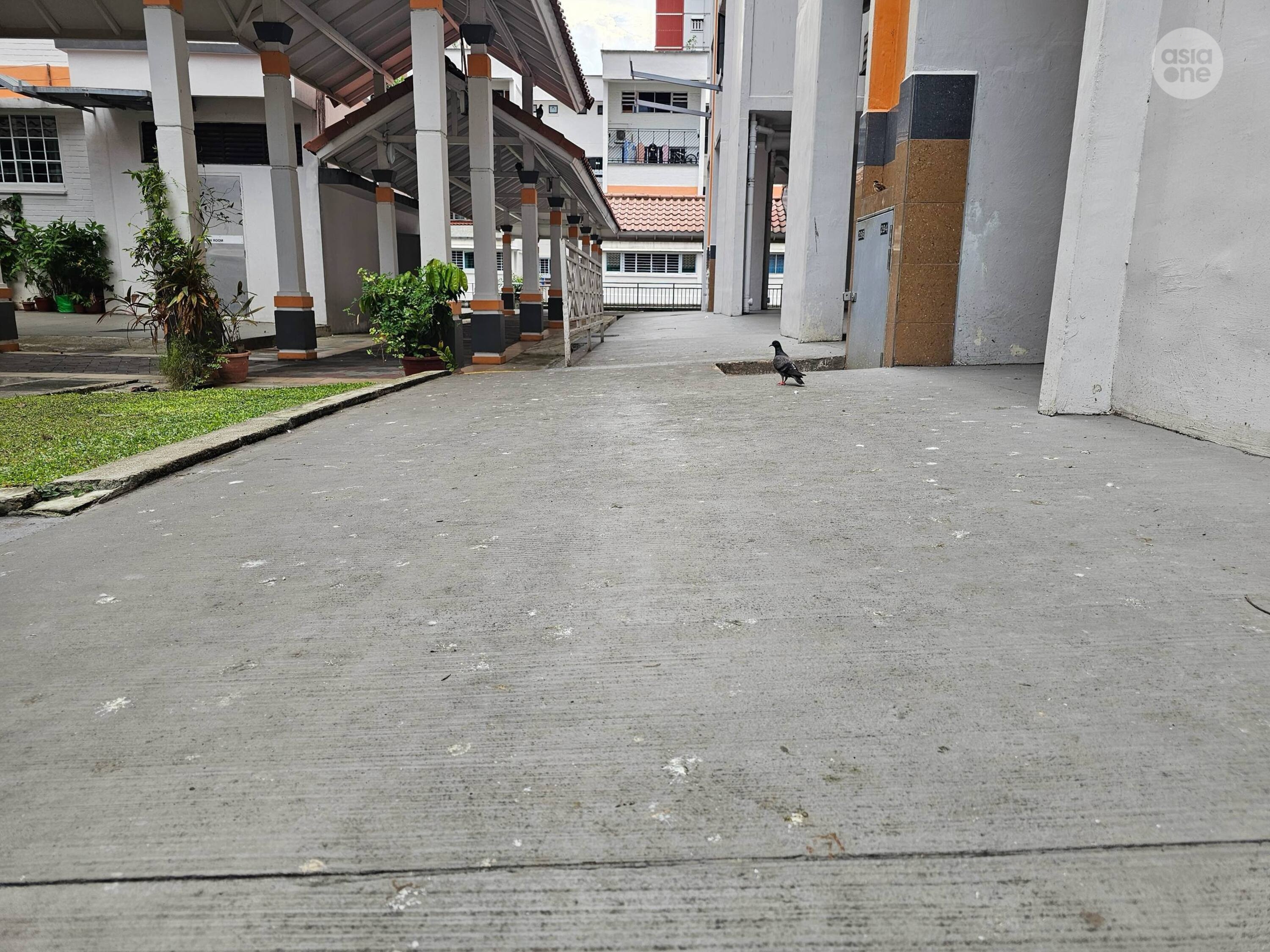
The video also shows significant bird droppings on the facade wall, clothes drying rack of a lower floor unit, and on the ground floor.
CCTV removed, pigeon problem returns
Chia clarified in response to another user's comment the National Environment Agency (NEA) had installed a surveillance camera at the opposite block, facing the said unit.
He noted that the situation eased during that time, but returned once the closed circuit television (CCTV) was removed.
Responding to Chia's post, Instagram user Lim Su Rong said that the issue is common in HDB estates across Singapore.
"No matter how many times we've given feedback, its of no use. NEA/Town Council can install cameras to monitor, but after some time, they (bird feeders) will still continue. And neighbours will suffer."
Another Instagram user Christine said: "Cannot imagine such neighbours living on the top floor and can't hang out my laundry at all."
Speaking to AsiaOne on Sunday (May 10), Chia said he does not live in the same stack of flats but has been affected by the issue since he moved there two years ago.
"Our neighbours told us that this issue has been going on for close to eight years," he added.
Chia also shared that he has reported the issue on the One Service app and received a response on May 4 that the authorities are monitoring the area for signs of feeding activities as part of ongoing investigations..
How Choon Beng, group director for wildlife management at the National Parks Board told AsiaOne that it is aware of the pigeon feeding activities and has been working with Marine Parade-Braddell Heights Town Council to manage pest bird populations and advice residents against the feeding of birds, while sharing the implications of these actions on public hygiene and health.
Rock pigeons are a non-native species in Singapore and their flocking and roosting behaviour can result in soiling and hygiene issues. To safeguard public health and minimise disamenities, agencies and town councils take a science- and community-based approach to managing pigeon population, including food source reduction, habitat modification, and population control, How said.
A Town Council spokesperson told AsiaOne that they have stepped up ad-hoc cleaning in the affected common areas and intensified pigeon management efforts — working closely with the agencies.
The spokesperson added that the Town council had previously issued advisories and worked with the relevant agencies to educate the feeder on the impact of pigeon feeding and to discourage the practice.
Wildlife feeders to face stiffer penalties
Parliament on May 7, passed amendments to the Wildlife Act, with those found illegally feeding wildlife, including those who feed birds, set to face increased fines and potential imprisonment.
The stiffer penalties come amid increased incidents of illegal wildlife feeding and aim to strengthen deterrence, said Senior Parliamentary Secretary for National Development Dr Syed Harun Alhabsyi.
According to data from NParks, the number of cases where enforcement action was taken against illegal wildlife feeding has almost doubled — from close to 150 cases in 2021 to over 380 cases in 2025, with the majority involving pigeon feeding.
Persistent wildlife feeding in Singapore particularly involves invasive pest bird species like rock pigeons and house crows, which results in public disamenities and risks to public hygiene.
First-time offenders will now face fines of up to $10,000, while repeat offenders will face maximum fines of $20,000, a jail term of up to 12 months, or both.
[[nid:735296]]
editor@asiaone.com