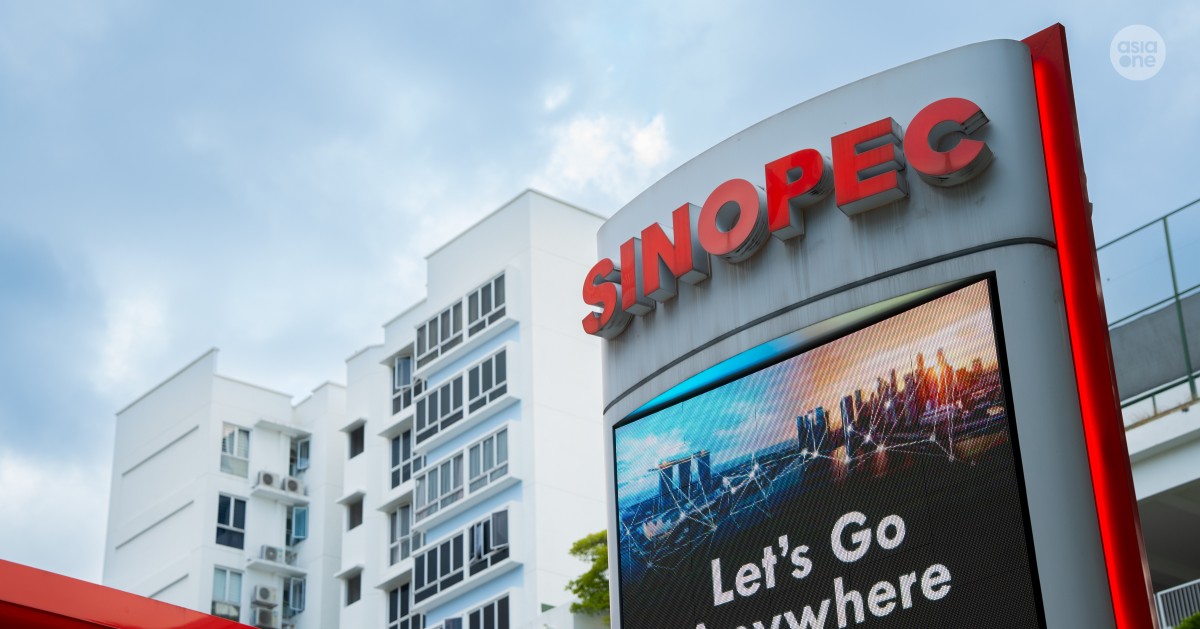
Diesel price hikes continued on Tuesday (March 31) with both Sinopec and Shell raising their respective posted price.
China-headquartered oil and chemical company Sinopec caught up with the preceding hike — Shell by 20 cents over the weekend, and Caltex, Esso and SPC on Monday — raising its diesel price by 21 cents in the morning, to $3.93.
Meanwhile, Shell raised its diesel price again by 10 cents, announced in a price board update published at 5pm.
Both companies kept their respective petrol prices unchanged.
Diesel prices here first started to surpass the price of 95-octane petrol on March 12 with Caltex and Shell raising their respective posted price for diesel to $3.38.
On that day, the price of 95-octane petrol was recorded at $3.35 at both fuel companies.
Following the latest round of diesel hike by Shell and Sinopec, the price of diesel now ranges from $3.92 at SPC to $4.23 at Shell.
| Company / Fuel | 92-octane | 95-octane | 98-octane | Premium | Diesel |
| Caltex | $3.38 | $3.42 | Not available | $4.11 | $4.13 |
| Esso | $3.38 | $3.42 | $3.92 | Not available | $4.13 |
| Shell* | Not available | $3.40 | $3.92 | $4.14 | $4.23* |
| Sinopec* | Not available | $3.42 | $3.92 | $4.05 | $3.93* |
| SPC | $3.38 | $3.41 | $3.92 | Not available | $3.92 |
Prices are correct as at 10.30pm on March 31. All prices are before discounts. *Indicates change to posted price(s) on March 31. |
Small diesel vehicle population but significant impact
Even though diesel-only vehicles are only 15.6 per cent of the total vehicle population in Singapore, they form 85 per cent of goods vehicles here.
These vehicles are used heavily in logistics — ranging from delivery of parcels to the daily resupply of ingredients at food stalls, and the transportation of materials and supply for the construction, manufacturing, and processing sectors.
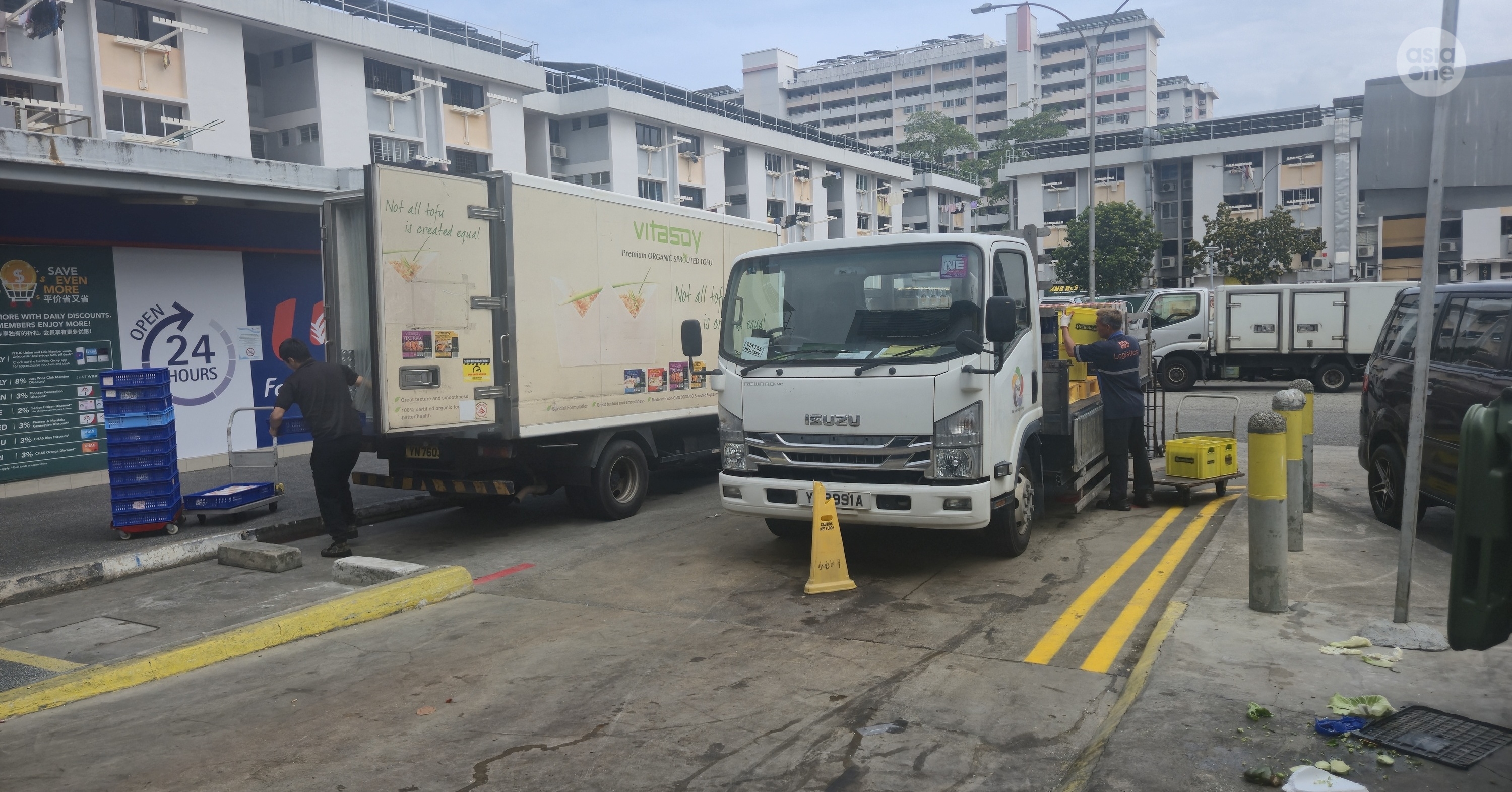
At some point the higher operating costs for transportation may be passed on by businesses to consumers, driving up the costs of food and goods.
But some may not be able to do so due to contractual reasons.
Small and medium enterprises, accounting for 99 per cent of businesses in Singapore and hiring about 70 per cent of the workforce, will therefore see sustained increases in their operating costs which will in turn impact their profit margins and sustainability.
On social media, users have increasingly been reacting to reports of diesel price hikes with concern, even though most say they do not drive or own a diesel-only vehicle.
Reacting to Shell's increase on Sunday, Nicholas Neo wrote: "When diesel (price) is affected, non-diesel vehicle drivers/car owners will be affected big time too. The commercial vans and lorries are the ones delivering your packages, groceries and foods."
His views were echoed by user Gino Goh who wrote: "Our essential items are all delivered by big lorries using diesel. So, all our food, vegetable, drinks prices will definitely increase in time to come."
"The government can consider giving business owners with diesel vehicles a one-time road tax rebate this year?" asked user James Tan, though others have quickly pointed out that taxpayers will be the ones footing the bill for any form of subsidy or rebate.
The issue is expected to be discussed at the next Parliament sitting on April 7.
Oil prices up
Brent crude, the international standard, was priced at nearly US$113 at the time of this article's publication.
It is expected to trend upwards later in the day as US President Donald Trump threatens to "obliterate" Iran energy and oil plants amidst reports that a Kuwait-flagged oil tanker was hit by an Iranian strike.
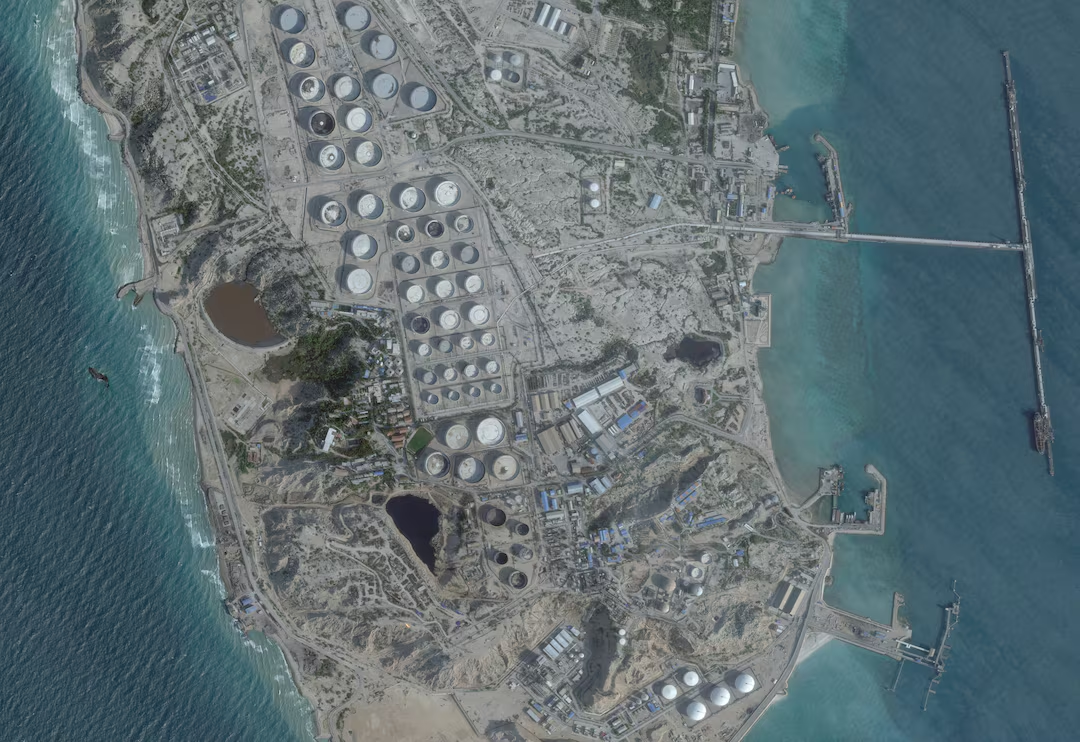
This latest development comes as Trump openly mused about seizing Iran's Kharg Island oil terminal on Monday.
Meanwhile, thousands of US Army paratroopers have arrived in the Middle East as a build-up intensifies.
[[nid:732608]]
editor@asiaone.com
No part of this article can be reproduced without the permission of AsiaOne.