

US will uphold tariff caps in deals with EU, Japan and others, Trump's trade chief says
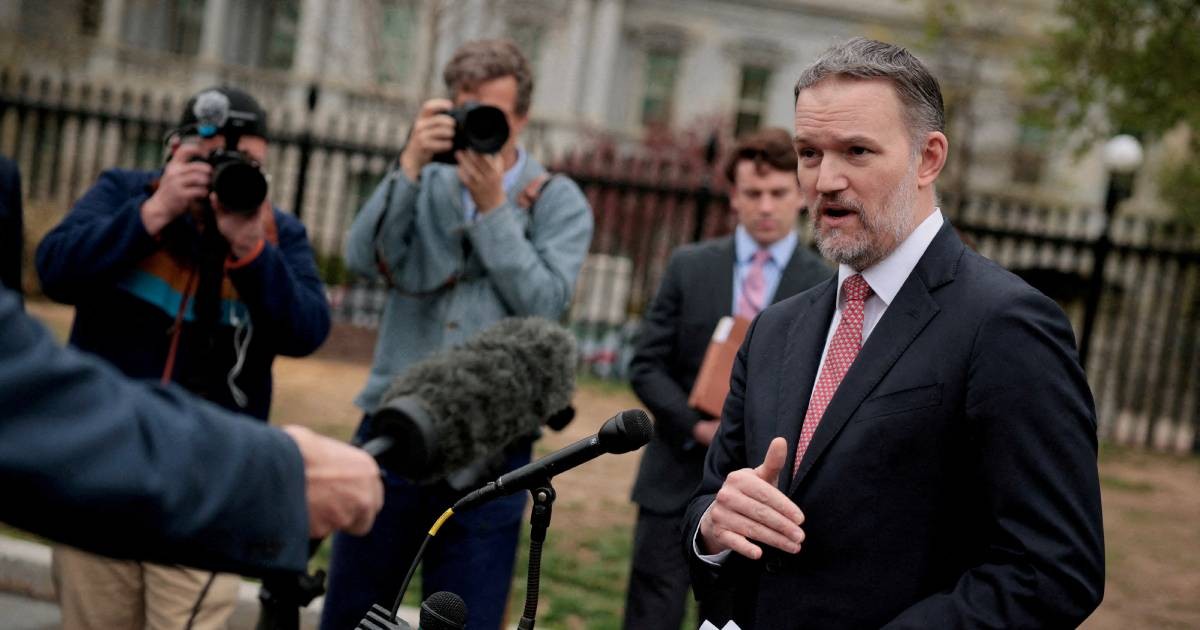
US Trade Representative Jamieson Greer speaks with reporters at the White House in Washington, DC, US on April 2.
PHOTO: Reuters file

PARIS — The US will respect tariff caps in trade deals struck with the EU, Japan and other countries, and planned US tariffs over forced labour provide the legal basis to do so, US Trade Representative Jamieson Greer said on Thursday (June 4).
"We understand that a deal is a deal," Greer told reporters on the sidelines of an Organisation for Economic Co-operation and Development (OECD) ministerial meeting in Paris.
Washington has struck deals with Brussels and Tokyo that limit US tariffs on most EU or Japanese imports to a maximum of 15 per cent.
However, Greer's office on Tuesday unveiled a new set of tariffs on 60 countries after asserting that they had failed to curb trade in goods made with forced labour in an unfair trade practices investigation under Section 301 of the Trade Act of 1974.
He said the findings of a second Section 301 probe into structural excess manufacturing capacity in 16 of the largest US trading partners, including China, the EU and Japan, would be released in the coming weeks.
Tariffs resulting from that probe could push US tariffs on EU and Japanese goods well past 15 per cent unless capped by the previously agreed trade deals.
Regarding the EU trade deal, Greer said the agreement acknowledged that the US could impose tariffs "up to a certain level" and that the Section 301 investigation findings give US President Donald Trump the authority to do so.
EU Trade Commissioner Maros Sefcovic, who spoke with Greer at the OECD meeting, said both sides agreed that "the deal is the deal", which meant for the European side the terms agreed at Turnberry with an all-inclusive 15 per cent tariff.
Sefcovic said EU countries had been surprised to find themselves targeted by tariffs over forced labour on account of their high labour standards, but he expected the European Parliament to approve the Turnberry deal with the Trump administration.
The EU is working to introduce a ban in December 2027 across the bloc on all products involving forced labour, irrespective of whether they originate in the EU or in a third country, he said.
[[nid:737283]]