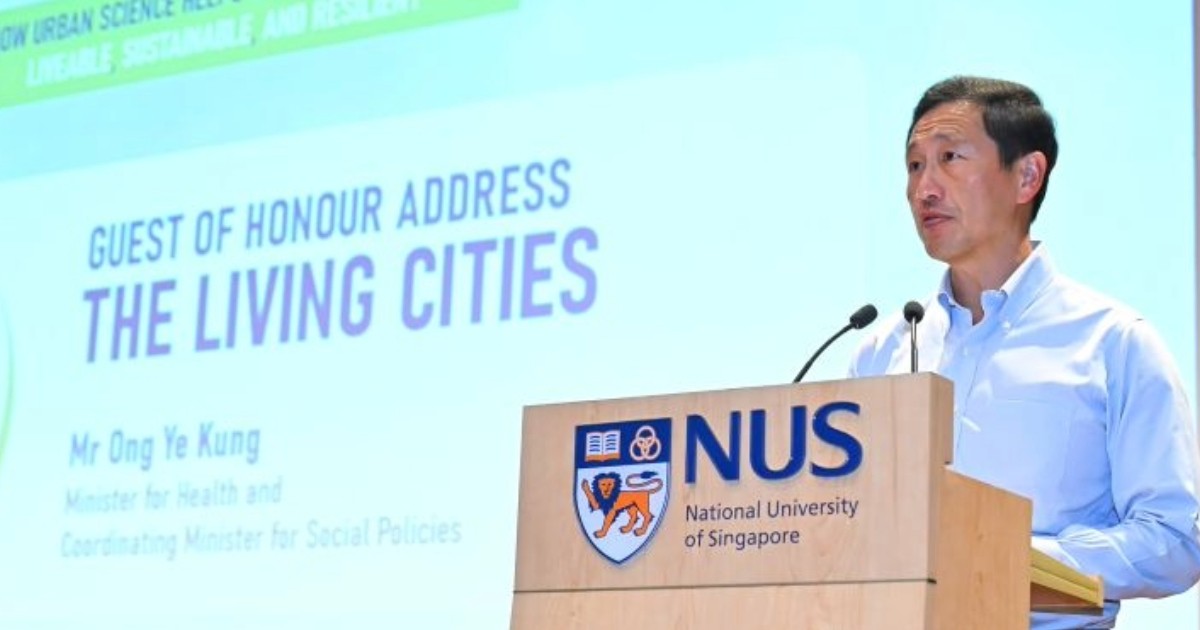
Every city houses a complex society — individuals with their dreams and aspirations, families with their hopes and fears, communities with their own identities and pride — all co-existing in a dynamic and even messy way, said Health Minister Ong Ye Kung on Wednesday (Sept 3).
Ong, who is also Coordinating Minister for Social Polices, was speaking at the 3rd NUS Cities Symposium, where he addressed how cities are living entities which undergo natural cycles, thereby requiring efforts to be invested to "rehabilitate, nurture, strengthen and rejuvenate themselves".
Citing Singapore's addition as a Blue Zone in September 2023, Ong said that he was "not sure Singapore deserved to be one".
A Blue Zone is an area where more people live to be centenarians. The first five of such zones identified were Nicoya in Costa Rica, Ikaria in Greece, Sardinia in Italy, Okinawa in Japan, and Loma Linda in the US.
Recounting a conversation with Dr Michel Poulain, one of three founders of Blue Zones, Ong shared an insight.
He said: "We observed that the original Blue Zones were grappling with modernisation, and their traditionally healthy lifestyles were at risk of being eroded.
"On the other hand, Singapore had already faced these urban challenges, such as processed food, sedentary lifestyles and population, but we were actively forging a new path towards being a healthy city."
Cities are living entities, need to evolve
He used the examples of cities such as New York and Singapore, which had evolved over time, moving from their original purposes of agriculture, defence, trade, or even independence.
"Expectations on what a city can offer has changed. It is no longer just brick and mortar and a safe place to live in. As it develops and becomes connected to the world, and the population has sophisticated tastes.
"They want modern lifestyles in leisure, entertainment and the arts," said Ong.
The minister said modern challenges such as ageing and culturally diverse populations, and warming temperatures, necessitate urban scientists to work with community groups, policymakers, planners, designers and architects to prepare for the future.
Ong explained that Singapore has factored resilience, sustainability and health in developing the country for the future.
He said the expanded Park Connector Networks encourage Singaporeans to stay active, while an expanded network of Active Ageing Centres help to promote socialising and volunteerism among seniors.

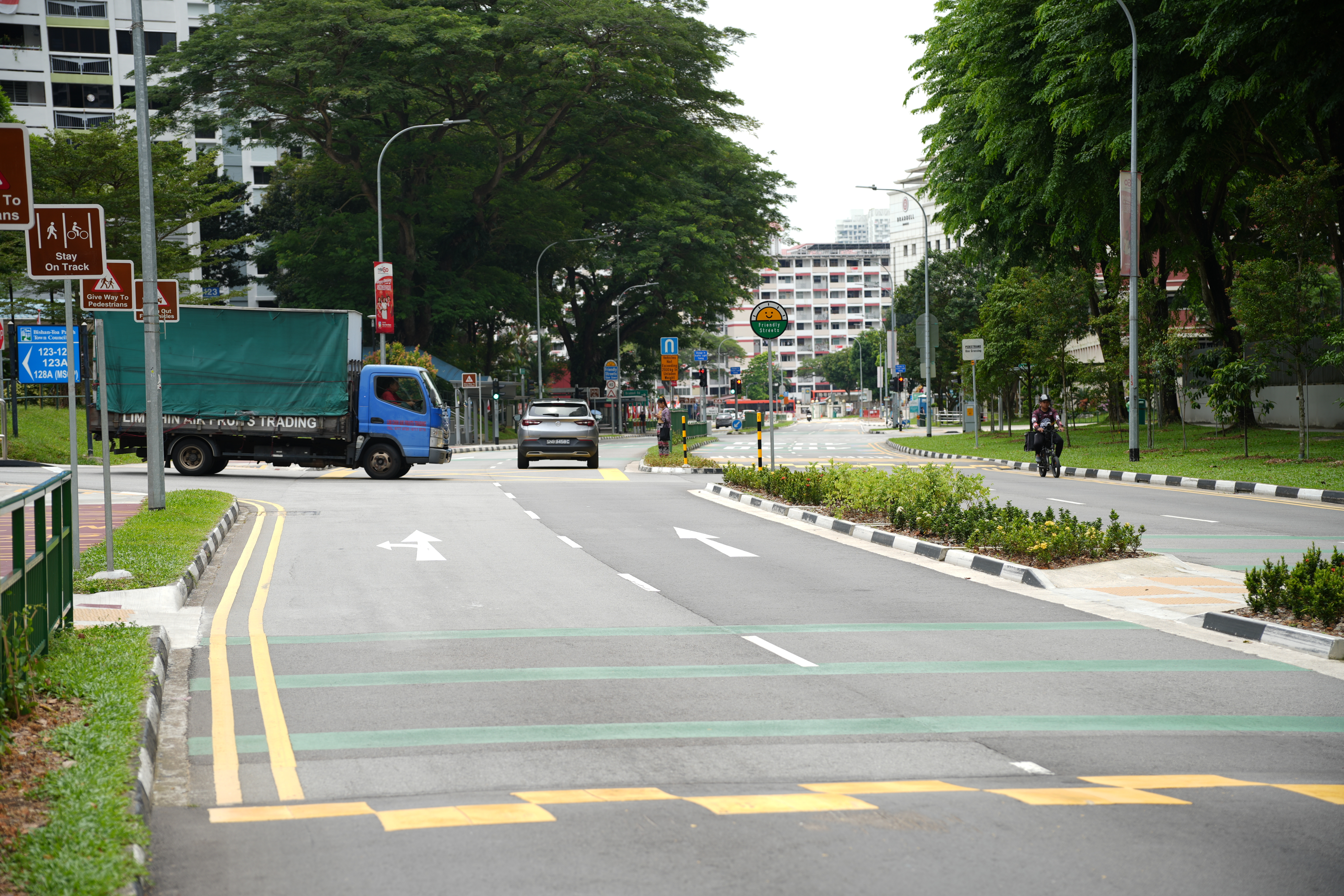
Ong added that land-scarce Singapore introduced physical environment improvements such as barrier-free access and Friendly Streets helped transform existing housing estates into suitable 'retirement villages' for seniors to age well in.
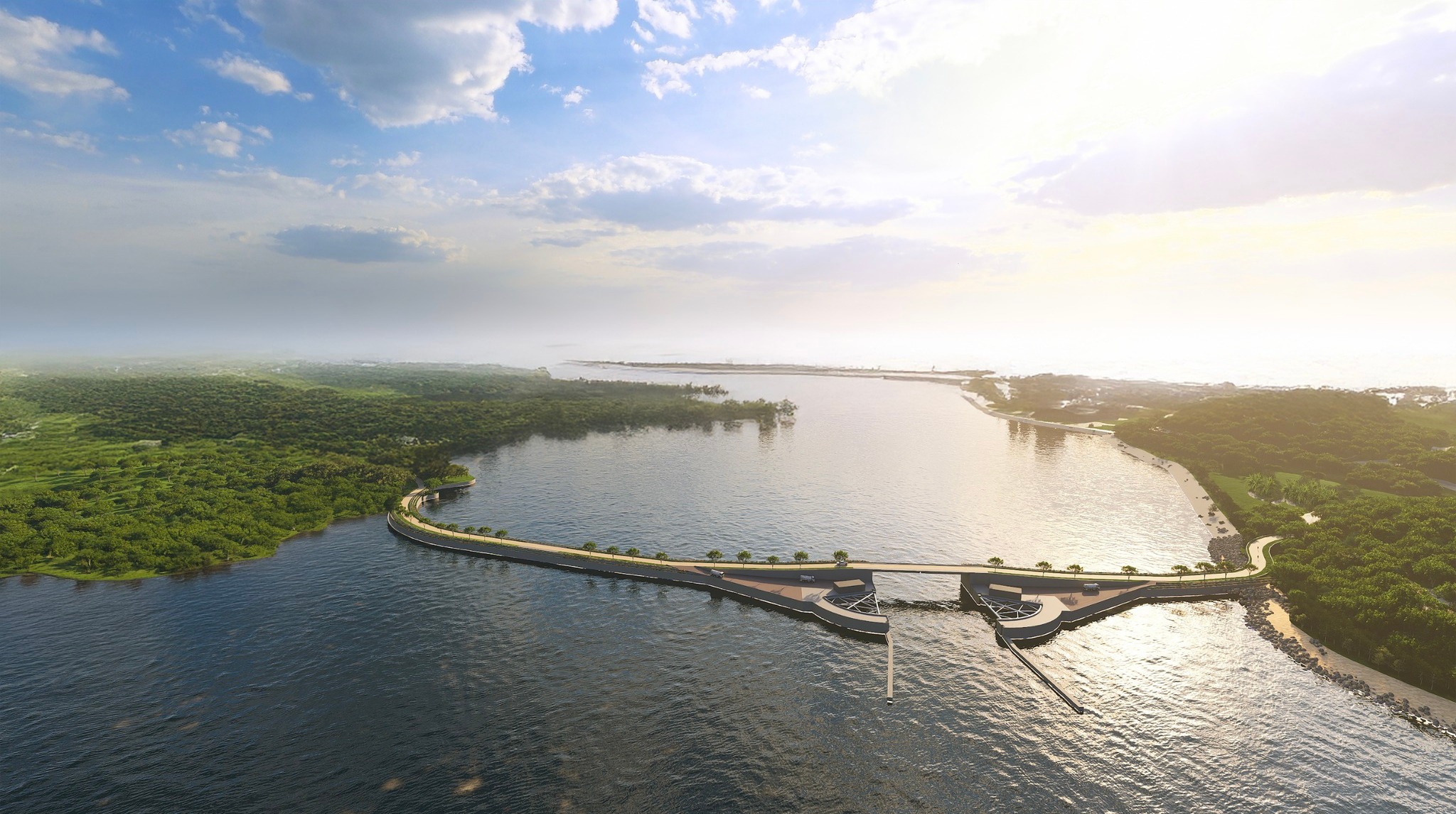
Then, there are longer-term measures such as coastal and flood protection plans which help Singapore defend against rising sea levels, while creating new spaces for communities and people to use for recreational needs.
Policies grounded in science
In his closing remarks at the symposium, Ong spoke about the importance of urban science to understand how people's lives are affected so that cities can evolve, in anticipation of future needs.
"This no longer applies just for security or economic survival and gain, but also for our continued flourishing — to build health, resilience, sustainability, and cohesion for all who call the city home."
He also highlighted Singapore's advantage in being able to plan for the long-term.
"So, having urban scientists is not enough. You need to work with a Government that is prepared to implement bold measures that are long-term.
"In most other countries, there is a central government, and cities are run by mayors. In Singapore, we have one level of government, the city is the government. The mayor is the Prime Minister.
"That gives us this extra advantage, which is why we can plan long-term and we can work with urban scientists to continue to evolve Singapore for the future."
[[nid:719436]]
editor@asiaone.com