SINGAPORE, JOHOR BAHRU — The Johor Bahru-Singapore Rapid Transit System (RTS) Link is expected to begin passenger service in February 2027.
RTS Operations Pte Ltd (RTSO), the joint venture company operating the cross-border rail link, said on Friday (Oct 2) that all system tests and trial runs are expected to be completed by Dec 31, 2026.
Taking into account the expected duration of the remaining works, as well as the time required for third-party safety certification and approvals from both grantors, passenger service is currently expected to commence in February 2027, RTSO said.
"Our goal is to provide a safe and reliable service on the RTS link," the operator announced in a press release.
The announcement comes as the RTS Link enters its final testing and commissioning phase, which is required before the system can be declared operational.
The project had previously been targeted to begin passenger service in early 2027.
The cross-border system — first announced in 2010 — is a 4km shuttle service that connects Bukit Chagar in Johor Bahru (JB) to Woodlands North in Singapore.
RTSO is a joint venture between Singapore's SMRT Corporation and Malaysia's state-owned transport operator Prasarana Malaysia Bhd.
Works still ongoing
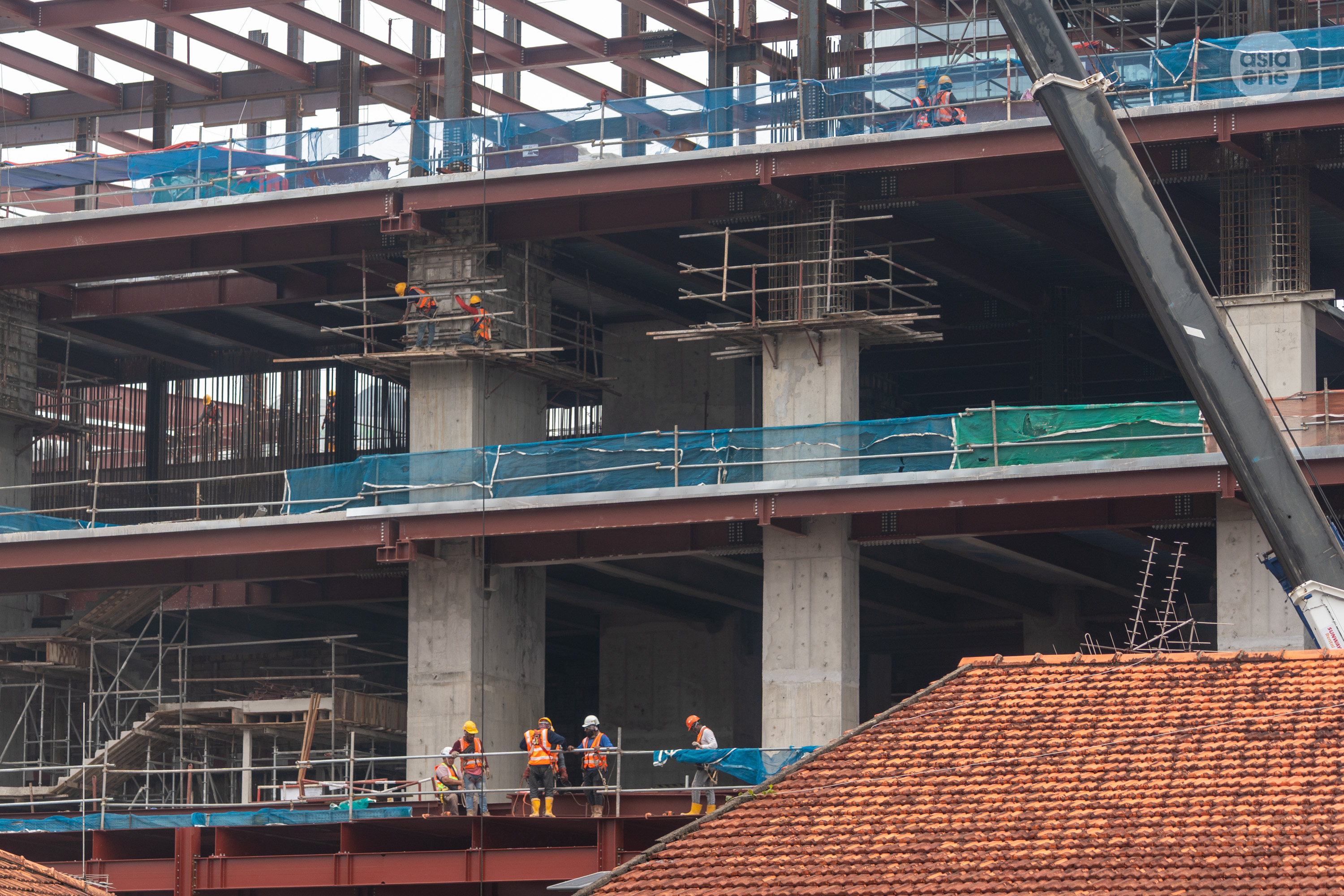
During an AsiaOne site visit to the RTS Link project in Johor Bahru on Sept 28, construction and installation works were still ongoing at several parts of the development.
Several areas appeared incomplete then, with scaffolding still visible around parts of the worksite while workers continued construction and installation activities.
This comes as the project enters its final testing and commissioning phase.
LTA had said earlier in September that the Woodlands North Station on the Singapore side had been completed.
The station's ticketing concourse, immigration facilities and platforms are in place, with its Temporary Occupation Permit obtained within the stipulated timeline.
However, the wider RTS Link project involves more than the station itself, including the rail systems, signalling, communications, trains and cross-border integration between the Singapore and Malaysia sides.
Testing before passenger service
The RTS Link's rail systems must also undergo testing and commissioning before passenger service can begin.
These includes integration and dynamic testing of the trains and various railway systems, including signalling, platform screen doors and onboard communications.
The first RTS Link train arrived at Woodlands North Station in February this year, after being put through system integration testing at the Singapore Rail Test Centre.
Its arrival demonstrated that Singapore's RTS Link infrastructure had been completed to the specifications needed to support operational testing.
The system is designed to support a peak capacity of up to 10,000 passengers per hour in each direction, with the journey between Woodlands North and Bukit Chagar expected to take about five minutes.
The shuttle between the two stations will operate at a maximum speed of 80kmh.
Expected gains from RTS Link
A study commissioned by the Singapore Business Federation, Restaurant Association of Singapore and Singapore Retailers Association in March this year had projected that Singaporeans will spend an additional $1.05 billion annually on retail and F&B purchases in JB once the RTS Link opens.
At the same time, local businesses stand to gain an estimated $756 million annually from JB visitors, resulting in an additional net annual spending outflow of about $290 million — 0.4 per cent of Singapore's total retail and F&B sales in 2025.
Fares for RTS Link are expected to be priced around $5 to $7 per trip, said Malaysia's Transport Minister Anthony Loke in February.
AsiaOne spoke to the owner of J.B. Breakfast and Toast Cafe, which opened in July this year, in a largely residential neighbourhood in Johor Bahru near the future RTS Link.
He said the cafe currently attracts mostly Malaysian residents living in the area. They also see some Singaporean customers due to its proximity to the Johor Bahru CIQ complex.
"It will be better once the RTS Link is up," he told AsiaOne, adding that his 15 staff and manager are already prepared to handle more customers.
[[nid:744392]]
asyiqin.nadzri@asiaone.com



